Choosing the right Kindergarten or Preschool Program for your child is an important decision, especially when balancing work; family life; and preparing your child for formalised schooling; all need to be considered. That’s why our Kindergarten and Preschool Programs are thoughtfully designed and led by Bachelor degree-qualified Teachers, to deliver educational excellence and a school readiness program - all with the convenience of long day care hours.
Led by university-qualified Early Childhood Teachers and guided by the approved Early Years Learning Framework (EYLF), our programs provide children with strong foundations for school and lifelong learning, all within a nurturing early education environment.
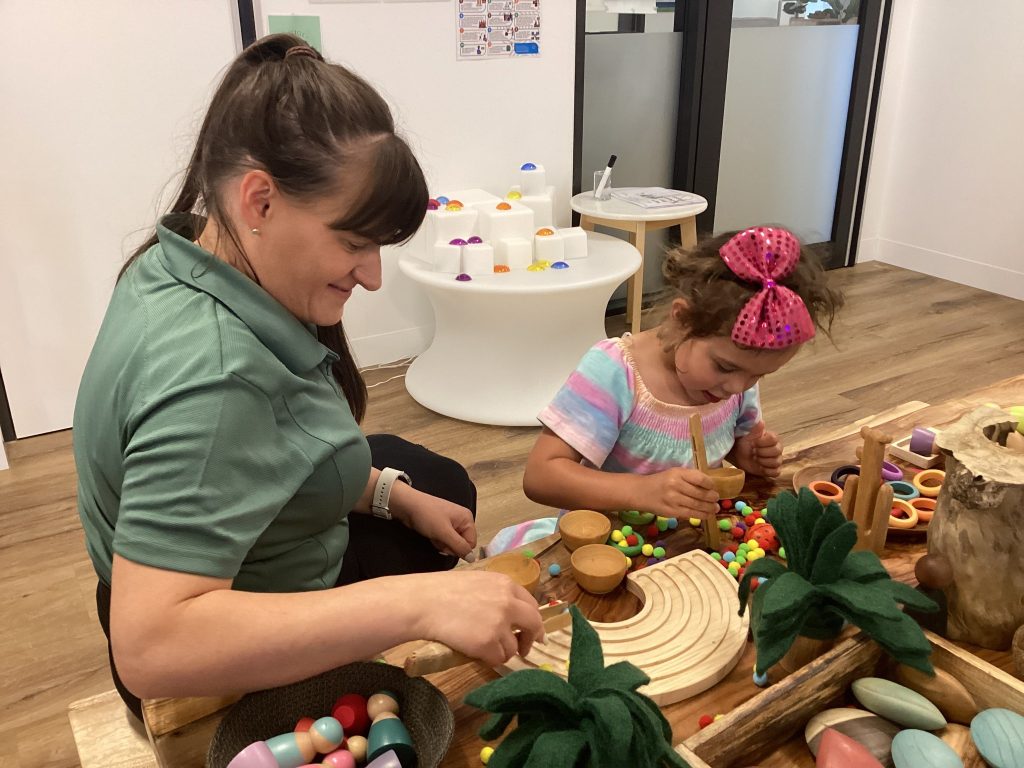
Why Choose Grow Early Education's Kindergarten or Preschool Program?
At Grow Early Education, our Kindergarten and Preschool Programs are designed to support busy families while still delivering a high-quality, government-approved early learning curriculum.
Here’s how Grow Early Education's Kindergarten or Preschool Program can be the perfect fit for your family:
- Long hours for working families: Enjoy extended care from early mornings to late afternoon, perfect for working parents or those with full schedules.
- 'Free' kindergarten or fee relief for Preschool for eligible children: Take advantage of Government funding, which means eligible children can attend 'Free' Kindergarten in Victoria and Queensland or receive fee relief for our Preschool Programs in New South Wales.

- Approved curriculum and added flexibility: Our program meets all of the educational requirements in a flexible, long day care environment. That means:
✅ flexibility for the number of hours and days you want your child to attend
✅ All-inclusive daily fees (meals, nappies, excursions, extra-curriculars, and access to our family communication app all in one fee)
✅ Year-round care, including school holidays
- A focus on key learning goals: We have been in consultation with local schools and they have guided us on the learning goals for children, that will assist them in their transition to formal school:
- Toileting – I can use the toilet and wash my hands by myself.
- Independence – I can open up my lunch box and fill up my own water bottle. I can dress and undress myself such as putting on my own shoes and hat.
- Emotional Skills – I can communicate my wants and needs.
- Name Writing & Recognition – I can recognise my name and attempt to write it.
- Cognitive Abilities – I can retell a story or event. I can solve problems on my own.
- Literacy & Numeracy Skills – I can recognise some letters and sounds. I can recognise some numbers. I can recognise some shapes.
- Social Skills Awareness – I can take turns with others. I can wait in line and follow instructions. I can ask and answer questions to take part in conversations.
- Fine Motor Skills – I can hold a pencil and crayon. I can cut and use scissors safely.
- Whole Body Listening – I can sit on the mat to participate in group time with my friends and teacher. I can actively take part in group learning.
- Formal discussions and transition statements: A formal discussion between parents and the teacher is held at the end of the year to support each child’s transition to school by collaboratively creating a transition statement. This strengths-based statement provides a snapshot of the child’s knowledge, skills, and dispositions across the five learning and development areas.
- School readiness initiatives to ease nerves: To help your child feel confident and excited about formalised school structures, we introduce regular school readiness initiatives. These could include fun and practical activities such as:
- Lunchbox days where children practice opening their own containers and eating from a packed lunch
- Uniform days where children wear their school uniforms, helping them prepare for daily routines and independence
- Visits to local schools across the year as part of your child’s transition to school process
- School-like routines such as sitting in group time, following simple instructions, and increasing independence with toileting and self-care
- Education-Focused: Children learn through play and structured learning activities in line with the Early Years Learning Framework (EYLF), led by qualified Early Childhood Teachers.
- Reduced transition stress: If your little one already attends one of our centres, our Kindergarten and Preschool Programs are delivered within the same nurturing environment your child already knows and loves. With consistent Educators, familiar routines, and strong peer relationships, children experience a smooth and secure learning journey. This continuity supports emotional well-being, builds confidence, and allows your child to fully engage in their day, without the added stress of adapting to multiple environments.
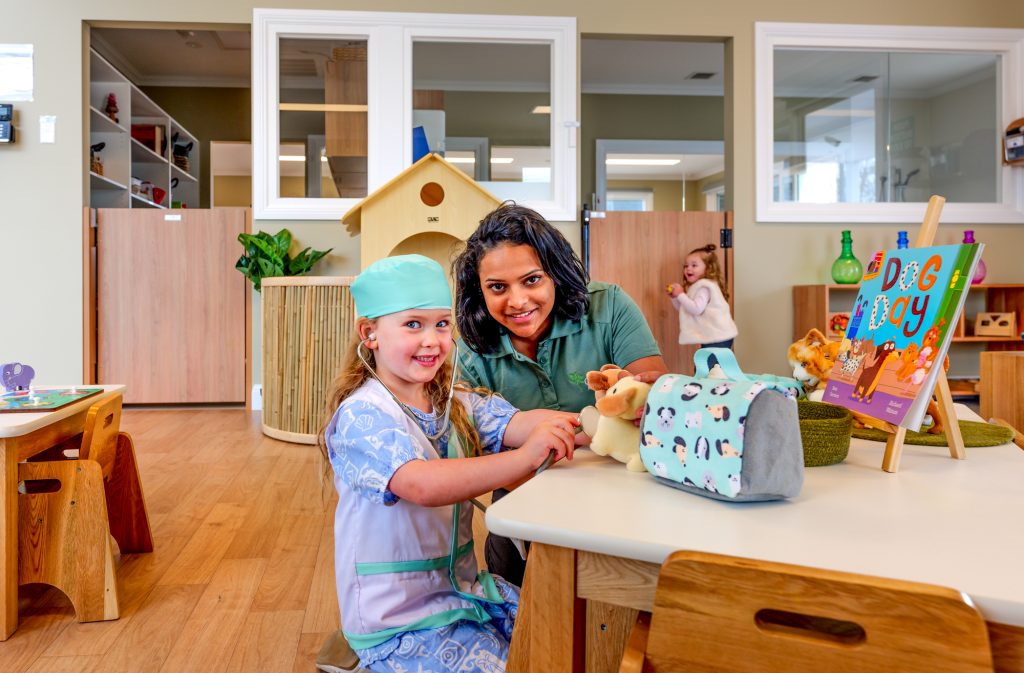
Planning ahead? We are now taking enquiries for our 2026 Kindergarten or Preschool Program. Register your interest today to secure your child’s place and give them a strong educational foundation.
Follow us on Facebook to stay up to date!
- Grow Early Education Bushland Beach
- Grow Early Education Bundaberg North
- Grow Early Education Darling Heights
- Grow Early Education Bridgeman Downs
- Grow Early Education Park Ridge
- Grow Early Education Toowoomba
- Grow Early Education Hervey Bay
- Grow Early Education Maroochydore
- Grow Early Education Dalby
- Grow Early Education Riverton
- Grow Early Education Gunnedah
- Grow Early Education Kelso
- Grow Early Education Nowra Central
- Grow Early Education Narre Warren North
- Grow Early Education Heathmont
- Grow Early Education Frankston
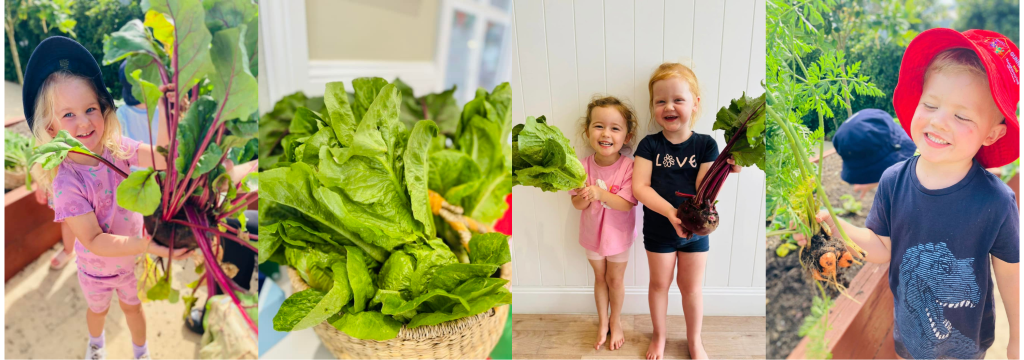
At Grow Early Education, we believe that learning goes far beyond the classroom, and one of the most powerful lessons begins right in the garden. As part of our all-inclusive childcare programs, gardening is a key component of our curriculum for children across all of our classrooms. Through our hands-on gardening lessons, children are learning valuable life lessons on curiosity, wellbeing, and healthy habits.
Gardening provides a wealth of benefits during the early learning years, from Toddlers exploring the textures in the soil to Kindergarten and Preschoolers nurturing growth from seeds through to harvest. This type of sensory-rich, outdoor activity supports holistic development across physical, cognitive, social, and emotional skillsets.
Here’s how gardening at our childcare centres helps young children thrive:
Physical Development
Digging, planting, watering, and harvesting help build fine and gross motor skills. Children develop strength, coordination, and dexterity while staying active and engaged outdoors.
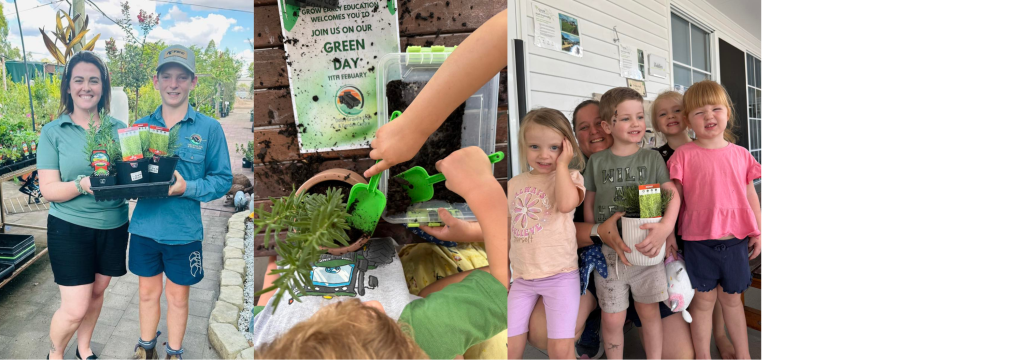
Cognitive Growth
Gardening teaches science in real-time. Children explore plant life cycles, weather patterns, and ecosystems, helping them understand the world around them. They also learn responsibility and patience as they care for their growing plants.
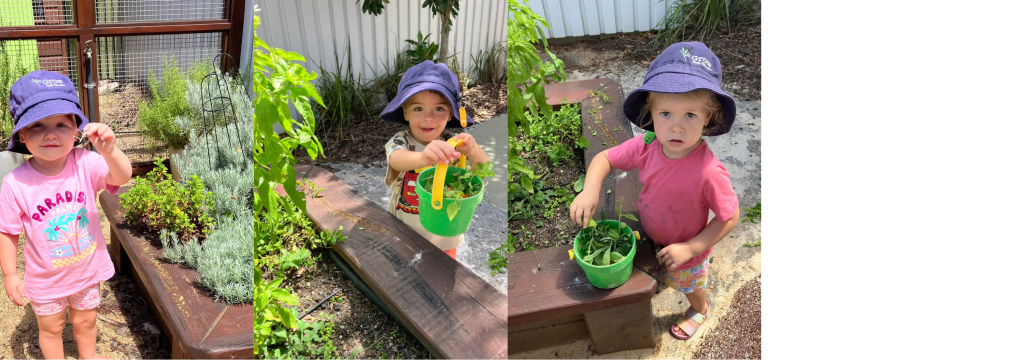
Emotional Wellbeing
Spending time in nature has been proven to reduce stress and increase calmness in children. Gardening builds self-esteem and pride, as children see the results of their efforts bloom and grow.
Social Skills
Whether they’re working in teams to tend to a veggie patch or taking turns with watering cans, gardening encourages cooperation, communication, and empathy.
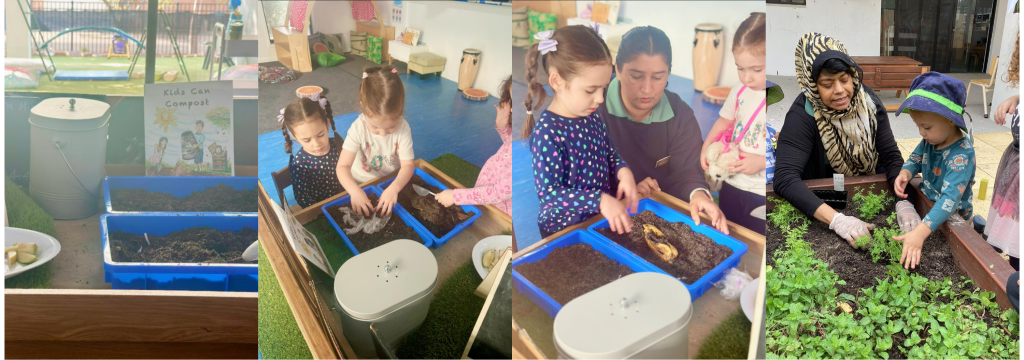
At Grow Early Education, we’re proud to offer gardening experiences at all of our daycare centres as part of our all-inclusive fee structure. That means families can enjoy the benefits of this enriching activity at no extra cost. Our outdoor learning environments are purposefully designed to include edible gardens, flower beds, and even worm farms, giving children a deeper connection to nature and sustainable living.
Our passionate Educators integrate gardening into our daily routines and learning programs, aligning with both the Early Years Learning Framework and the Abecedarian Approach Australia to nurture a love of the environment from an early age.
Whether it’s tasting and smelling the herbs they’ve grown or spotting the first sprout from a seed they planted, children at Grow Early Education are constantly discovering, experimenting, and learning. And as any gardener knows, those early roots make all the difference.
Stay up to date with our Grow Early Education centres on Facebook to see how they use gardening in their everyday curriculums.
- Grow Early Education Bushland Beach
- Grow Early Education Bundaberg North
- Grow Early Education Darling Heights
- Grow Early Education Bridgeman Downs
- Grow Early Education Park Ridge
- Grow Early Education Toowoomba
- Grow Early Education Hervey Bay
- Grow Early Education Maroochydore
- Grow Early Education Dalby
- Grow Early Education Riverton
- Grow Early Education Gunnedah
- Grow Early Education Kelso
- Grow Early Education Nowra Central
- Grow Early Education Narre Warren North
- Grow Early Education Heathmont
- Grow Early Education Frankston
Embarking on the journey of childcare can be both exciting and daunting for parents. As you prepare to transition your child into a childcare setting, it’s important to understand what to expect, how to choose the right service, and the myriad benefits that childcare offers for your child's development. This guide aims to simplify the process and provide essential insights.
What to Expect When Starting Childcare:
- Adjustment Period: The initial days of childcare can be an adjustment for both children and parents. It’s normal for children to experience separation anxiety or hesitation when entering a new environment. Expect some emotional responses, which may include tears or clinginess. With time, most children adapt well to their new routine. Bringing along a comfort item or family photo can assist with the transition. Informing the Educators about your child’s specific interests will help with this transition; this way, they can spark their interest and take this opportunity as a distraction technique.
- Daily Routine: Childcare centres typically have a structured daily schedule that includes activities such as playtime, meals, nap time, and educational sessions. Familiarising your child with this routine can help them feel more secure as they transition. For younger babies and infants, look for centres that cater to your child’s individual routine to minimise disruption between care environments.
- Communication with Caregivers: Regular communication with caregivers is essential. Most childcare centres provide daily reports or updates on your child’s activities, progress, and any concerns. This partnership between parents and caregivers helps ensure that your child's needs are met.
- Health and Safety Protocols: Quality childcare facilities prioritise health and safety. Expect thorough policies regarding hygiene, nutrition, and emergencies. Staff should be trained in first aid and child development, providing peace of mind for parents.

How to Choose the Right Childcare Service:
- Research Options: Start by researching different types of childcare services available in your area, such as daycare centres, family childcare homes, or preschools/kindergartens. Each option has its own advantages, so consider your child’s personality and your family’s needs.
- Visit Facilities: Schedule visits to potential childcare centres. Observe the environment, cleanliness, and safety measures. Pay attention to how Educators interact with the children, as this can reflect the level of care and attention your child will receive.
- Ask Questions: Prepare a list of questions to ask during your visits. Enquire about staff qualifications, child-to-caregiver ratios, daily routines, and how they handle discipline and conflict resolution. Understanding their approach to learning and development is crucial.
- Check References and Reviews: Seek recommendations from other parents and read online reviews. Feedback from other families can provide valuable insights into the quality of care and the experiences of children in that environment.
- Trust Your Instincts: Ultimately, trust your instincts when it comes to choosing a childcare service. If a place feels right for you and your child, it’s likely to be a good fit.

Benefits of Childcare for Children:
- Social Skills Development: One of the primary benefits of childcare is the opportunity for children to socialise with peers. They learn vital social skills, including sharing, cooperation, and conflict resolution, which are essential for building relationships.
- Emotional Growth: Childcare fosters emotional development by allowing children to express their feelings in a supportive environment. Caregivers help children understand and manage their emotions, promoting resilience and emotional intelligence.
- Cognitive Advancement: Engaging activities and structured learning experiences in childcare settings stimulate cognitive development. Children are introduced to concepts such as numbers, letters, and problem-solving through play, setting a strong foundation for future learning.
- Physical Development: Many childcare programs emphasise physical activity, helping children develop their motor skills. Outdoor play and structured physical activities encourage healthy habits and promote overall well-being.
- Preparation for School: Childcare serves as a crucial stepping stone to formal education. Children become accustomed to routines and expectations, helping them transition smoothly into primary school and beyond. Many states across Australia now have state-based Kindergarten/Preschool funding, so be sure to ask about this during your tour!
- Diverse Experiences: Quality childcare exposes children to diverse cultures, languages, and perspectives. This exposure fosters inclusivity and helps children appreciate differences, preparing them for a multicultural world.
Starting childcare can be a significant step for both parents and children. By understanding what to expect, carefully choosing the right service, and recognising the benefits of childcare, you can ensure a positive experience for your child. This journey not only supports their development but also enriches their lives with valuable skills and connections that will serve them well in the future. Embracing this transition with an open mind and heart can lead to a rewarding experience for your entire family.
