From 5 January 2026, big changes are coming to the Child Care Subsidy (CCS). The government has confirmed the introduction of the long-discussed “3-Day Guarantee”, along with updates to how the CCS Activity Test works.
In this week’s blog, we are helping parents better understand the new changes with an easy-to-follow breakdown of what this change means for families, and how you can prepare.
Eligible families for the CCS will now have access to at least 72 hours of subsidised care per fortnight, that’s the equivalent of 3 days a week for most families.
This change gives families more certainty. Even if your recognised activity hours (such as work, study, or volunteering) are low, you’ll still receive a baseline level of subsidised care.
While the 3-Day Guarantee provides a strong foundation, many families will still be able to access up to 100 hours of subsidised care per fortnight. This applies if:
- Both parents (if partnered) complete more than 48 hours of recognised activity each fortnight; or
- Your family has a valid exemption from the activity test.
In addition, Aboriginal and Torres Strait Islander children will automatically be eligible for the full 100 hours of subsidised care, regardless of activity levels.
Recognised Activity – What Counts?
The activity test is still an important part of determining your CCS hours. Recognised activities include things like:
- Paid work or self-employment
- Looking for work
- Volunteering
- Studying or training
- Participation in programs that build skills or capacity
If you’re unsure whether your situation qualifies, you can check the full list on the Services Australia website here.
It’s important to remember that the CCS doesn’t always cover the full cost of childcare. Families will still be responsible for gap fees or out-of-pocket expenses charged by their provider.
The good news? With more subsidised hours guaranteed, many families are likely to see significant savings compared to previous arrangements.
What Does This Means for Families?
Parents with lower activity hours: You’ll still receive 72 hours of subsidised care each fortnight, giving you more flexibility for work, study, or family needs.
Families with higher activity levels: You can continue to access the full 100 hours.
Aboriginal and Torres Strait Islander families: Automatically receive the maximum 100 hours.
Families with exemptions: You’ll also be eligible for the full 100 hours.
How to Prepare for the Changes
With changes coming into effect from early 2026, now is a great time to prepare yourself for the changes to ensure your family doesn’t miss out. You can do this by:
- Talking to your Centre Director to understand how the changes may affect your gap fees
- Talking to your Centre Director about availability to book in for 3 days per week in 2026 (if you currently are only have 1-2 days booked per week)
- Checking your CCS eligibility to make sure you’re receiving the right level of support.
- Reviewing your activity hours – if you’re close to the 48-hour threshold, you may want to track your participation more carefully.
- Staying updated through Services Australia for further details and examples.
The introduction of the 3-Day Guarantee is a major win for families, helping to ensure that all children can access quality early education and care, regardless of their parents’ activity levels.
By locking in a minimum of 72 hours and keeping pathways to 100 hours of subsidised care, these changes aim to support families, strengthen workforce participation, and give every child the best possible start.
Looking for more information on the 2026 CCS changes? Read our blog deep-diving the changes here or head to the Services Australia website.
Follow us on Facebook to stay up to date with our Grow Early Education Childcare centres.
- Grow Early Education Bundaberg North
- Grow Early Education Darling Heights
- Grow Early Education Bridgeman Downs
- Grow Early Education Park Ridge
- Grow Early Education Toowoomba
- Grow Early Education Hervey Bay
- Grow Early Education Dalby
- Grow Early Education Riverton
- Grow Early Education Gunnedah
- Grow Early Education Kelso
- Grow Early Education Nowra Central
- Grow Early Education Narre Warren North
- Grow Early Education Heathmont
- Grow Early Education Frankston
Choosing the right Kindergarten or Preschool Program for your child is an important decision, especially when balancing work; family life; and preparing your child for formalised schooling; all need to be considered. That’s why our Kindergarten and Preschool Programs are thoughtfully designed and led by Bachelor degree-qualified Teachers, to deliver educational excellence and a school readiness program - all with the convenience of long day care hours.
Led by university-qualified Early Childhood Teachers and guided by the approved Early Years Learning Framework (EYLF), our programs provide children with strong foundations for school and lifelong learning, all within a nurturing early education environment.
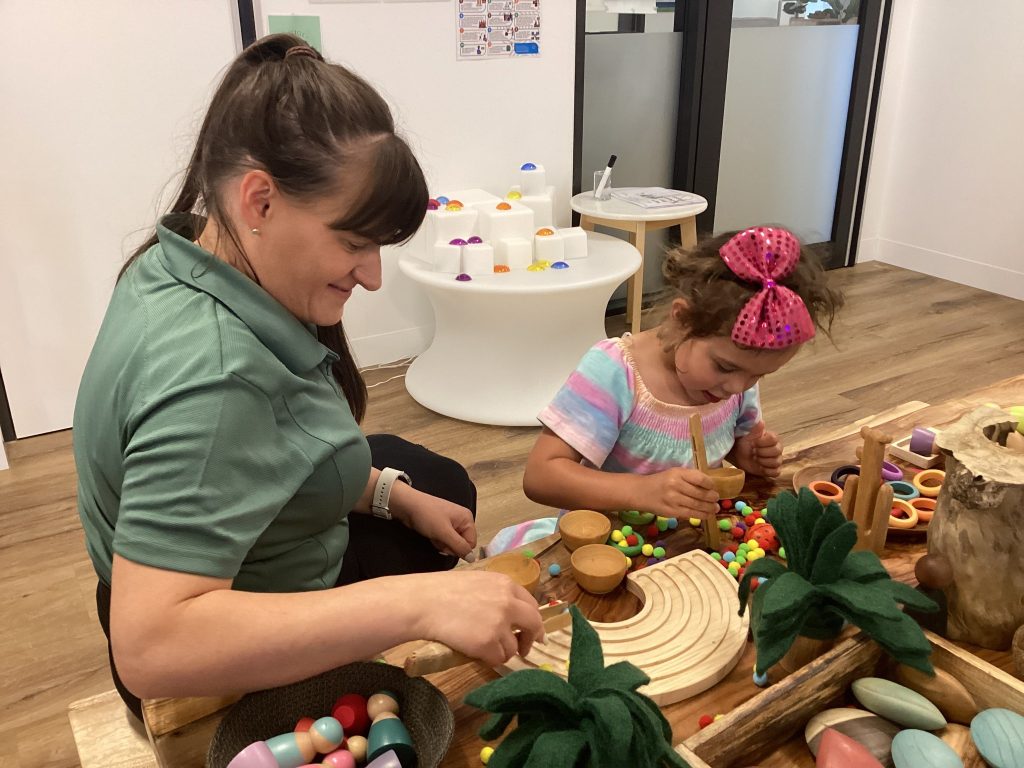
Why Choose Grow Early Education's Kindergarten or Preschool Program?
At Grow Early Education, our Kindergarten and Preschool Programs are designed to support busy families while still delivering a high-quality, government-approved early learning curriculum.
Here’s how Grow Early Education's Kindergarten or Preschool Program can be the perfect fit for your family:
- Long hours for working families: Enjoy extended care from early mornings to late afternoon, perfect for working parents or those with full schedules.
- 'Free' kindergarten or fee relief for Preschool for eligible children: Take advantage of Government funding, which means eligible children can attend 'Free' Kindergarten in Victoria and Queensland or receive fee relief for our Preschool Programs in New South Wales.

- Approved curriculum and added flexibility: Our program meets all of the educational requirements in a flexible, long day care environment. That means:
✅ flexibility for the number of hours and days you want your child to attend
✅ All-inclusive daily fees (meals, nappies, excursions, extra-curriculars, and access to our family communication app all in one fee)
✅ Year-round care, including school holidays
- A focus on key learning goals: We have been in consultation with local schools and they have guided us on the learning goals for children, that will assist them in their transition to formal school:
- Toileting – I can use the toilet and wash my hands by myself.
- Independence – I can open up my lunch box and fill up my own water bottle. I can dress and undress myself such as putting on my own shoes and hat.
- Emotional Skills – I can communicate my wants and needs.
- Name Writing & Recognition – I can recognise my name and attempt to write it.
- Cognitive Abilities – I can retell a story or event. I can solve problems on my own.
- Literacy & Numeracy Skills – I can recognise some letters and sounds. I can recognise some numbers. I can recognise some shapes.
- Social Skills Awareness – I can take turns with others. I can wait in line and follow instructions. I can ask and answer questions to take part in conversations.
- Fine Motor Skills – I can hold a pencil and crayon. I can cut and use scissors safely.
- Whole Body Listening – I can sit on the mat to participate in group time with my friends and teacher. I can actively take part in group learning.
- Formal discussions and transition statements: A formal discussion between parents and the teacher is held at the end of the year to support each child’s transition to school by collaboratively creating a transition statement. This strengths-based statement provides a snapshot of the child’s knowledge, skills, and dispositions across the five learning and development areas.
- School readiness initiatives to ease nerves: To help your child feel confident and excited about formalised school structures, we introduce regular school readiness initiatives. These could include fun and practical activities such as:
- Lunchbox days where children practice opening their own containers and eating from a packed lunch
- Uniform days where children wear their school uniforms, helping them prepare for daily routines and independence
- Visits to local schools across the year as part of your child’s transition to school process
- School-like routines such as sitting in group time, following simple instructions, and increasing independence with toileting and self-care
- Education-Focused: Children learn through play and structured learning activities in line with the Early Years Learning Framework (EYLF), led by qualified Early Childhood Teachers.
- Reduced transition stress: If your little one already attends one of our centres, our Kindergarten and Preschool Programs are delivered within the same nurturing environment your child already knows and loves. With consistent Educators, familiar routines, and strong peer relationships, children experience a smooth and secure learning journey. This continuity supports emotional well-being, builds confidence, and allows your child to fully engage in their day, without the added stress of adapting to multiple environments.
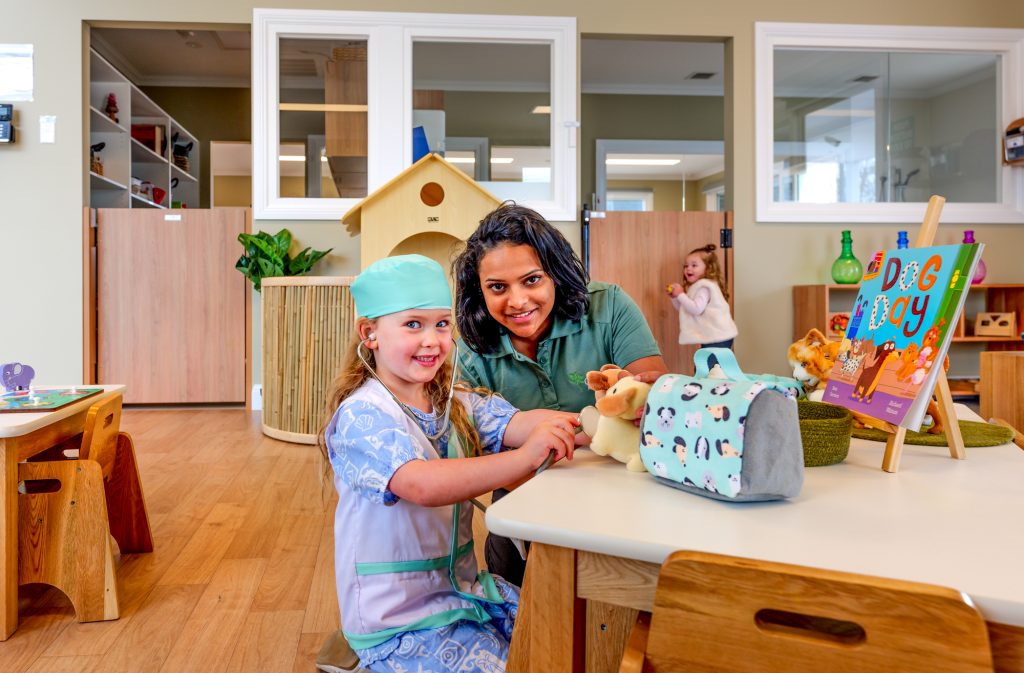
Planning ahead? We are now taking enquiries for our 2026 Kindergarten or Preschool Program. Register your interest today to secure your child’s place and give them a strong educational foundation.
Follow us on Facebook to stay up to date!
- Grow Early Education Bushland Beach
- Grow Early Education Bundaberg North
- Grow Early Education Darling Heights
- Grow Early Education Bridgeman Downs
- Grow Early Education Park Ridge
- Grow Early Education Toowoomba
- Grow Early Education Hervey Bay
- Grow Early Education Maroochydore
- Grow Early Education Dalby
- Grow Early Education Riverton
- Grow Early Education Gunnedah
- Grow Early Education Kelso
- Grow Early Education Nowra Central
- Grow Early Education Narre Warren North
- Grow Early Education Heathmont
- Grow Early Education Frankston
