As the cooler months approach, it’s the perfect time to focus on keeping little ones feeling their best through healthy habits and seasonal care. At our Grow Early Education centres, we prioritise winter wellness by focusing on three key areas: sleep (or rest), nutrition, and immune support. These pillars help ensure your child stays happy, healthy, and thriving throughout the season.
In today’s blog, we are digging into these three key elements to best assist you in navigating the upcoming cold and flu season.
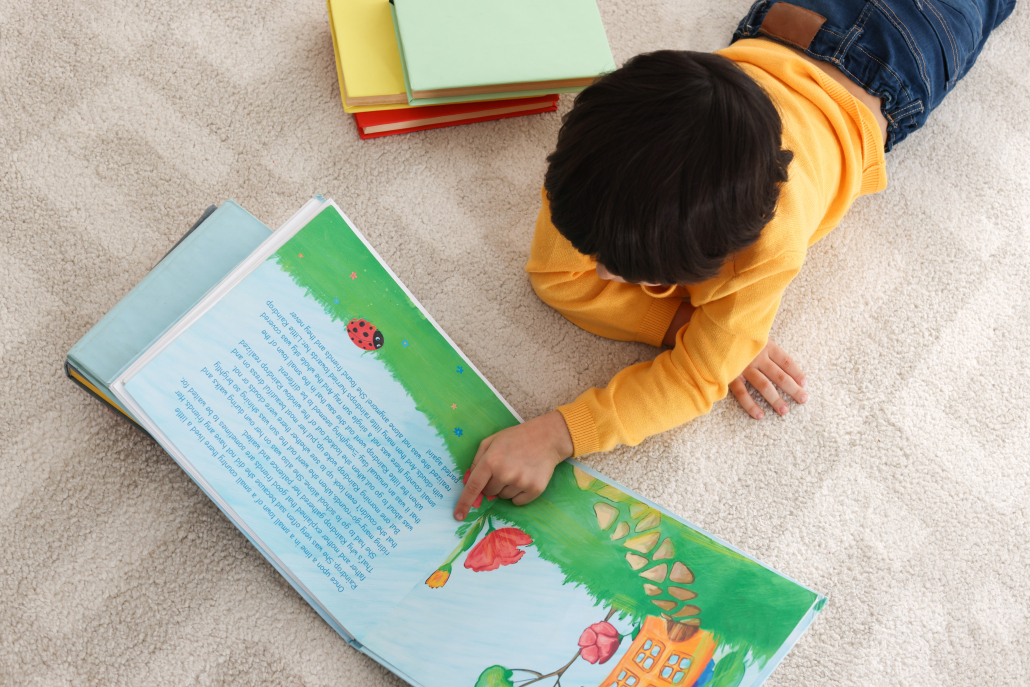
Sleep: The Foundation of Good Health
Quality sleep is essential for the development and immune function of young children. During winter, shorter days and colder mornings can disrupt sleep routines. Here’s how we help support better sleep:
- Consistent nap times: We follow a predictable daily routine, helping children feel secure and ready to rest.
- Cosy nap environments: Warm, quiet spaces with soft lighting encourage restful naps during chilly days.
- Wind-down routines: Gentle music and story time before naps help children transition calmly to sleep.
We also work closely with families to support consistent sleep patterns at home, especially during the winter when routines can shift.
Nutrition: Fuelling Little Bodies
Good nutrition plays a huge role in keeping children well during winter. At our centre, we focus on:
- Warm, nourishing meals: Think veggie-packed soups, casseroles, and pastas—perfect for chilly days.
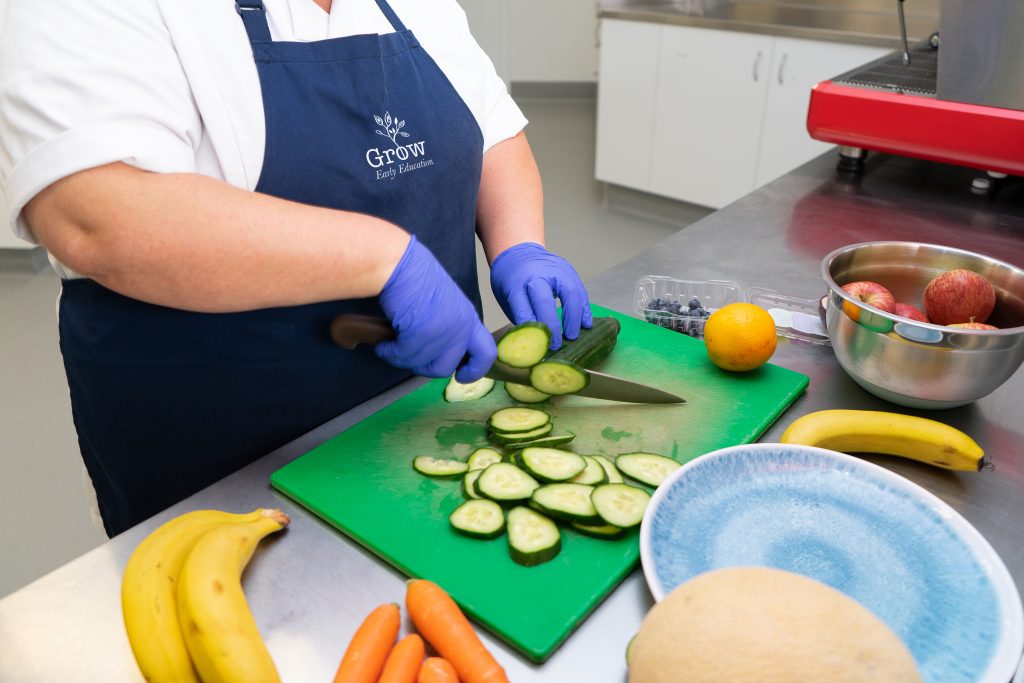
- Seasonal fruits and vegetables: We use fresh, seasonal produce such as mandarins, kiwifruit, broccoli, and sweet potatoes to boost vitamin intake.
- Hydration reminders: Even in cooler weather, we encourage regular water intake to support overall health.
We also promote hands-on experiences through cooking and food-based learning activities to help children build positive associations with healthy eating. Our centre Chefs ensure that all children are enjoying over 50% of their daily nutritional intake while at our centres, regardless of children’s dietary requirements.
Immune Support: Boosting Resilience Naturally
While winter often brings an increase in colds and sniffles, there are gentle ways to strengthen children’s immune systems:
- Outdoor play: Even in winter, fresh air and movement are essential for wellbeing, so we rug up and head outside whenever possible!
- Handwashing habits: We practice and teach proper handwashing to reduce the spread of germs.
- Rest and recovery: We work with families to encourage children to stay home when unwell, helping prevent the spread of illness and support healing.
We also stay up to date with local health advice and communicate proactively with families during peak illness periods.
Winter is a wonderful time for cosiness, connection, and growth. By focusing on sleep, nutrition, and immunity, we help your child enjoy a season of wellness and fun. If you have questions or need support with winter routines at home, our Educators are here to help.
Follow us on Facebook to see how our Grow Early Education centres incorporate and support winter wellness into their curriculums and daily routines.
- Grow Early Education Bushland Beach
- Grow Early Education Bundaberg North
- Grow Early Education Darling Heights
- Grow Early Education Bridgeman Downs
- Grow Early Education Park Ridge
- Grow Early Education Toowoomba
- Grow Early Education Hervey Bay
- Grow Early Education Maroochydore
- Grow Early Education Dalby
- Grow Early Education Riverton
- Grow Early Education Gunnedah
- Grow Early Education Kelso
- Grow Early Education Nowra Central
- Grow Early Education Narre Warren North
- Grow Early Education Heathmont
- Grow Early Education Frankston
Whether it be muddy, gloopy, or messy, we LOVE sensory play at our long daycare centres.
Sensory play is a fundamental part of early childhood development and at our childcare centres, we embrace the mess and magic of sensory trays to create hands-on, engaging experiences for children of all ages.
From the squish of jelly to the crunch of leaves, sensory trays offer children the opportunity to explore textures, sounds, smells, and even tastes in a safe and fun environment.
In this week's blog, we are showcasing how these engaging provocations can support brain development, fine motor skills, and creativity in young children while encouraging holistic development.
The Benefits of Sensory Trays:
- Brain Development: Sensory input helps build nerve connections in the brain’s pathways, enhancing memory, reasoning, and problem-solving skills.
- Fine Motor Skills: Scooping, pouring, pinching, and grasping all help children strengthen the muscles in their hands and fingers.
- Language Growth: Descriptive words fly around the room as children talk about what they feel, see, and smell.
- Emotional Regulation: Sensory play can be calming and therapeutic, helping children self-regulate and manage big emotions.
- Imaginative Play: With each new tray setup, children create stories, pretend scenarios, and explore their creativity.
At our Grow Early Education centres, our Educators use sensory trays to reflect seasonal themes, cultural learning, and educational topics. Here are just a few we’ve loved recently:
Grow Early Education Dalby:
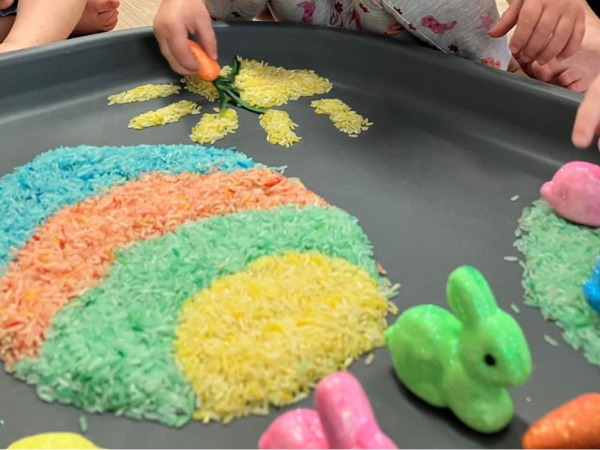
The children at Grow Early Education Dalby recently enjoyed a bright and colourful Easter-themed “scoop and pour” tray. This tray was part of the centre’s Easter celebrations and provided a fantastic opportunity for children to practice pouring, sorting, and scooping.
Grow Early Education Darling Heights:
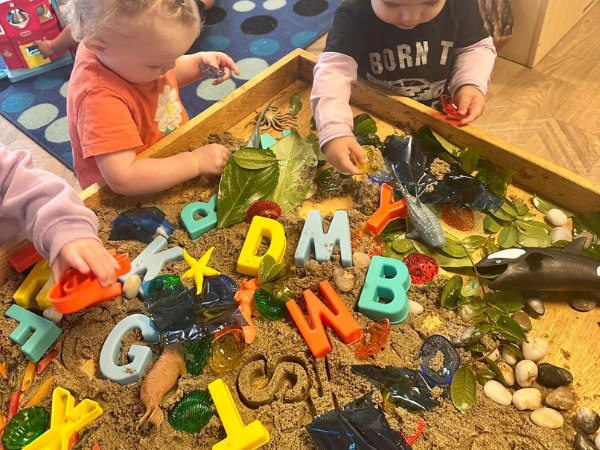
The Toddler Classroom were further introduced to literacy concepts as Educators set up an ocean-themed alphabet sensory tray. Children were able to create sandcastle letters as they explored a number of colours and textures, and ocean animals.
Grow Early Education Narre Warren North:
Educators were observing children's play habits within their child-initiated classroom time and discovered that the children were spending a lot of time in the home corner. To further extend on their interests, Educators set up a baking-themed sensory tray that allowed the children to experience utensils and ingredients through their senses.
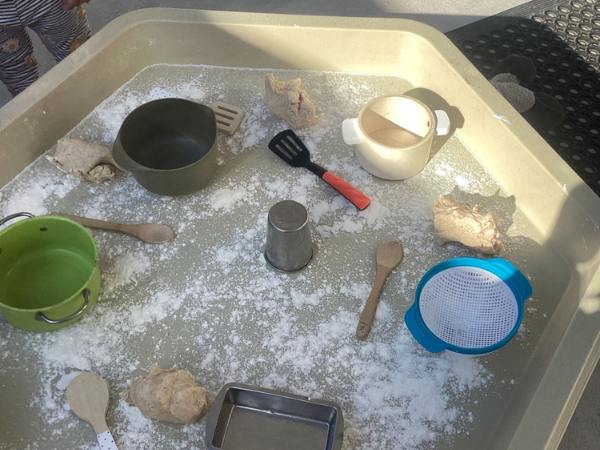
Grow Early Education Bushland Beach:
As part of the Grow Early Education curriculum exploring dinosaurs, our Educators created an exciting, age-appropriate sensory experience for the Tiny Tots Classroom. The children used paintbrushes to gently dust away sand and uncover hidden dinosaur fossils, just like real palaeontologists! This hands-on activity sparked curiosity, encouraged fine motor skills, and brought the prehistoric world to life.
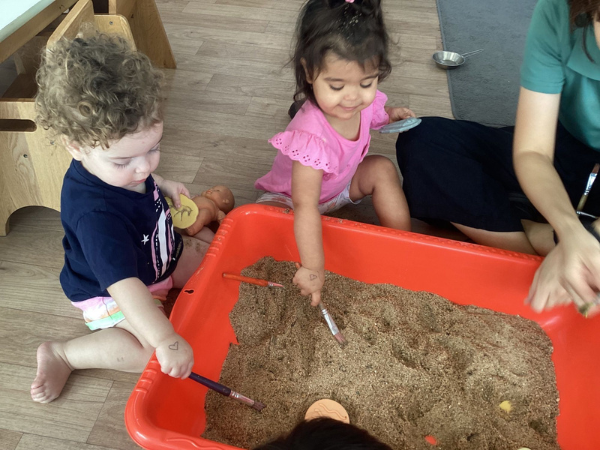
Grow Early Education Gunnedah:
At Grow Early Education Gunnedah, our Educators thoughtfully build sensory-themed trays based on the children’s interests. Recently, they created a vibrant, ocean-themed sensory tray filled with a variety of textures and shades of blue. This immersive experience allowed the children to explore and learn about the fascinating underwater world through sensory play that stimulates curiosity and imagination.
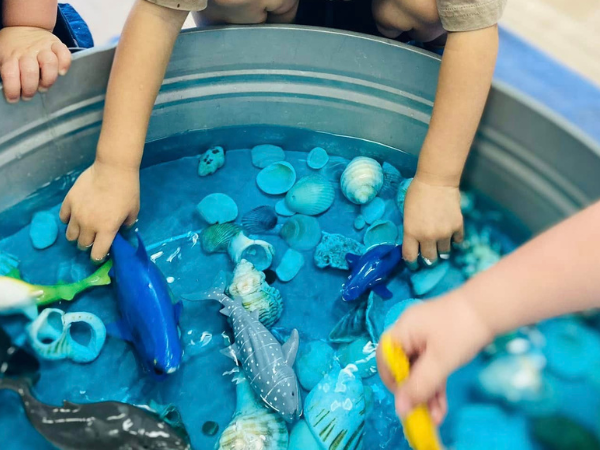
Sensory play isn’t just fun, it’s foundational. Our Educators love designing trays that are not only exciting for children, but meaningful too. Whether it's a celebration of culture, a holiday event, or an everyday exploration of science and nature, there’s always something new to discover with a sensory tray.
Interested in trying your own tray setup at home? Here are some simple sensory tray ideas to try:
- Ocean Adventure: Blue jelly, shells, toy sea creatures, and seaweed (green spaghetti).
- Construction Site: Crushed Weet-Bix or Coco Pops as “dirt,” trucks, pebbles, and cones.
- Rainbow Rice Art: Layered colourful rice with scoops, funnels, and paintbrushes for mixing and creating.
- Fruit Exploration Tray: Citrus slices, spoons, and bowls of water for squishing and squeezing.
Stay up to date with our centres on Facebook to see what sensory play trays they create next!
- Grow Early Education Bushland Beach
- Grow Early Education Bundaberg North
- Grow Early Education Darling Heights
- Grow Early Education Bridgeman Downs
- Grow Early Education Park Ridge
- Grow Early Education Toowoomba
- Grow Early Education Hervey Bay
- Grow Early Education Maroochydore
- Grow Early Education Dalby
- Grow Early Education Riverton
- Grow Early Education Gunnedah
- Grow Early Education Kelso
- Grow Early Education Nowra Central
- Grow Early Education Narre Warren North
- Grow Early Education Heathmont
- Grow Early Education Frankston
Easter is the perfect time to get creative with your little ones! From bright colours and fluffy bunnies to sparkly eggs and baskets full of joy, there’s so much fun to be had with Easter crafts. Not only do these activities encourage creativity and fine motor skills, but they also help children express themselves and enjoy the season in a meaningful way.
Here are some of our favourite Easter crafts that are perfect for early learners that you can try at home this long weekend!
1. Cotton Ball Bunny Faces
What you’ll need:
-
Paper plates
-
Cotton balls
-
Googly eyes
- Coloured paper (for ears)
-
Pink pom poms (for noses)
-
Pipe cleaners (for whiskers)
- Elastic (optional)
-
Glue and child-safe scissors
How to make it:
Let the children cover their paper plate with fluffy cotton balls to create the bunny’s face. Add googly eyes, a pink pom pom nose, and whiskers using pipe cleaners. Don’t forget some big bunny ears cut from coloured paper!
❗️TIP: Add elastic to the sides and remove the googly eyes to create an Easter mask.

2. Painted Easter Eggs (No Mess Version!)
What you’ll need:
-
White paper cut into egg shapes
-
Ziplock bags
-
Non-toxic paint
How to make it:
Place a paper egg and a few drops of paint into a ziplock bag. Seal it tight and let children squish and spread the paint around with their fingers from the outside. It’s sensory, mess-free, and so much fun! This activity is perfect for Babies and Toddlers as they work on their pincer grip and fine motor skills!
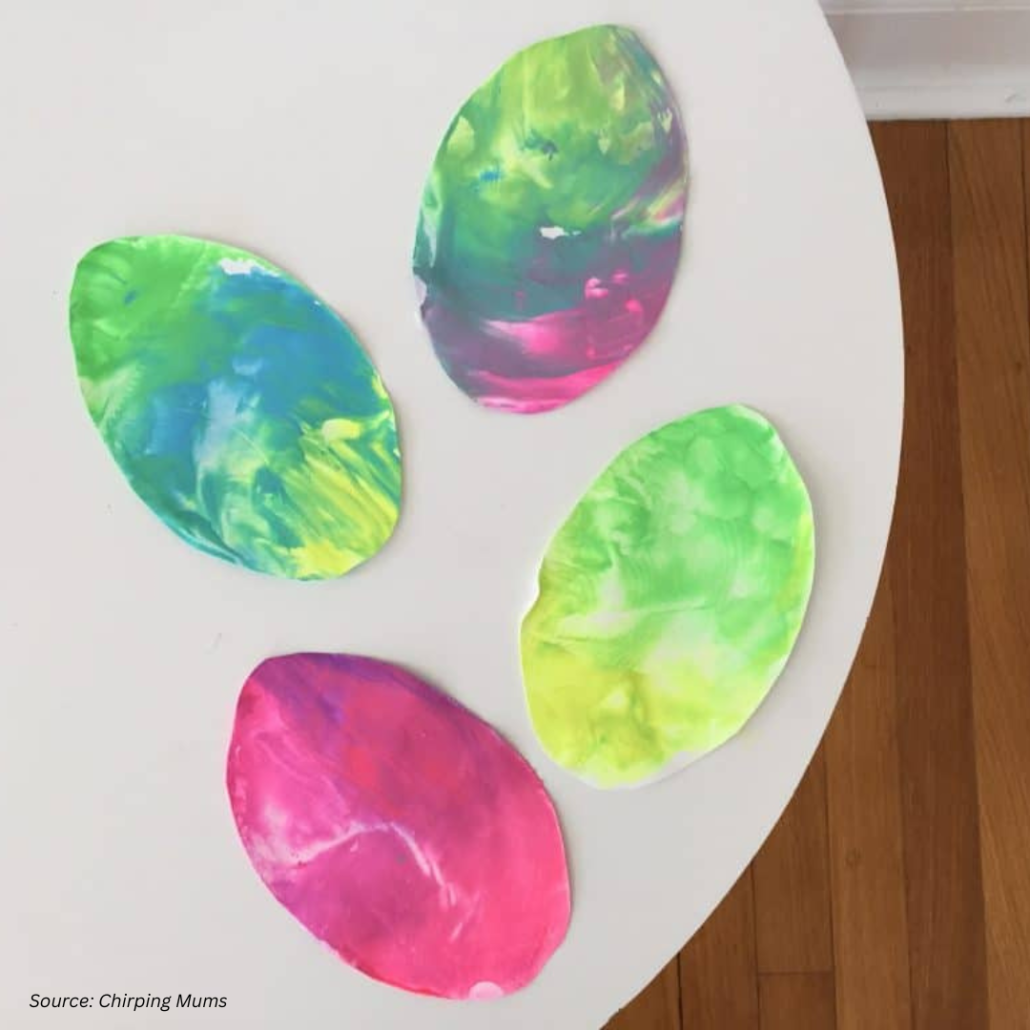
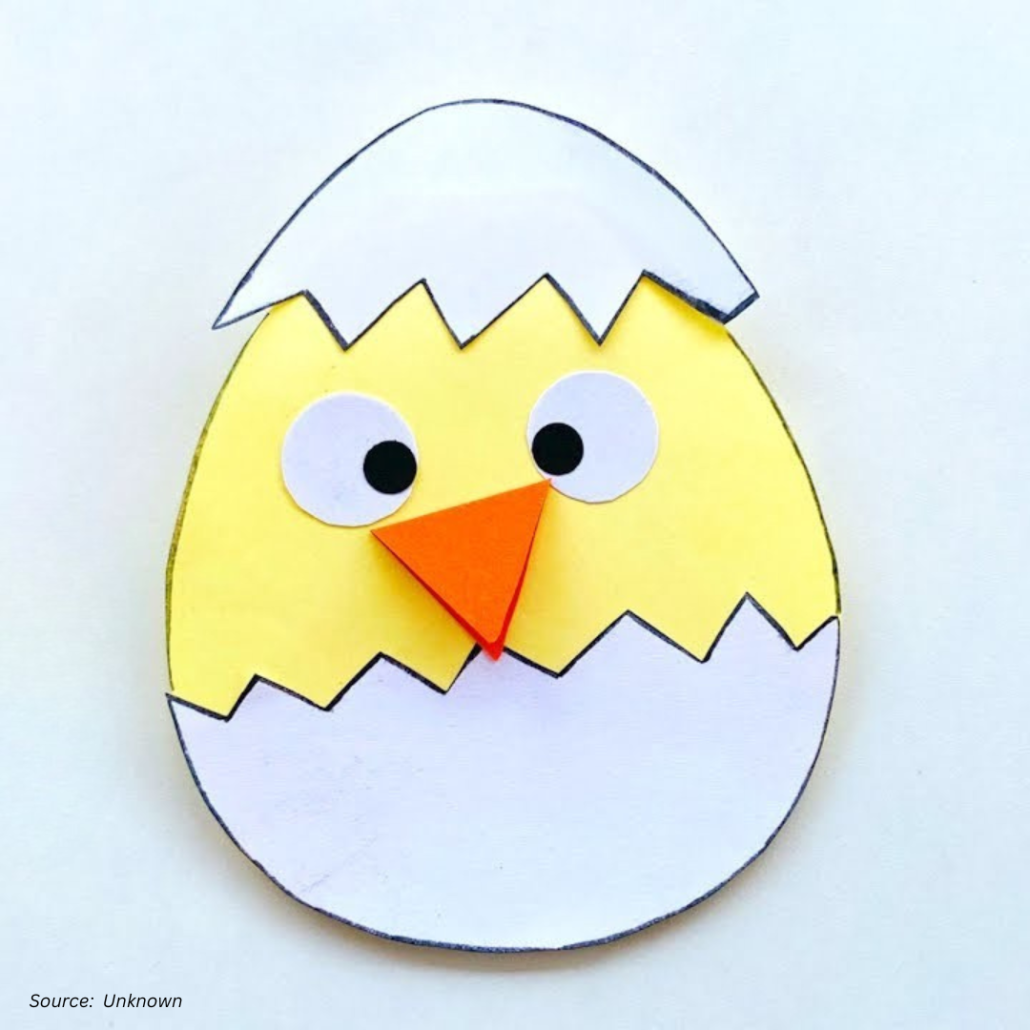
3. Chick in an Egg Card
What you’ll need:
-
Yellow and white construction paper
-
Orange paper (for the beak)
-
Markers, glue, and scissors
How to make it:
Cut a white egg shape and snip a zig-zag crack across the middle. Glue the bottom half onto yellow paper, then create a little chick by drawing or gluing on eyes and a beak. Add the top half of the egg so it looks like the chick is hatching!
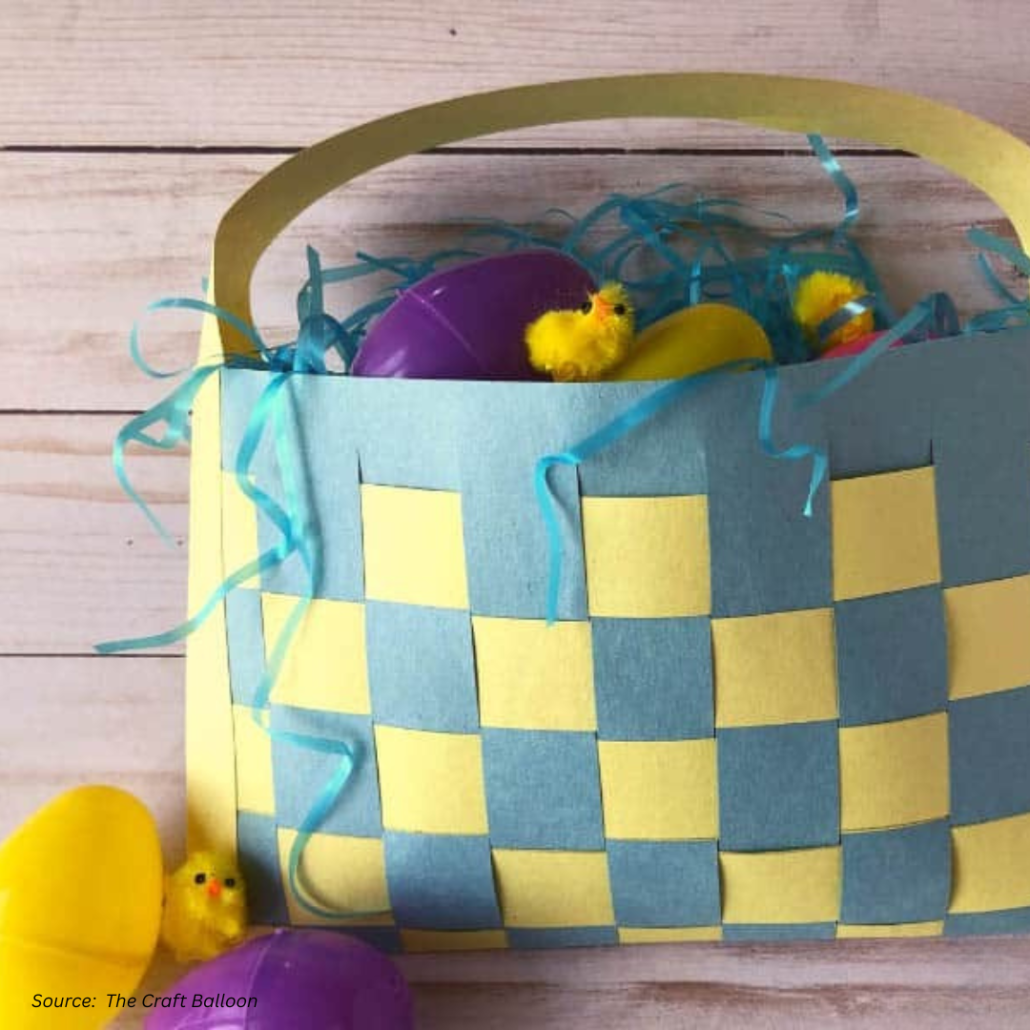
4. Easter Basket Weaving
What you’ll need:
-
Construction paper in pastel colours
-
Scissors and glue
How to make it:
Help children cut slits in one piece of paper and weave strips of coloured paper through to create a basket look. Fold up the sides and glue a handle on top.
❗️ TIP: These make great Easter egg hunting baskets!
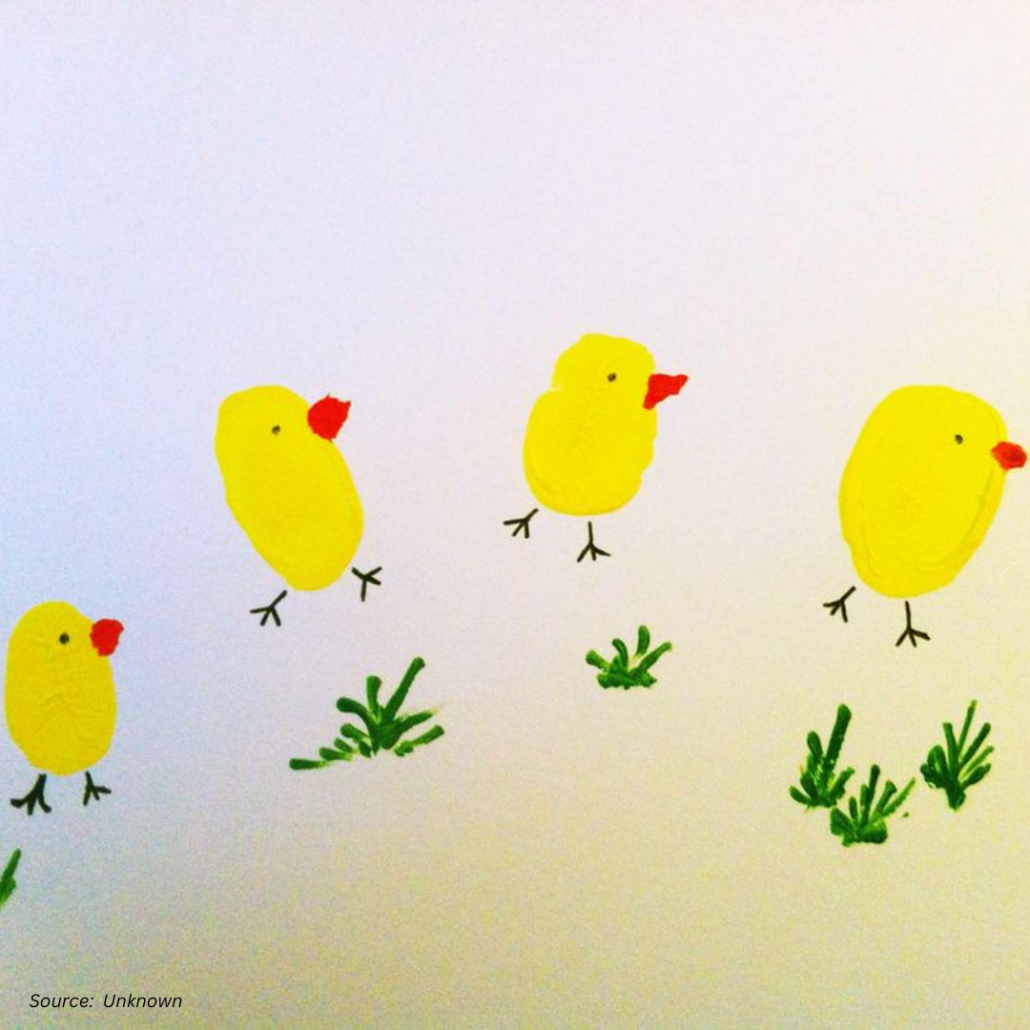
5. Fingerprint Bunny and Chick Art
What you’ll need:
-
Non-toxic paint
-
White paper
-
Markers
How to make it:
Let kids dip their fingers into paint and press them onto paper to create bunny and chick bodies. Once dry, add ears, beaks, eyes, and feet with markers. These make sweet keepsakes for Easter!
Crafts are more than just fun—they help children build hand-eye coordination, learn to follow instructions, and develop confidence in their abilities. Best of all, they get to take home something they made with love and pride!
Stay up to date with our Grow Early Education centres on Facebook to see what amazing Easter themed arts and crafts they got up to this week!
- Grow Early Education Bushland Beach
- Grow Early Education Bundaberg North
- Grow Early Education Darling Heights
- Grow Early Education Bridgeman Downs
- Grow Early Education Park Ridge
- Grow Early Education Toowoomba
- Grow Early Education Hervey Bay
- Grow Early Education Maroochydore
- Grow Early Education Dalby
- Grow Early Education Riverton
- Grow Early Education Gunnedah
- Grow Early Education Kelso
- Grow Early Education Nowra Central
- Grow Early Education Narre Warren North
- Grow Early Education Heathmont
- Grow Early Education Frankston
Don't forget! Our Grow Early Education centres are closed for the Good Friday (18th April) and Easter Monday (21st April) public holidays. Each of our centres will reopen on Tuesday, the 22nd of April as per their regular trading hours.
At Grow Early Education, we believe in giving every child the best start to their educational journey. One of the most powerful tools we use in our long day care and kindergarten/Preschool programs is phonics. Phonics is a foundational skill that plays a key role in developing early reading, language, and communication abilities and supports confidence in early childhood.
In this week’s blog, we’re exploring the importance of phonetic sounds and how they help shape confident, capable learners—setting children up for success not only in school but in life.
What is Phonics?
Phonics is the method of teaching children the relationship between sounds and the letters or groups of letters that represent those sounds. Rather than memorising whole words by sight, phonics helps children decode words by sounding them out.
For example:
- A makes the sound “ah” as in apple.
- B makes the sound “buh” as in ball. ⚽
- S makes the sound “sss” as in sun. ☀️
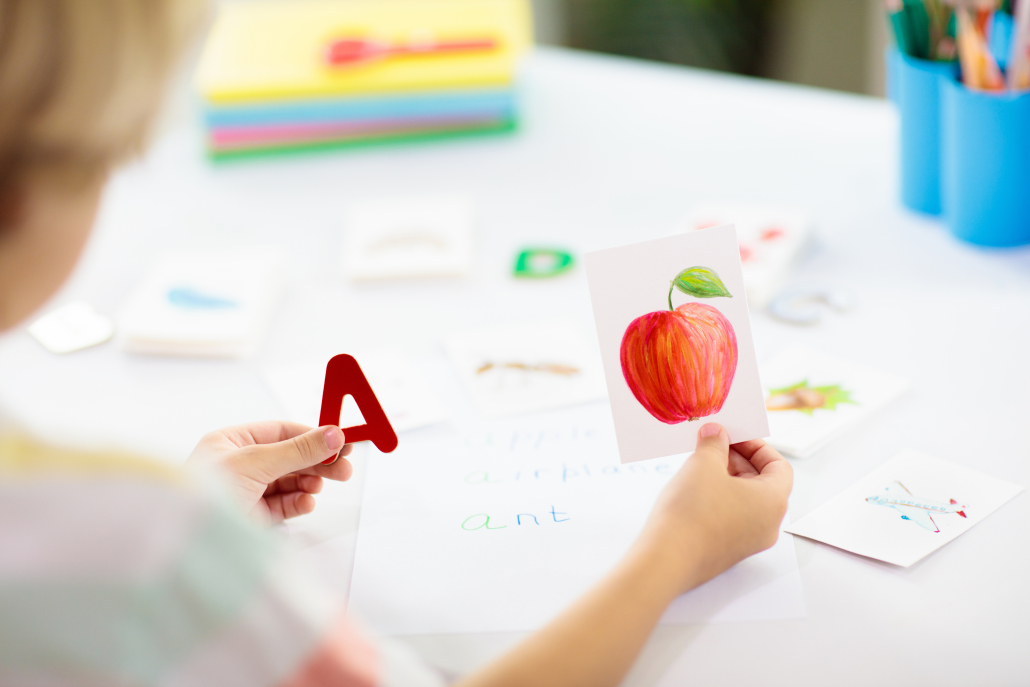
Understanding these sounds gives children the tools they need to decode unfamiliar words, improve their spelling, and become confident readers and communicators.
Research shows that phonics instruction significantly improves children’s reading and writing skills. At Grow Early Education, we understand how critical this stage is in a child’s development. That’s why our qualified Educators and Early Childhood Teachers incorporate phonics and phonemic awareness into our daily routines.
Phonics helps children:
- Recognise and produce individual letter sounds
- Blend sounds together to read new words
- Identify sounds at the beginning, middle, and end of words
- Develop strong vocabulary and comprehension skills
- Grow in confidence and enjoy the process of learning

Our curriculum is guided by the Early Years Learning Framework (EYLF), which emphasises communication, literacy, and language development as key learning outcomes. Phonetic learning aligns beautifully with the EYLF’s vision for children to become confident and effective communicators.
Through play-based learning experiences that are both meaningful and engaging, we provide opportunities for children to explore sounds, language, and storytelling in ways that feel natural and fun.
At Grow Early Education, we also follow the Abecedarian Approach – a research-based teaching method that supports language development through intentional, high-quality interactions. This includes strategies such as:
- Learning Games that promote turn-taking and communication
- Conversational Reading that fosters vocabulary and comprehension
- Language Priority in everyday routines
These strategies complement phonetic learning, helping children not only understand sounds but also use language to express ideas, ask questions, and build relationships.
Families play an important role in supporting their child’s early literacy journey. Here are a few simple ways you can reinforce phonics at home:
- Read with your child every day and talk about the sounds letters make
- Sing songs and nursery rhymes that play with rhyme and rhythm
- Play games like “I Spy” using beginning letter sounds
- Encourage your child to sound out words while reading signs, labels, and books
We are passionate about creating a love for learning that lasts a lifetime. By integrating phonics into our early education program, we empower children to build strong literacy foundations, setting them up for success as they move through kindergarten and beyond.
Discover how we bring the Early Years Learning Framework and the Abecedarian Approach Australia (3a) to life with phonics and more —follow us on Facebook to see meaningful learning in action.
- Grow Early Education Bushland Beach
- Grow Early Education Bundaberg North
- Grow Early Education Darling Heights
- Grow Early Education Bridgeman Downs
- Grow Early Education Park Ridge
- Grow Early Education Toowoomba
- Grow Early Education Hervey Bay
- Grow Early Education Maroochydore
- Grow Early Education Dalby
- Grow Early Education Riverton
- Grow Early Education Gunnedah
- Grow Early Education Kelso
- Grow Early Education Nowra Central
- Grow Early Education Narre Warren North
- Grow Early Education Heathmont
- Grow Early Education Frankston
In recent years, the educational landscape has witnessed a significant shift towards play-based learning curricula, particularly in early childhood education. This approach recognises the inherent value of play as a fundamental aspect of how children learn and develop. In this blog, we will explore play-based learning, its key principles, and its numerous benefits to young learners.
What is Play-Based Learning?
Play-based learning is an educational philosophy that emphasises the importance of play as a primary mode of learning for children. Unlike traditional, teacher-directed instruction, play-based learning encourages children to engage in hands-on, experiential activities that stimulate curiosity, creativity, and critical thinking. This curriculum is designed to be flexible, allowing children to explore their interests and learn at their own pace.

Key Principles of Play-Based Learning
- Child-Centred Approach: At the heart of play-based learning is the belief that children are active participants in their own learning. Educators serve as facilitators, providing guidance and support while allowing children to take the lead in their exploration.
- Integration of Learning Areas: Play-based curriculum often integrates various learning domains, such as social-emotional, cognitive, physical, and language development. Through play, children can engage in activities that promote multiple skills simultaneously.
- Real-Life Experiences: Play-based learning often involves real-life scenarios and experiences, allowing children to make connections between their play and the world around them. This relevance enhances their understanding and retention of information.
- Collaboration and Social Interaction: Play encourages collaboration and social interaction among children. Through group activities, children learn to communicate, negotiate, and work together, fostering essential social skills.
- Encouragement of Creativity: Play-based learning nurtures creativity by providing children with the opportunities to express themselves through imaginative play, art, music, and storytelling. This creative exploration is vital for cognitive and emotional development.
Benefits of Play-Based Learning
- Enhanced Cognitive Development: Play-based activities stimulate critical thinking and problem-solving skills. Children learn to ask questions, experiment, and find solutions, which are essential cognitive skills for lifelong learning.
- Improved Social Skills: By engaging in cooperative play, children develop social skills such as sharing, empathy, and conflict resolution. These interactions help them build friendships and navigate social dynamics effectively.
- Emotional Growth: Play allows children to express their emotions and experiences in a safe environment. Through role-playing and imaginative scenarios, they can explore feelings, learn self-regulation, and develop emotional resilience.
- Physical Development: Many play-based learning activities involve physical movement, which supports the development of gross and fine motor skills. Activities such as climbing, jumping, and manipulating objects enhance coordination and overall physical health.
- Increased Motivation and Engagement: Play-based learning fosters intrinsic motivation. Children are more likely to engage deeply with activities that they find enjoyable and interesting, leading to a positive attitude towards learning.
- Preparation for Future Learning: The skills acquired through play-based learning set a solid foundation for future academic success. Children develop a love for learning, curiosity, and the ability to think critically, which are essential for their educational journey.

How do we Implement Play-Based Learning in Early Childhood Education?
To effectively implement a play-based learning curriculum, Educators can:
- Create a stimulating environment that encourages exploration and creativity.
- Provide a variety of materials and resources that support different types of play, including sensory play, dramatic play, and construction play.
- Observe and assess children's interests and learning styles to tailor activities that resonate with them.
- Foster a positive and supportive atmosphere where children feel safe to express themselves and take risks in their learning.
- Have fun, engage and play with children. Choose your moments to sit back and observe, actively engage or wait to be invited into the play. Make play-based learning a fun and engaging time for children to have your full attention.
Play-based learning is more than just fun; it is a powerful educational approach that supports holistic development in children. By embracing play as a fundamental part of the learning process, educators can create enriching experiences that foster cognitive, social, emotional, and physical growth. As we continue to recognize the significance of play in education, we pave the way for a generation of curious, confident, and capable learners ready to thrive in an ever-changing world.
Stay up to date with our Grow Early Education centres on Facebook to see what amazing play-based activities Educators incorporate into their daily curricula.
- Grow Early Education Bushland Beach
- Grow Early Education Bundaberg North
- Grow Early Education Darling Heights
- Grow Early Education Bridgeman Downs
- Grow Early Education Park Ridge
- Grow Early Education Toowoomba
- Grow Early Education Hervey Bay
- Grow Early Education Maroochydore
- Grow Early Education Dalby
- Grow Early Education Riverton
- Grow Early Education Gunnedah
- Grow Early Education Kelso
- Grow Early Education Nowra Central
- Grow Early Education Narre Warren North
- Grow Early Education Heathmont
- Grow Early Education Frankston
