Halloween is the perfect time for little hands to get creative! Beyond the costumes and treats, craft time can be a wonderful opportunity for children to learn, explore, and strengthen important developmental skills, especially their fine motor skills.
Fine motor skills involve the small muscles in the hands and fingers, which children use for everyday tasks such as holding pencils, using scissors, and gluing. By incorporating themed crafts into play, we can make skill-building fun and meaningful.
To celebrate the spooky season, we have compiled some of our favourite Halloween-inspired and age-appropriate crafts for you and your little ones to try at home.
For Babies (0–2 Years): Sensory Play and Early Exploration
1. Pumpkin Sensory Bags
Fill a zip-lock bag with orange hair gel, googly eyes, and small Halloween-themed confetti or pom-poms. Tape it to the floor or a highchair tray and let your baby squish, poke, and press.
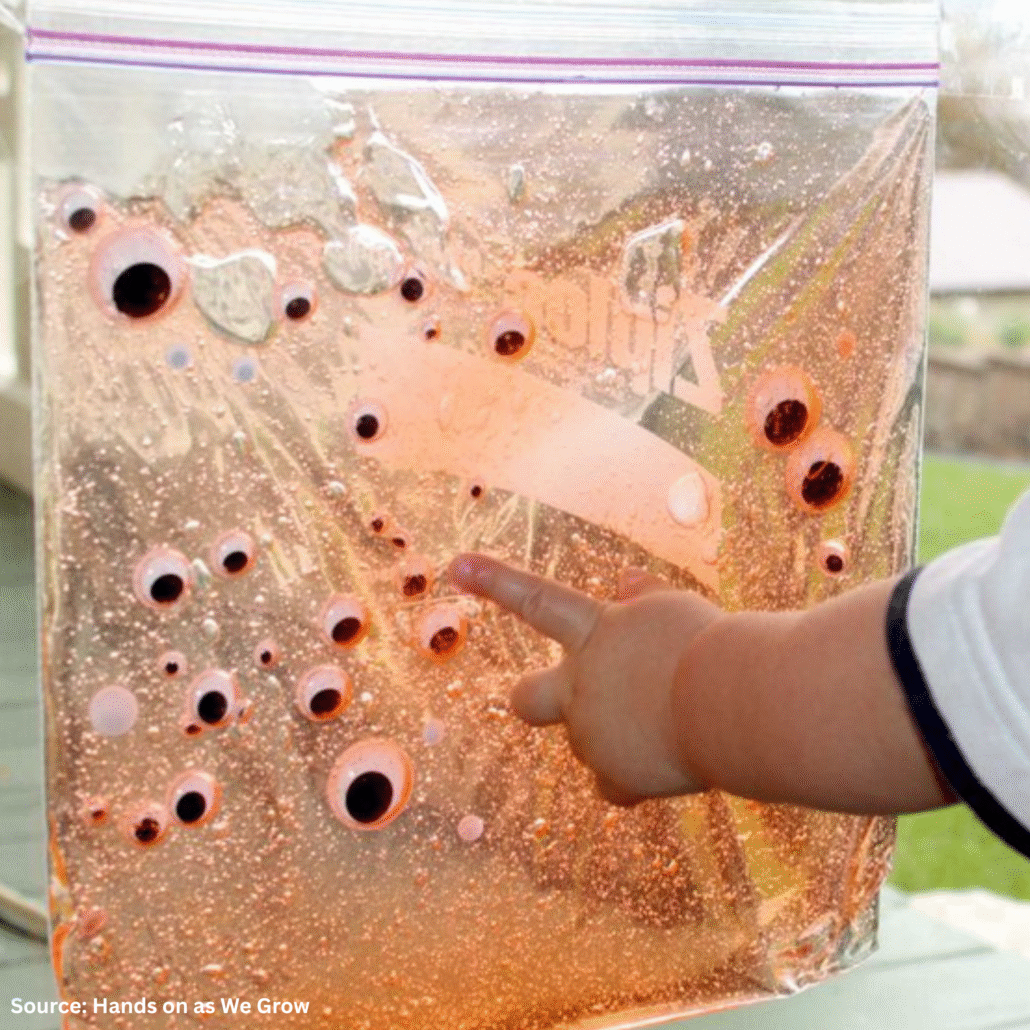
Learning focus: Hand-eye coordination, sensory exploration, and cause-and-effect thinking.
2. Ghost Footprint Art
Dip your baby’s foot in white paint and stamp it onto black paper. Add eyes and a mouth to create a ghostly footprint!
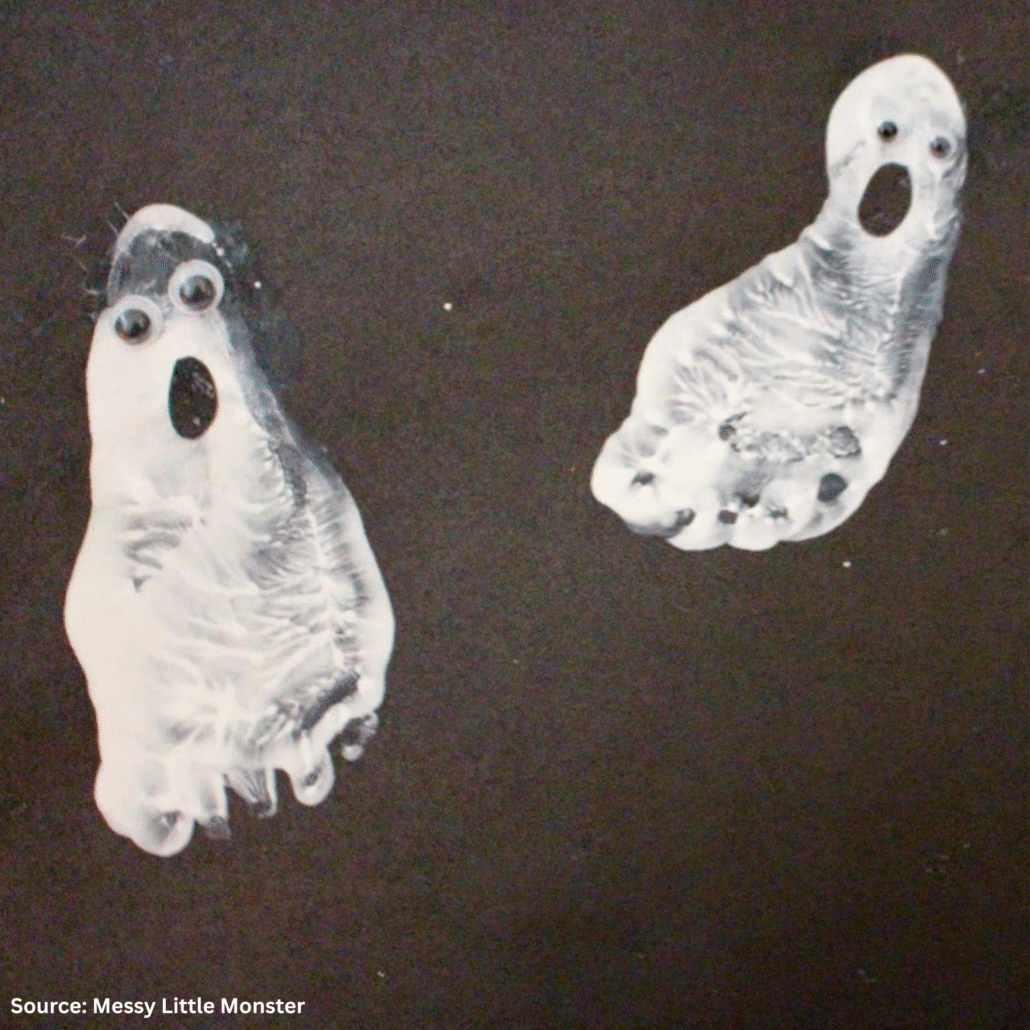
Learning focus: Early sensory awareness and recognition of body parts through play.
For Toddlers (2–3 Years): Tactile Play and Coordination
3. Cotton Ball Spiders
Give Toddlers black paper, glue, and cotton balls or pom poms. Help them pull apart and stretch the cotton to form a “spider body,” then stick on googly eyes and draw or paste pipe cleaner legs.
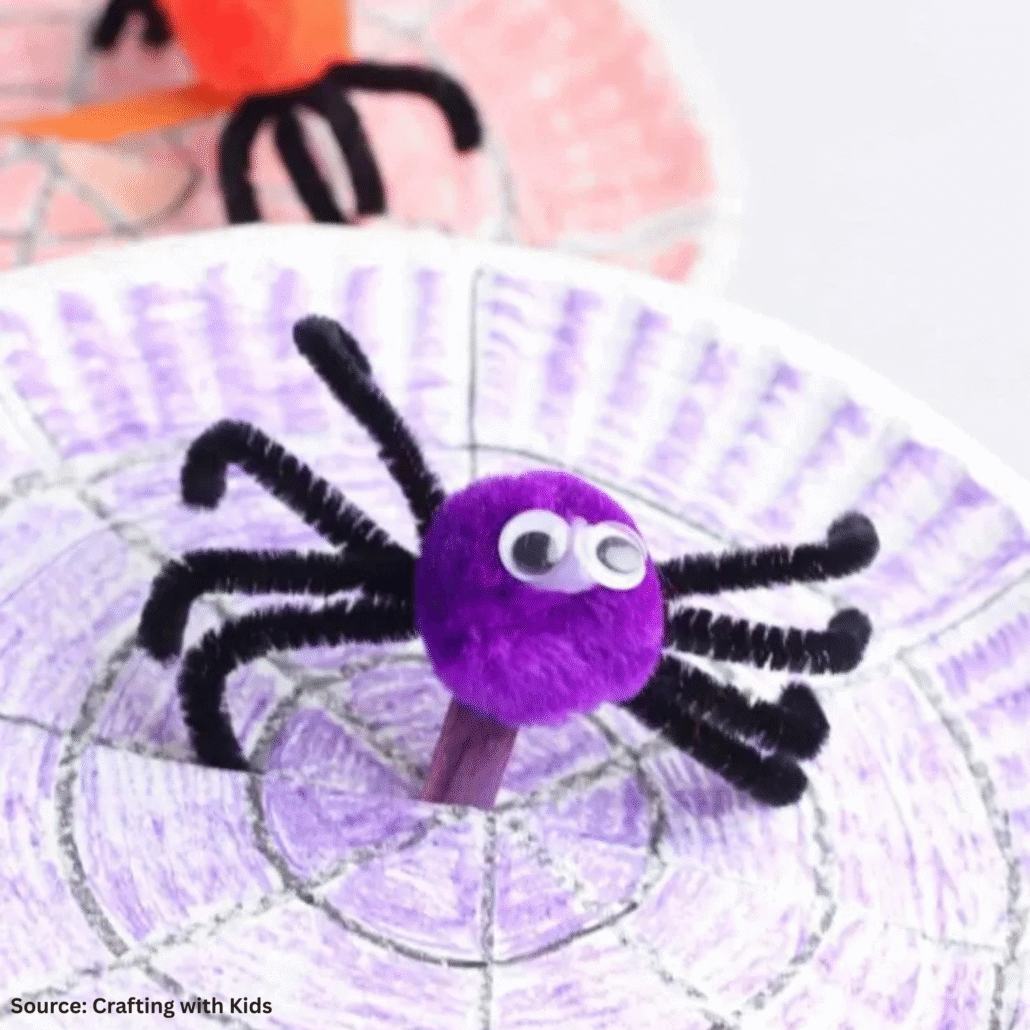
Learning focus: Strengthening finger muscles, hand–eye coordination, and creativity.
4. Sticker Pumpkins
Provide orange cut-out pumpkins or mini carving pumpkins and a sheet of Halloween stickers. Encourage your child to decorate however they like for a mess free and safe pumpkin decorating experience.
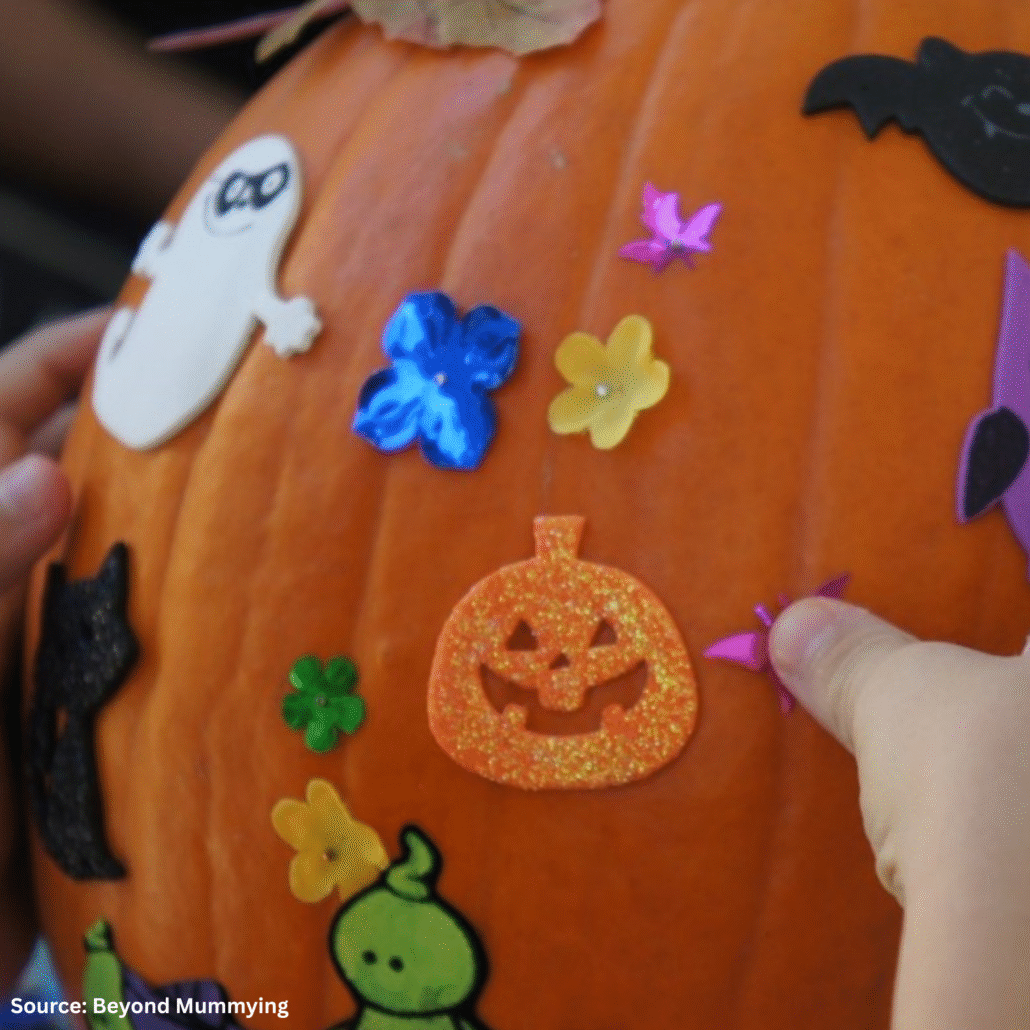
Learning focus: Fine motor control through peeling and sticking, as well as fostering independence and decision-making.
For Preschoolers and Kindergarteners (3–5 Years): Creativity and Control
5. Paper Plate Jack-O’-Lanterns
Using orange paint, black paper triangles, and glue, children can design their own jack-o’-lantern faces on paper plates. Let them cut out shapes (with safety scissors) for added practice.
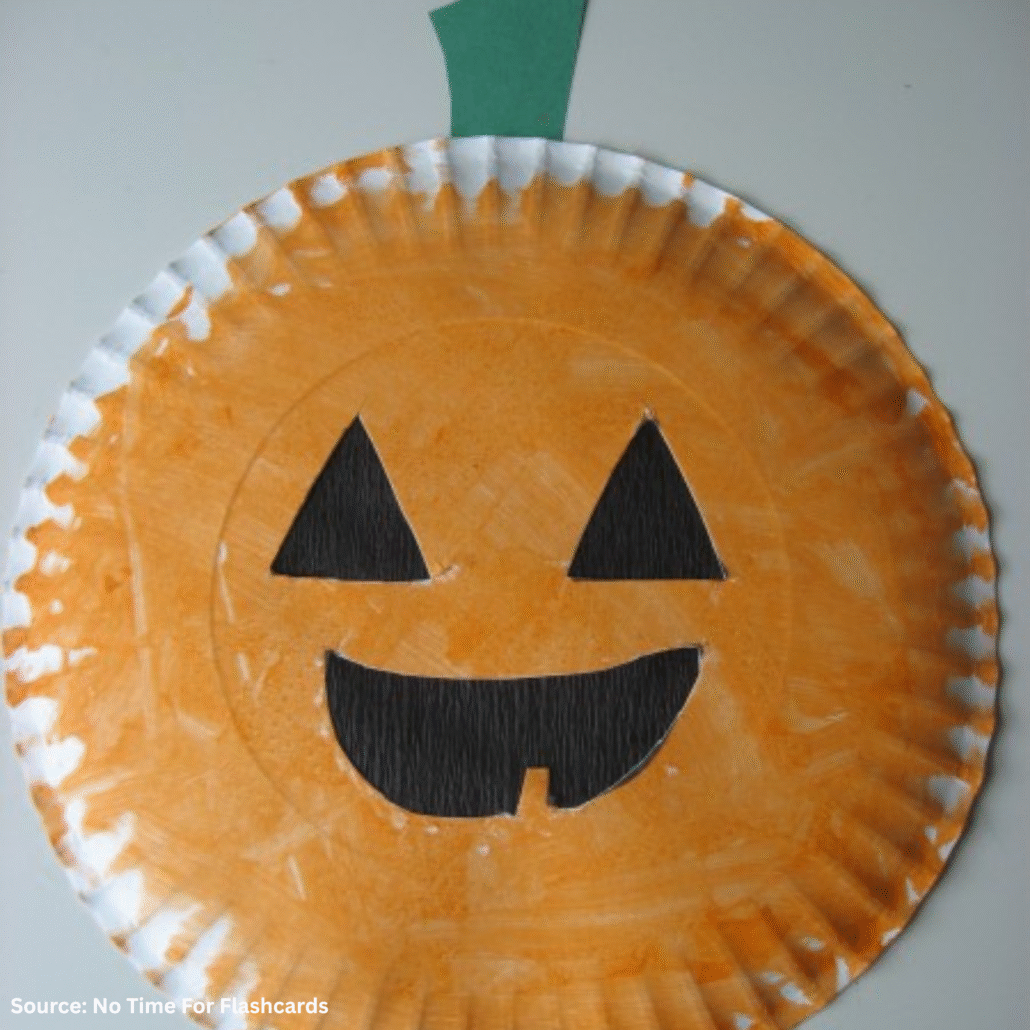
Learning focus: Scissor control, bilateral coordination, and early geometry.
6. Yarn-Wrapped Mummies
Cut out simple mummy shapes from cardboard, draw on eyes, and give children white yarn or ribbon to wrap around their mummy.
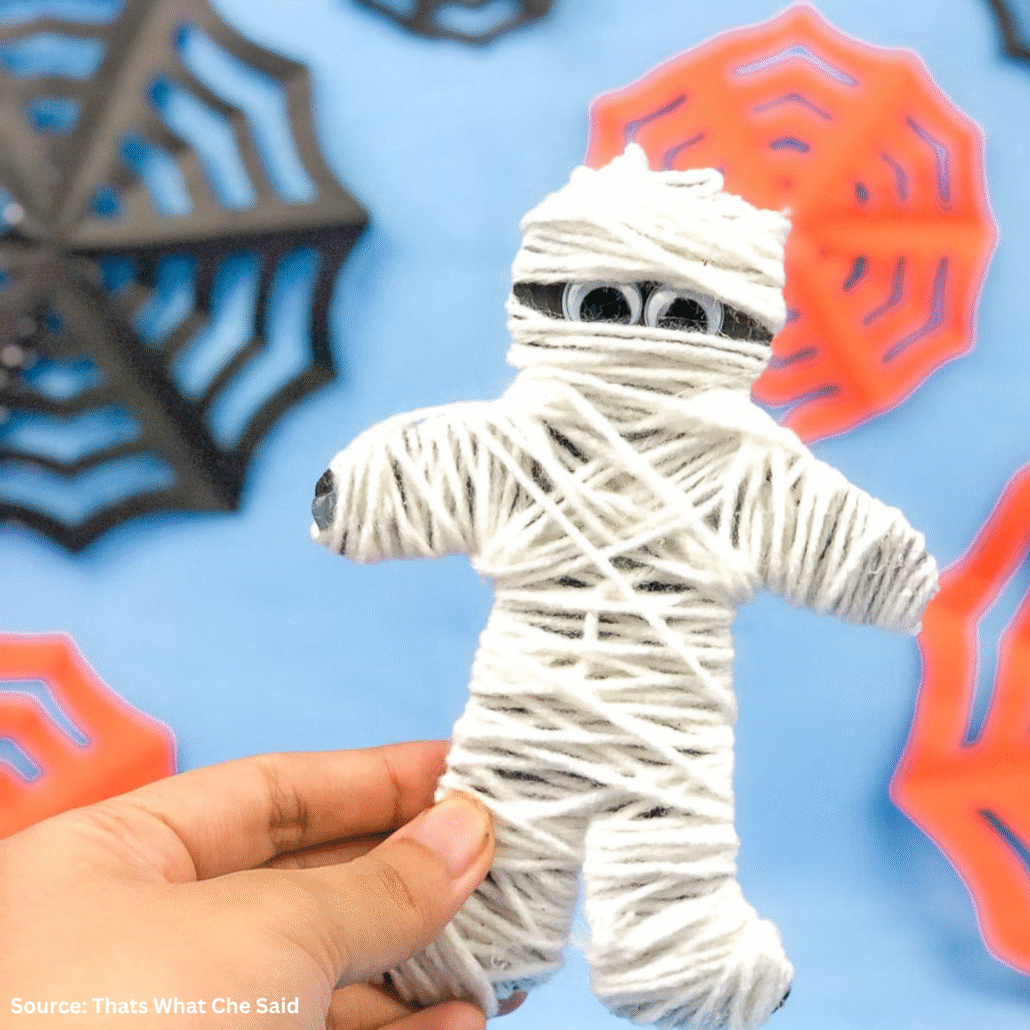
Learning focus: Strength and coordination as they wrap.
7. Magic Wand Craft
Provide sticks, ribbons, and paper stars for children to decorate. They can use paint, stickers, or glitter glue to make their wands magical!
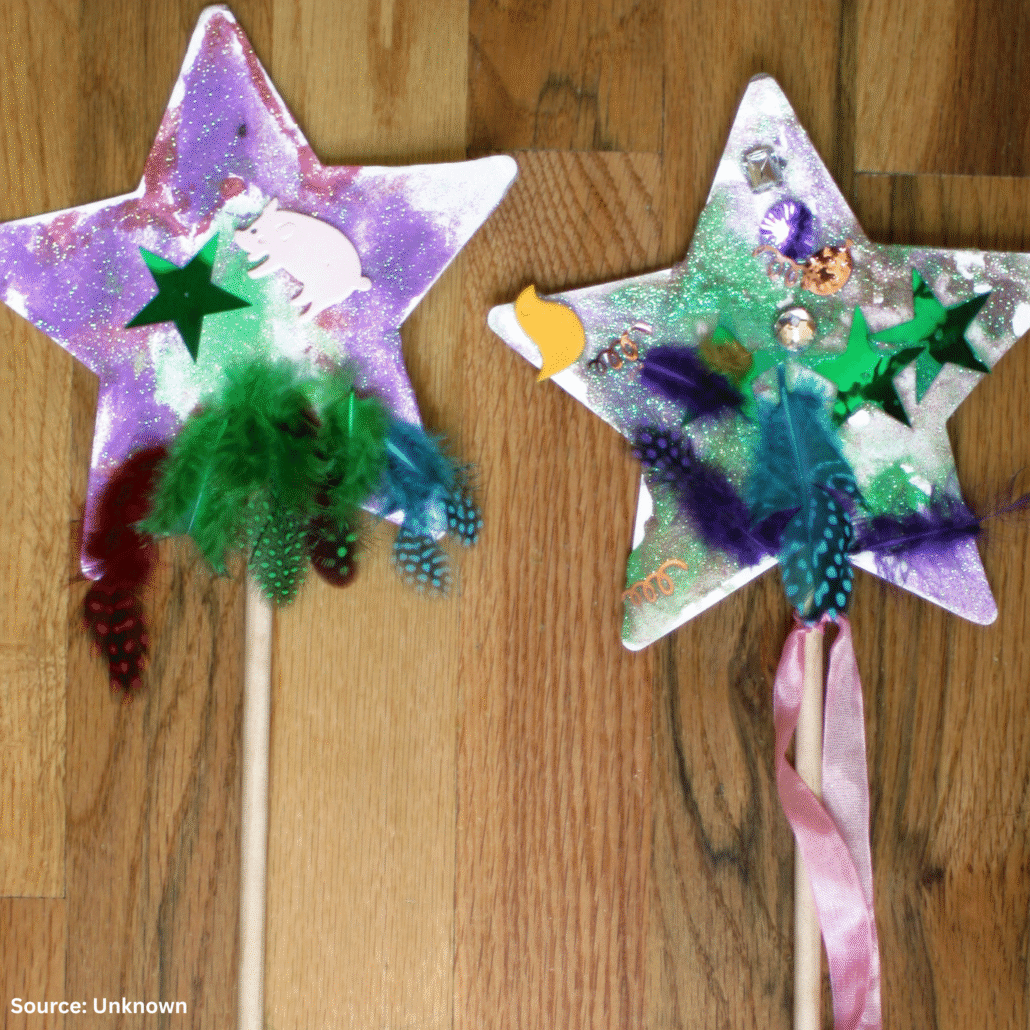
Learning focus: Strengthening fine motor precision, encouraging imaginative play, and boosting self-expression.
Why Craft Matters
Every time children paint, glue, or thread, they’re developing the skills needed for future learning success. These activities:
-
Strengthen hand and finger muscles for writing readiness
-
Encourage creativity and imagination
-
Build concentration and problem-solving skills
-
Support language development through discussion and storytelling
So this Halloween, grab the glue sticks and glitter — and let learning come to life through play!
Follow us on Facebook to see what spooky crafts children across our centres get up to:
- Grow Early Education Darling Heights
- Grow Early Education Bridgeman Downs
- Grow Early Education Park Ridge
- Grow Early Education Toowoomba
- Grow Early Education Hervey Bay
- Grow Early Education Dalby
- Grow Early Education Riverton
- Grow Early Education Gunnedah
- Grow Early Education Kelso
- Grow Early Education Nowra Central
- Grow Early Education Narre Warren North
- Grow Early Education Heathmont
- Grow Early Education Frankston
- Grow Early Education Tarneit
Early Childhood Education plays a vital role in a child’s development, yet many myths and misconceptions still surround it. From doubts about play-based learning to misunderstandings about structured programs, these myths can make it difficult for families to feel confident about choosing the right childcare or early learning environment. In this weeks blog, we are exploring some of the most common childcare and early childhood education misconceptions and the unpacking the truth behind them.
Myth 1: “Play isn’t real learning”
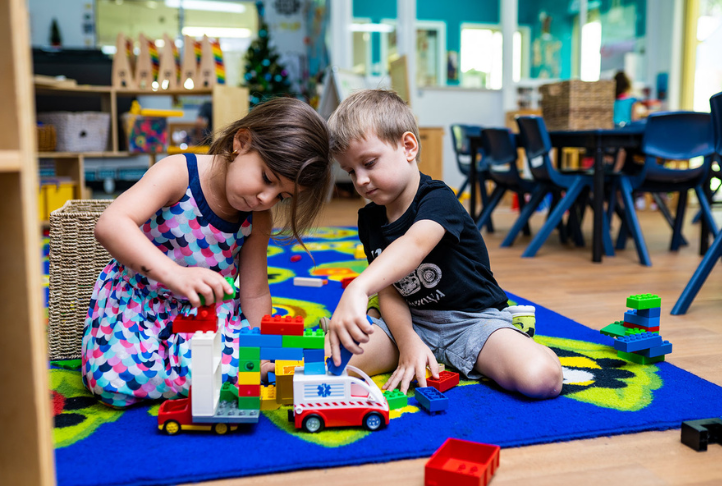
Many people think that when children play, they’re just having fun. In reality, play is a powerful learning tool. Through play, children develop critical social, emotional, and cognitive skills. Activities such as building with blocks, exploring sensory materials, or engaging in imaginative play help children learn problem-solving, communication, and cooperation, all while having fun.
Myth 2: “Children are too young to benefit from structured programs”
Some parents worry that structured learning isn’t appropriate for young children. Modern early childhood programs, however, balance gentle structure with flexibility. Teaching and learning strategies such as the Abecedarian Approach Australia (3a) introduce learning through meaningful interactions and responsive routines, giving children the building blocks for literacy, numeracy, and social-emotional skills, all in ways that feel natural and engaging for their age.

Myth 3: “‘Child-led learning’ means children do whatever they want”
Child-led learning is often misunderstood. It doesn’t mean children have no guidance. Instead, it’s about following the child’s interests while providing supportive frameworks and rich learning opportunities. Educators observe, scaffold, and introduce new ideas, helping children explore and develop skills at their own pace while maintaining clear learning goals.

Myth 4: “Early Childhood Education is just babysitting”
High-quality childcare is so much more than supervision. It’s about creating an environment where children feel safe, nurtured, and stimulated. Through intentional teaching strategies, rich play experiences, and strong relationships, Early Childhood Educators actively foster a child’s curiosity, independence, and lifelong love of learning.
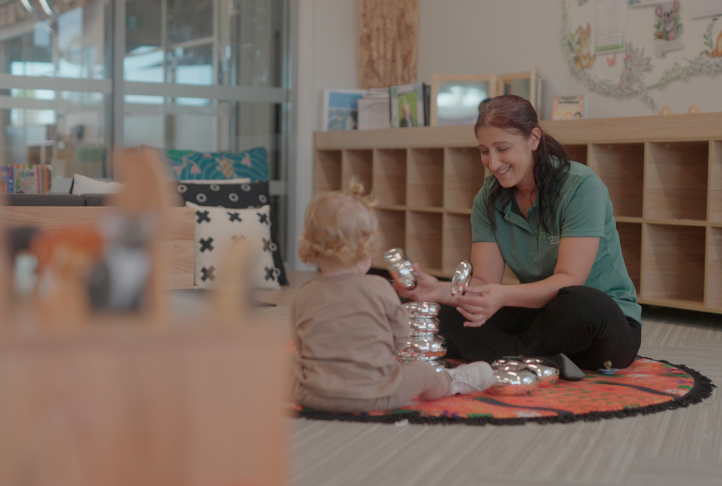
Myth 5: “Children don’t need social skills yet”
Social development starts early. Interacting with peers and adults in a supportive environment helps children learn empathy, turn-taking, conflict resolution, and self-regulation. Early Education settings provide guided social experiences that children can’t easily get on their own at home.
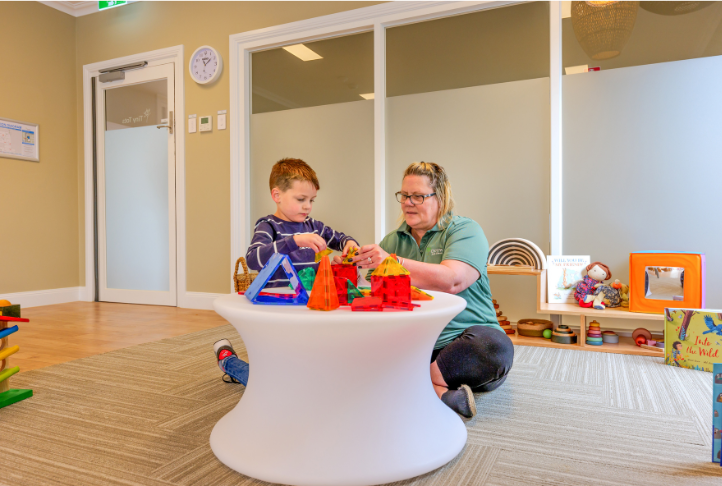
Modern Early Childhood Education is research-backed, intentional, and designed to support every child’s growth. Approaches such as the Abecedarian Approach and play-based learning ensure children are developing academically, socially, and emotionally, all in ways that feel natural, enjoyable, and meaningful.
Across our Grow Early Education centres, we see these principles in action every day. Children serve their own snacks and lunches, help tidy up educational resources, and even prepare their beds for rest time, fostering independence, confidence, and responsibility all while learning through play.
If you’ve ever wondered about the value of Early Education, we invite you to explore our classrooms and see firsthand how children learn, grow, and thrive in a nurturing environment.
Discover how Early Childhood Education could be a great fit for your family by booking a tour of your nearest Grow Early Education centre:
- Grow Early Education Darling Heights
- Grow Early Education Bridgeman Downs
- Grow Early Education Park Ridge
- Grow Early Education Toowoomba
- Grow Early Education Hervey Bay
- Grow Early Education Dalby
- Grow Early Education Riverton
- Grow Early Education Gunnedah
- Grow Early Education Kelso
- Grow Early Education Nowra Central
- Grow Early Education Narre Warren North
- Grow Early Education Heathmont
- Grow Early Education Frankston
- Grow Early Education Tarneit
It is never too early to introduce and encourage independence. When children are given small responsibilities, they not only learn essential life skills but also build confidence, a sense of accomplishment, and a feeling of being capable. Age-appropriate chores are a fantastic way to introduce responsibility and independence in a fun and supportive way.
Chores aren’t just about keeping your home tidy, they’re opportunities for learning. By participating in everyday tasks, children:
- Develop fine and gross motor skills
- Learn to follow instructions
- Build confidence and pride in their abilities
- Practice problem-solving and teamwork
- Gain a sense of responsibility
Even simple tasks can make a big difference. When children are trusted with responsibilities, they feel valued and empowered.
Here are some ways you can match chores to your child’s developmental stage:
Toddlers (2–3 years)
- Put toys back in their place
- Help water plants
- Wipe up small spills
- Place napkins on the table

Preschoolers (4–5 years)
- Set the table for meals
- Help pack away groceries
- Feed pets
- Help with dishes and laundry

Early school age (6–7 years)
- Make their bed
- Help prepare simple meals or snacks
- Take out recycling
- Sweep small areas or dust

- Keep it simple; choose tasks your child can realistically do while making it fun by turning chores into games or challenges. Children thrive within routine, by making sure you remain consistent in the chores helps children to understand the expectations and feel secure.
- Handling Resistance; It’s normal for children to resist chores at first. Offer choices (“Do you want to put the toys away before or after you snack?”) and keep a calm, encouraging tone. Avoid turning chores into power struggles, consistency and gentle guidance work better than pressure.
- Making Chores Enjoyable; Make it a family routine, children often engage more when they see adults participating alongside them. Use songs, timers, or small challenges to turn chores into fun activities.
- Celebrating Progress; Encourage intrinsic motivation by focussing on how proud they feel rather than just rewards. Consider a “chore chart” for older children to visualise their achievements.
- Teaching Problem-Solving; If a child struggles with a task, guide them to figure it out rather than doing it for them. Ask questions such as, “what’s the first thing we need to do to clean up this space?”
- Balancing Expectations; Remember: independence grows gradually, some tasks will be messy or incomplete at first, but that’s part of the learning.
Even small accomplishments deserve recognition! A high-five, sticker, or verbal praise reinforces positive behaviour and encourages children to keep trying. Over time, these small responsibilities grow into lifelong skills and a strong sense of independence.
At our Grow Early Education centres, we see this in action every day when children serve their own lunch and snacks, tidy up after meal times, help prepare their beds for naps, and pack away the educational resources they use throughout the day. These daily routines not only support independence but also foster confidence, responsibility, and pride in their abilities.
Follow us on Facebook to stay up to date with each of our Grow Early Education centres:
- Grow Early Education Darling Heights
- Grow Early Education Bridgeman Downs
- Grow Early Education Park Ridge
- Grow Early Education Toowoomba
- Grow Early Education Hervey Bay
- Grow Early Education Dalby
- Grow Early Education Riverton
- Grow Early Education Gunnedah
- Grow Early Education Kelso
- Grow Early Education Nowra Central
- Grow Early Education Narre Warren North
- Grow Early Education Heathmont
- Grow Early Education Frankston
NAIDOC Week is a time to celebrate the history, culture, and achievements of Aboriginal and Torres Strait Islander Peoples. It’s also an opportunity to educate future generations about the importance of cultural respect and reconciliation. At Grow Early Education, NAIDOC Week holds special significance as we strive to embed cultural understanding into our programs and daily practices.
This year’s theme, “The Next Generation: Strength, Vision & Legacy", inspired meaningful experiences across our centres that honoured traditions, promoted learning, and connected children to the stories and practices of First Nations People.
Connecting to Culture and Country
At Grow Early Education Toowoomba, children participated in a range of experiences that celebrated the rich history and traditions of First Nations Peoples. Activities included collaborative art inspired by Indigenous artists, Dreamtime storytelling sessions, and music and movement with traditional instruments and songs. Educators also supported discussions about the deep connection between people and Country, helping children understand the importance of caring for the land they live on.

Traditional Face Painting
Grow Early Education Bundaberg North explored culture with the children through face painting using markings created with traditional dots and colours. This activity sparked conversations about the meaning behind these markings and their cultural significance, providing children with a hands-on learning experience.

Natural Ochre Painting
At Grow Early Education Darling Heights, children and Educators engaged in a variety of NAIDOC-themed activities such as puzzles and hand flag painting. A highlight of the week was creating natural paint using ochre, a type of rock traditionally crushed into powder and mixed with water to form a vibrant natural pigment. This hands-on process gave children a tactile understanding of traditional art-making techniques and the cultural importance of natural resources.

Exploring Indigenous Symbols
Grow Early Education Heathmont focused on teaching children about Indigenous symbols and their meanings. Using flashcards for reference, children practised replicating these symbols through mark-making activities, supporting both fine motor skill development and cultural learning.

Community Showcase and Bush Tucker
To close out NAIDOC Week, Grow Early Education Hervey Bay hosted a showcase event for families. This celebration featured a display of NAIDOC-themed artwork created throughout the week and included an array of Aboriginal-inspired food incorporating traditional flavours such as native berries and lemon myrtle. It was a wonderful way to bring families together to reflect on culture, history, and the children’s learning.

Collaborative Aboriginal Flag
At Grow Early Education Kelso, children worked together to create a large-scale Aboriginal flag using cut pieces of red, black, and yellow paper. This collaborative project not only celebrated NAIDOC Week but also promoted teamwork and pride in cultural expression.

We are proud to create an environment that encourages and nurtures the next generation to be culturally aware, respectful, and inclusive. Celebrating NAIDOC Week is one of the many ways we strengthen these values in our programs and ensure children grow up with an appreciation for the rich history and ongoing contributions of First Nations peoples.
At Grow Early Education, cultural learning is embedded into everyday practice, not just during NAIDOC Week. We believe that education plays a powerful role in reconciliation and building a brighter, more inclusive future.
Find out more about our approach to early childhood education and book a tour at your nearest centre here.

Stay up to date with our centres to see how they celebrate and acknowledge Indigenous and Torres Strait Islander cultures throughout the year.
- Grow Early Education Bushland Beach
- Grow Early Education Bundaberg North
- Grow Early Education Darling Heights
- Grow Early Education Bridgeman Downs
- Grow Early Education Park Ridge
- Grow Early Education Toowoomba
- Grow Early Education Hervey Bay
- Grow Early Education Dalby
- Grow Early Education Riverton
- Grow Early Education Gunnedah
- Grow Early Education Kelso
- Grow Early Education Nowra Central
- Grow Early Education Narre Warren North
- Grow Early Education Heathmont
- Grow Early Education Frankston
At Grow Early Education, we love sparking creativity in every season, and winter is no exception! With the cold weather well and truly upon us, it’s the perfect excuse to rug up indoors and enjoy some cosy craft time with your little ones. Arts and crafts support fine motor development, creativity, and imagination, and best of all, they’re loads of fun!
In this week's blog, we have compiled some of our favourite winter-themed craft ideas to try at home with your child.
Winter Sensory Snowflakes
Use cotton balls, wool, or tissue paper to create soft and textured snowflakes. Cut or outline snowflake shapes using cardboard or thick paper and let your child glue soft materials onto them for a sensory experience. This activity encourages sensory development and fine motor skills.

Puffy Paint Snow Scenes
Mix equal parts shaving cream and white glue to create your very own puffy paint. Use it to design a wintery scene, think snow-covered trees, mountains, or imaginary snow creatures! This is a great activity to develop creative expression and cause-and-effect learning.

DIY Pine Cone Creatures
During your next nature walk, collect pine cones and other natural elements to turn into little creatures! You can add googly eyes, felt, or even pipe cleaners to bring imaginations to life. This activity supports nature exploration and imaginative play.

Snowy Tree Collage
Create a winter tree by gluing twigs or tree cutouts to a sheet of paper, using cotton balls, white paint, or glitter, simulate how the snow would fall. You could also use a sponge to dab on “snowflakes.” Participating in this activity can foster skills around creativity and storytelling.

Arts and crafts are so much more than just fun for little ones, they’re a vital part of early childhood development. Craft activities help children build fine motor skills, develop hand-eye coordination, and express their emotions in a creative and meaningful way. Through simple materials and open-ended exploration, children learn to problem-solve, experiment, and share their ideas with confidence. Whether at home or in our centres, craft time is a wonderful way to nurture imagination, connection, and learning!
Stay up to date with our Grow Early Education centres and see how we incorporate art into our everyday curriculum.
- Grow Early Education Bushland Beach
- Grow Early Education Bundaberg North
- Grow Early Education Darling Heights
- Grow Early Education Bridgeman Downs
- Grow Early Education Park Ridge
- Grow Early Education Toowoomba
- Grow Early Education Hervey Bay
- Grow Early Education Dalby
- Grow Early Education Riverton
- Grow Early Education Gunnedah
- Grow Early Education Kelso
- Grow Early Education Nowra Central
- Grow Early Education Narre Warren North
- Grow Early Education Heathmont
- Grow Early Education Frankston
Whether it be muddy, gloopy, or messy, we LOVE sensory play at our long daycare centres.
Sensory play is a fundamental part of early childhood development and at our childcare centres, we embrace the mess and magic of sensory trays to create hands-on, engaging experiences for children of all ages.
From the squish of jelly to the crunch of leaves, sensory trays offer children the opportunity to explore textures, sounds, smells, and even tastes in a safe and fun environment.
In this week's blog, we are showcasing how these engaging provocations can support brain development, fine motor skills, and creativity in young children while encouraging holistic development.
The Benefits of Sensory Trays:
- Brain Development: Sensory input helps build nerve connections in the brain’s pathways, enhancing memory, reasoning, and problem-solving skills.
- Fine Motor Skills: Scooping, pouring, pinching, and grasping all help children strengthen the muscles in their hands and fingers.
- Language Growth: Descriptive words fly around the room as children talk about what they feel, see, and smell.
- Emotional Regulation: Sensory play can be calming and therapeutic, helping children self-regulate and manage big emotions.
- Imaginative Play: With each new tray setup, children create stories, pretend scenarios, and explore their creativity.
At our Grow Early Education centres, our Educators use sensory trays to reflect seasonal themes, cultural learning, and educational topics. Here are just a few we’ve loved recently:
Grow Early Education Dalby:
The children at Grow Early Education Dalby recently enjoyed a bright and colourful Easter-themed “scoop and pour” tray. This tray was part of the centre’s Easter celebrations and provided a fantastic opportunity for children to practice pouring, sorting, and scooping.
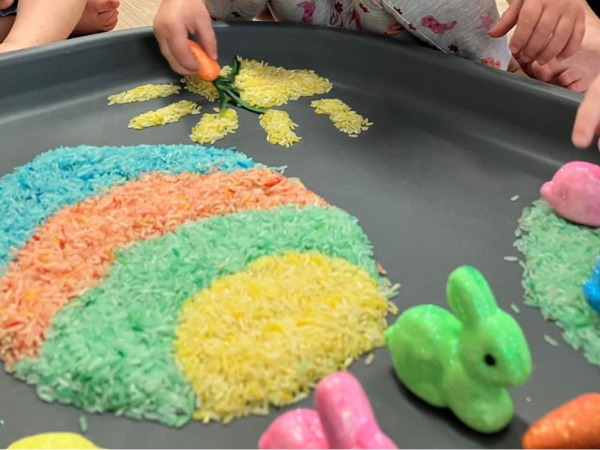
Grow Early Education Darling Heights:
The Toddler Classroom were further introduced to literacy concepts as Educators set up an ocean-themed alphabet sensory tray. Children were able to create sandcastle letters as they explored a number of colours and textures, and ocean animals.
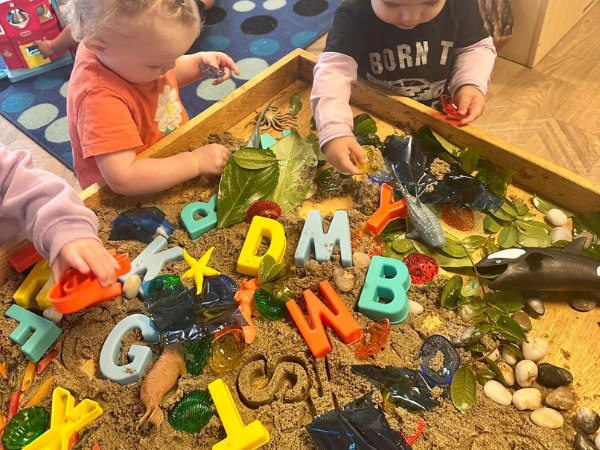
Grow Early Education Narre Warren North:
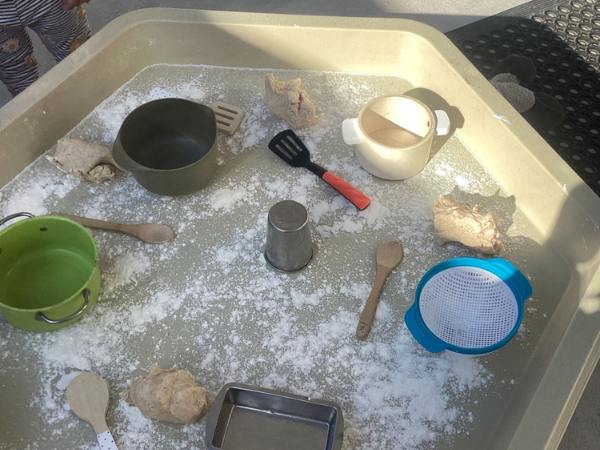
Educators were observing children's play habits within their child-initiated classroom time and discovered that the children were spending a lot of time in the home corner. To further extend on their interests, Educators set up a baking-themed sensory tray that allowed the children to experience utensils and ingredients through their senses.
Grow Early Education Bushland Beach:
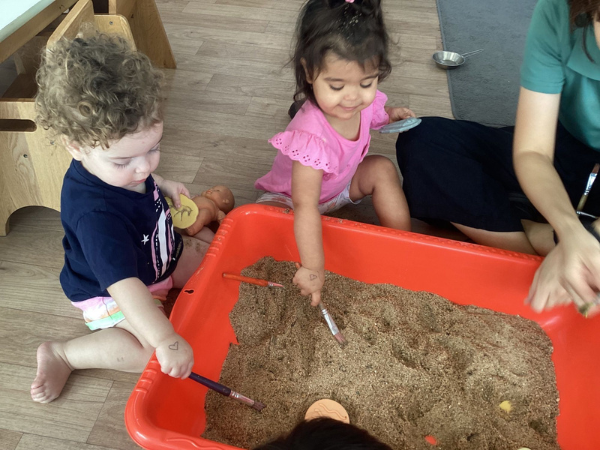
As part of the Grow Early Education curriculum exploring dinosaurs, our Educators created an exciting, age-appropriate sensory experience for the Tiny Tots Classroom. The children used paintbrushes to gently dust away sand and uncover hidden dinosaur fossils, just like real palaeontologists! This hands-on activity sparked curiosity, encouraged fine motor skills, and brought the prehistoric world to life.
Grow Early Education Gunnedah:
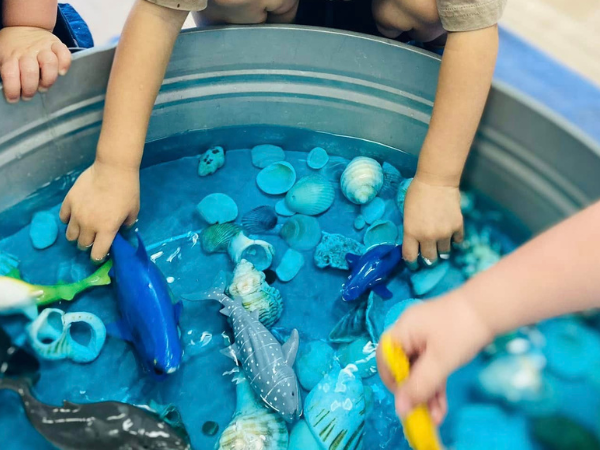
At Grow Early Education Gunnedah, our Educators thoughtfully build sensory-themed trays based on the children’s interests. Recently, they created a vibrant, ocean-themed sensory tray filled with a variety of textures and shades of blue. This immersive experience allowed the children to explore and learn about the fascinating underwater world through sensory play that stimulates curiosity and imagination.
Sensory play isn’t just fun, it’s foundational. Our Educators love designing trays that are not only exciting for children, but meaningful too. Whether it's a celebration of culture, a holiday event, or an everyday exploration of science and nature, there’s always something new to discover with a sensory tray.
Interested in trying your own tray setup at home? Here are some simple sensory tray ideas to try:
- Ocean Adventure: Blue jelly, shells, toy sea creatures, and seaweed (green spaghetti).
- Construction Site: Crushed Weet-Bix or Coco Pops as “dirt,” trucks, pebbles, and cones.
- Rainbow Rice Art: Layered colourful rice with scoops, funnels, and paintbrushes for mixing and creating.
- Fruit Exploration Tray: Citrus slices, spoons, and bowls of water for squishing and squeezing.
Stay up to date with our centres on Facebook to see what sensory play trays they create next!
- Grow Early Education Bushland Beach
- Grow Early Education Bundaberg North
- Grow Early Education Darling Heights
- Grow Early Education Bridgeman Downs
- Grow Early Education Park Ridge
- Grow Early Education Toowoomba
- Grow Early Education Hervey Bay
- Grow Early Education Maroochydore
- Grow Early Education Dalby
- Grow Early Education Riverton
- Grow Early Education Gunnedah
- Grow Early Education Kelso
- Grow Early Education Nowra Central
- Grow Early Education Narre Warren North
- Grow Early Education Heathmont
- Grow Early Education Frankston
