Vegetables are an important part of a balanced diet, especially for young, growing children, but convincing little ones to eat them can be a daily challenge for many families. At Grow Early Education, we’re always looking for fun, creative ways to support healthy eating habits, and hidden vegetables are one of our favourites!
Children can be very selective eaters, especially when it comes to unfamiliar textures, colours, or flavours. By incorporating vegetables into meals in a sneaky yet nutritious way, children still receive the benefits of vitamins, minerals, and fibre, often without even realising they’re eating something “green.”
Hidden vegetables are also a great stepping stone towards helping fussy eaters become more familiar with the flavours of vegetables, while reducing the stress of mealtimes.

Moroccan Beef and rice with plenty of hidden nutrients at Grow Early Education Toowoomba
At Grow Early Education, our Centre Chefs and Educators know how to turn fussy mealtimes into vegetable victories. Here are some of our favourite ways we include hidden veggies in everyday meals:
Veggie-packed brownies – Grated carrot, zucchini, pumpkin, and even spinach are blended into brownie mixture.
Muffins with a twist – Carrot and zucchini muffins are a big hit with little tastebuds and a smart way to add extra fibre.
Homemade pizza with blended vegetable bases – We love using vegetable-rich tomato sauces on pizza. Children typically also have the option to add mushrooms, pineapple, capsicum, and other colourful fruits and vegetables to their toppings as well.
At Grow Early Education, our approach to healthy eating isn’t just about what's on the plate, it’s also about how children feel about food. We create a positive mealtime environment where children are encouraged to try new things without pressure. Through hands-on gardening activities, children plant seedlings, nurture them as they grow into herbs, fruits, and vegetables, and then help harvest and cook with them. When children are involved in the process from garden to plate, they feel proud of their contribution and are far more likely to taste and enjoy the final dish.

Children at Grow Early Education Tarneit making apple and cinnamon muffins for afternoon tea
We also use every opportunity to talk about food in fun and engaging ways such as discussing colours, shapes, and even where veggies come from. Through play-based learning, gardening activities, and sensory experiences, children build positive associations with healthy food.

Creating rainbow pizzas with a range of fruits and vegetables at Grow Early Education Frankston
Hidden vegetables are a great place to start, but the ultimate goal is helping children appreciate vegetables in all their crunchy, colourful glory. By combining creative cooking with positive food experiences, Grow Early Education supports children in building a healthy relationship with food that lasts a lifetime.
Follow us on Facebook to see other ways our Grow Early Education centres incorporate healthy eating habits into everyday curriculums.
- Grow Early Education Bushland Beach
- Grow Early Education Bundaberg North
- Grow Early Education Darling Heights
- Grow Early Education Bridgeman Downs
- Grow Early Education Park Ridge
- Grow Early Education Toowoomba
- Grow Early Education Hervey Bay
- Grow Early Education Dalby
- Grow Early Education Riverton
- Grow Early Education Gunnedah
- Grow Early Education Kelso
- Grow Early Education Nowra Central
- Grow Early Education Narre Warren North
- Grow Early Education Heathmont
- Grow Early Education Frankston
As the school holidays roll around and the winter chill sets in, many families find themselves wondering how to keep their school-aged children happy, active, and engaged. That’s where Grow Early Education's Winter Vacation Care Program comes in!
Our Vacation Care Programs are available at select Grow Early Education centres across Australia, offering a warm and welcoming space where children can enjoy fun-filled experiences, socialise with peers, and take part in exciting, educational activities.
Whether you’re a working parent looking for full holiday care or just want your child to enjoy a few days of adventure, our long daycare centre's Vacation Care options are here to support you and your family.
Winter Vacation Care at Grow Early Education is a school holiday program designed for primary school children aged 5 to 12 years. Run by qualified and caring Educators, the program features a thoughtfully curated schedule of seasonal fun; think winter crafts, themed dress-up days, sports, science experiments, cooking, and more!
Our programs are held at our purpose-built, long daycare centres, giving families the flexibility of longer opening hours, nutritious meals provided, and a safe environment that feels like a home away from home.
Why Choose Grow Early Education's Vacation Care?
✅ Flexible hours: Our centres are open extended hours to suit working families (most centres are open 6:30am to 6:30pm)
✅ All meals included: Nutritious breakfast, lunch, and snacks prepared fresh daily by our in-house chef
✅ Engaging activities: From winter STEM experiments to games, cooking, and art
✅ Experienced Educators: Children are supported by trained and caring professionals
✅ Safe, inclusive spaces: Designed to make every child feel welcome and valued
✅ Casual bookings available: You don't need to be enrolled in our centre prior to enjoy our Vacation Care Program

Participating Centres and What’s On These Holidays
Here’s a sneak peek at some of the exciting programs on offer at our participating centres this winter:
Grow Early Education Toowoomba:
Grow Early Education Toowoomba are offering children a variety of age-appropriate adventures, including Teddy Bear Picnics, Superhero Dress-Up Days, and Scavenger Hunts. The Program is designed to spark imagination, encourage social play, and keep children active and engaged throughout the whole school holidays. Find the whole list of adventures planned here!
Grow Early Education Heathmont in Melbourne:
At Grow Early Education Heathmont, children are stepping into the world of science with a range of exciting STEM-based activities during these school holidays. From kitchen science to explosive experiments, little learners will explore messy, sensory-rich, and thought-provoking experiences that ignite curiosity and creativity. Find the full list of vacation care activities for Heathmont here!
Grow Early Education Tarneit in Melbourne:
Grow Early Education Tarneit are turning up the energy this winter with a special visit from Little Sports Heroes! The team are gearing up for fun sports and active play days designed to keep children staying warm and cozy through the chilly winter. Check out the full list of children's activities here!
Grow Early Education Narre Warren North in Melbourne:
Step into a magical Winter Wonderland at Narre Warren North as the centre celebrates Christmas in July! Children will be busy crafting festive decorations by building snowmen, creating snowflakes, and making their very own cheeky elf. It’s a joyful, creative experience that captures the magic of the season and keeps little hands busy with holiday cheer. See the full list of Winter cheer here!

Our Vacation Care Programs are built around fun, safety, and nurturing relationships between Educators and fellow peers. Whether your child loves getting messy with arts and crafts or playing together in team games, our upcoming winter vacation care program has something for every child!
Give our Enrolments Team a call today on 1300 934 769 to secure your child's place. Casual bookings and full-time bookings are now available.
Learn more about our Vacation Care Program here.
Choosing the right Kindergarten or Preschool Program for your child is an important decision, especially when balancing work; family life; and preparing your child for formalised schooling; all need to be considered. That’s why our Kindergarten and Preschool Programs are thoughtfully designed and led by Bachelor degree-qualified Teachers, to deliver educational excellence and a school readiness program - all with the convenience of long day care hours.
Led by university-qualified Early Childhood Teachers and guided by the approved Early Years Learning Framework (EYLF), our programs provide children with strong foundations for school and lifelong learning, all within a nurturing early education environment.
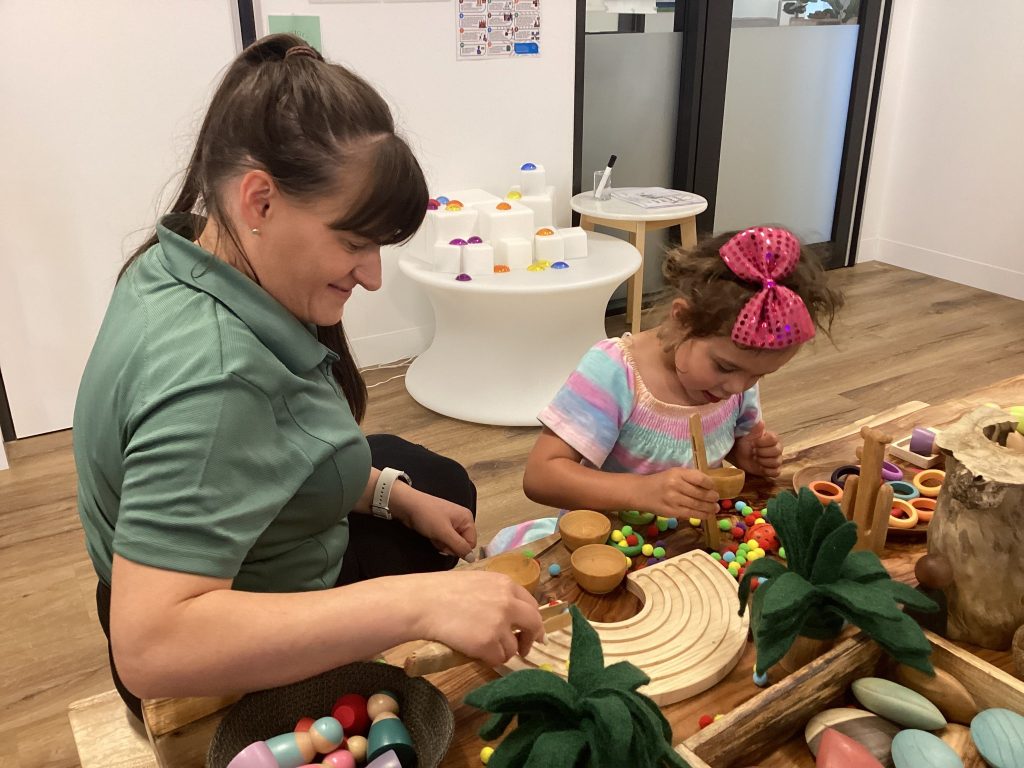
Why Choose Grow Early Education's Kindergarten or Preschool Program?
At Grow Early Education, our Kindergarten and Preschool Programs are designed to support busy families while still delivering a high-quality, government-approved early learning curriculum.
Here’s how Grow Early Education's Kindergarten or Preschool Program can be the perfect fit for your family:
- Long hours for working families: Enjoy extended care from early mornings to late afternoon, perfect for working parents or those with full schedules.
- 'Free' kindergarten or fee relief for Preschool for eligible children: Take advantage of Government funding, which means eligible children can attend 'Free' Kindergarten in Victoria and Queensland or receive fee relief for our Preschool Programs in New South Wales.

- Approved curriculum and added flexibility: Our program meets all of the educational requirements in a flexible, long day care environment. That means:
✅ flexibility for the number of hours and days you want your child to attend
✅ All-inclusive daily fees (meals, nappies, excursions, extra-curriculars, and access to our family communication app all in one fee)
✅ Year-round care, including school holidays
- A focus on key learning goals: We have been in consultation with local schools and they have guided us on the learning goals for children, that will assist them in their transition to formal school:
- Toileting – I can use the toilet and wash my hands by myself.
- Independence – I can open up my lunch box and fill up my own water bottle. I can dress and undress myself such as putting on my own shoes and hat.
- Emotional Skills – I can communicate my wants and needs.
- Name Writing & Recognition – I can recognise my name and attempt to write it.
- Cognitive Abilities – I can retell a story or event. I can solve problems on my own.
- Literacy & Numeracy Skills – I can recognise some letters and sounds. I can recognise some numbers. I can recognise some shapes.
- Social Skills Awareness – I can take turns with others. I can wait in line and follow instructions. I can ask and answer questions to take part in conversations.
- Fine Motor Skills – I can hold a pencil and crayon. I can cut and use scissors safely.
- Whole Body Listening – I can sit on the mat to participate in group time with my friends and teacher. I can actively take part in group learning.
- Formal discussions and transition statements: A formal discussion between parents and the teacher is held at the end of the year to support each child’s transition to school by collaboratively creating a transition statement. This strengths-based statement provides a snapshot of the child’s knowledge, skills, and dispositions across the five learning and development areas.
- School readiness initiatives to ease nerves: To help your child feel confident and excited about formalised school structures, we introduce regular school readiness initiatives. These could include fun and practical activities such as:
- Lunchbox days where children practice opening their own containers and eating from a packed lunch
- Uniform days where children wear their school uniforms, helping them prepare for daily routines and independence
- Visits to local schools across the year as part of your child’s transition to school process
- School-like routines such as sitting in group time, following simple instructions, and increasing independence with toileting and self-care
- Education-Focused: Children learn through play and structured learning activities in line with the Early Years Learning Framework (EYLF), led by qualified Early Childhood Teachers.
- Reduced transition stress: If your little one already attends one of our centres, our Kindergarten and Preschool Programs are delivered within the same nurturing environment your child already knows and loves. With consistent Educators, familiar routines, and strong peer relationships, children experience a smooth and secure learning journey. This continuity supports emotional well-being, builds confidence, and allows your child to fully engage in their day, without the added stress of adapting to multiple environments.
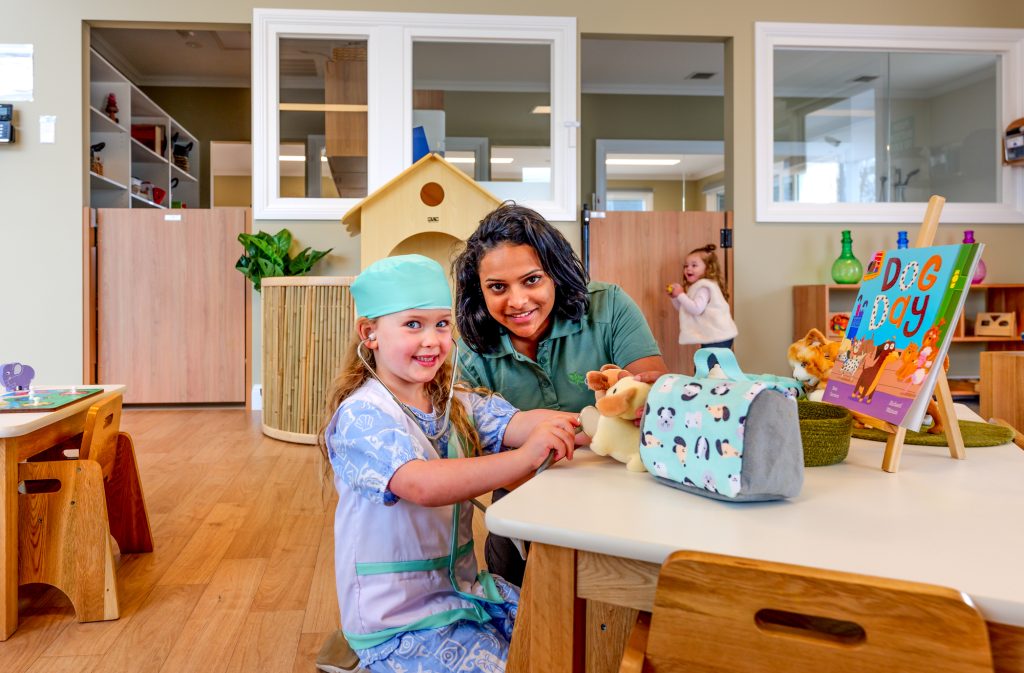
Planning ahead? We are now taking enquiries for our 2026 Kindergarten or Preschool Program. Register your interest today to secure your child’s place and give them a strong educational foundation.
Follow us on Facebook to stay up to date!
- Grow Early Education Bushland Beach
- Grow Early Education Bundaberg North
- Grow Early Education Darling Heights
- Grow Early Education Bridgeman Downs
- Grow Early Education Park Ridge
- Grow Early Education Toowoomba
- Grow Early Education Hervey Bay
- Grow Early Education Maroochydore
- Grow Early Education Dalby
- Grow Early Education Riverton
- Grow Early Education Gunnedah
- Grow Early Education Kelso
- Grow Early Education Nowra Central
- Grow Early Education Narre Warren North
- Grow Early Education Heathmont
- Grow Early Education Frankston
As the cooler months approach, it’s the perfect time to focus on keeping little ones feeling their best through healthy habits and seasonal care. At our Grow Early Education centres, we prioritise winter wellness by focusing on three key areas: sleep (or rest), nutrition, and immune support. These pillars help ensure your child stays happy, healthy, and thriving throughout the season.
In today’s blog, we are digging into these three key elements to best assist you in navigating the upcoming cold and flu season.
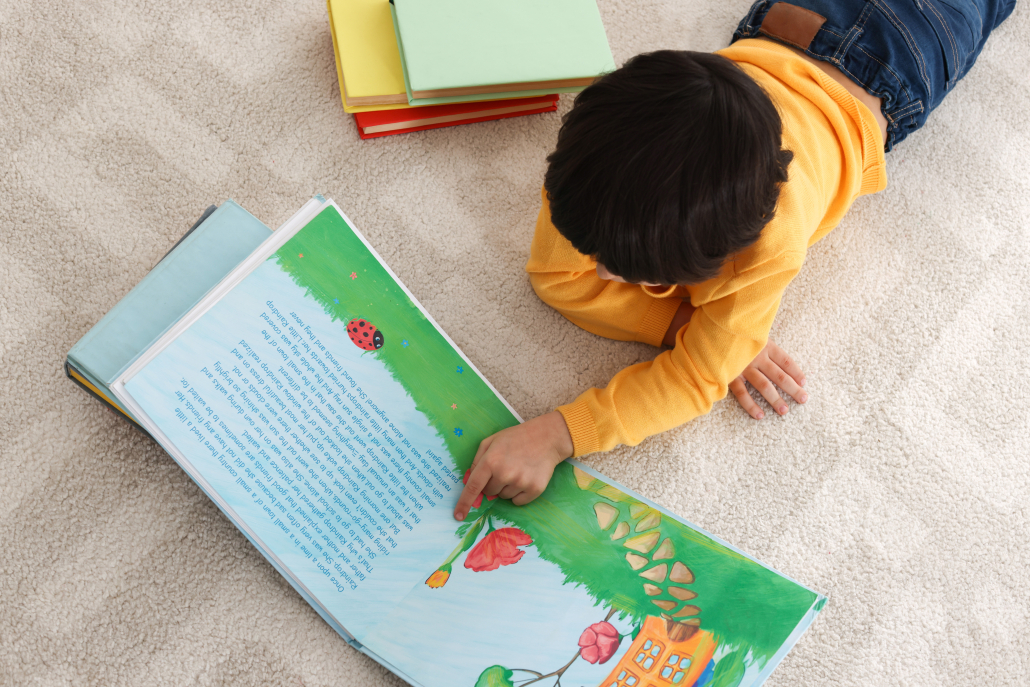
Sleep: The Foundation of Good Health
Quality sleep is essential for the development and immune function of young children. During winter, shorter days and colder mornings can disrupt sleep routines. Here’s how we help support better sleep:
- Consistent nap times: We follow a predictable daily routine, helping children feel secure and ready to rest.
- Cosy nap environments: Warm, quiet spaces with soft lighting encourage restful naps during chilly days.
- Wind-down routines: Gentle music and story time before naps help children transition calmly to sleep.
We also work closely with families to support consistent sleep patterns at home, especially during the winter when routines can shift.
Nutrition: Fuelling Little Bodies
Good nutrition plays a huge role in keeping children well during winter. At our centre, we focus on:
- Warm, nourishing meals: Think veggie-packed soups, casseroles, and pastas—perfect for chilly days.
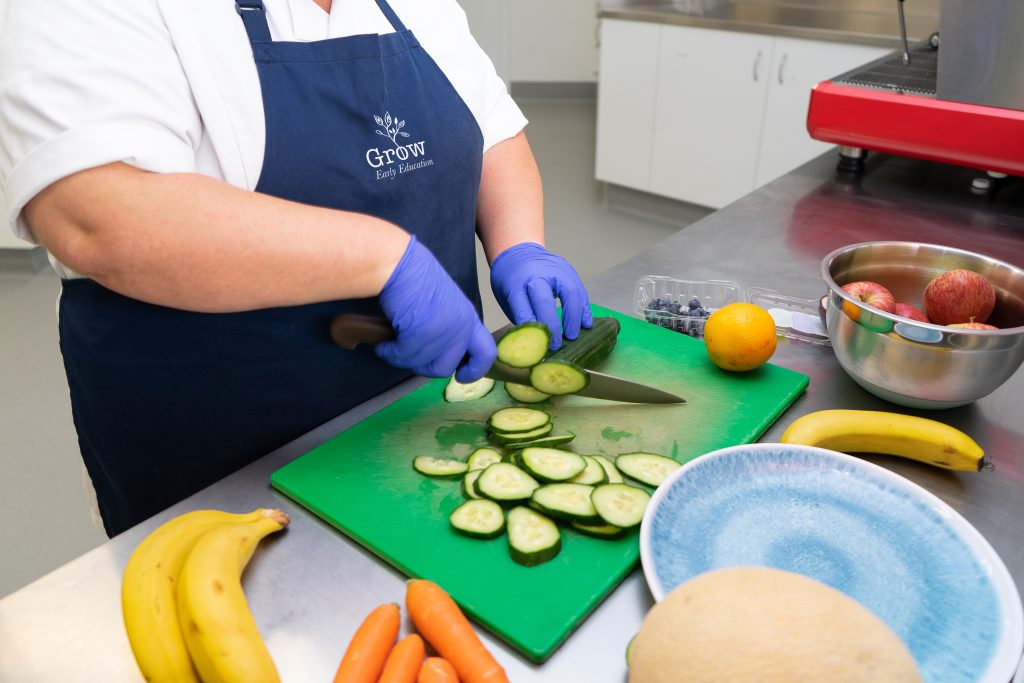
- Seasonal fruits and vegetables: We use fresh, seasonal produce such as mandarins, kiwifruit, broccoli, and sweet potatoes to boost vitamin intake.
- Hydration reminders: Even in cooler weather, we encourage regular water intake to support overall health.
We also promote hands-on experiences through cooking and food-based learning activities to help children build positive associations with healthy eating. Our centre Chefs ensure that all children are enjoying over 50% of their daily nutritional intake while at our centres, regardless of children’s dietary requirements.
Immune Support: Boosting Resilience Naturally
While winter often brings an increase in colds and sniffles, there are gentle ways to strengthen children’s immune systems:
- Outdoor play: Even in winter, fresh air and movement are essential for wellbeing, so we rug up and head outside whenever possible!
- Handwashing habits: We practice and teach proper handwashing to reduce the spread of germs.
- Rest and recovery: We work with families to encourage children to stay home when unwell, helping prevent the spread of illness and support healing.
We also stay up to date with local health advice and communicate proactively with families during peak illness periods.
Winter is a wonderful time for cosiness, connection, and growth. By focusing on sleep, nutrition, and immunity, we help your child enjoy a season of wellness and fun. If you have questions or need support with winter routines at home, our Educators are here to help.
Follow us on Facebook to see how our Grow Early Education centres incorporate and support winter wellness into their curriculums and daily routines.
- Grow Early Education Bushland Beach
- Grow Early Education Bundaberg North
- Grow Early Education Darling Heights
- Grow Early Education Bridgeman Downs
- Grow Early Education Park Ridge
- Grow Early Education Toowoomba
- Grow Early Education Hervey Bay
- Grow Early Education Maroochydore
- Grow Early Education Dalby
- Grow Early Education Riverton
- Grow Early Education Gunnedah
- Grow Early Education Kelso
- Grow Early Education Nowra Central
- Grow Early Education Narre Warren North
- Grow Early Education Heathmont
- Grow Early Education Frankston
At Grow Early Education, we believe that learning goes far beyond the classroom, and one of the most powerful lessons begins right in the garden. As part of our all-inclusive childcare programs, gardening is a key component of our curriculum for children across all of our classrooms. Through our hands-on gardening lessons, children are learning valuable life lessons on curiosity, wellbeing, and healthy habits.
Gardening provides a wealth of benefits during the early learning years, from Toddlers exploring the textures in the soil to Kindergarten and Preschoolers nurturing growth from seeds through to harvest. This type of sensory-rich, outdoor activity supports holistic development across physical, cognitive, social, and emotional skillsets.
Here’s how gardening at our childcare centres helps young children thrive:
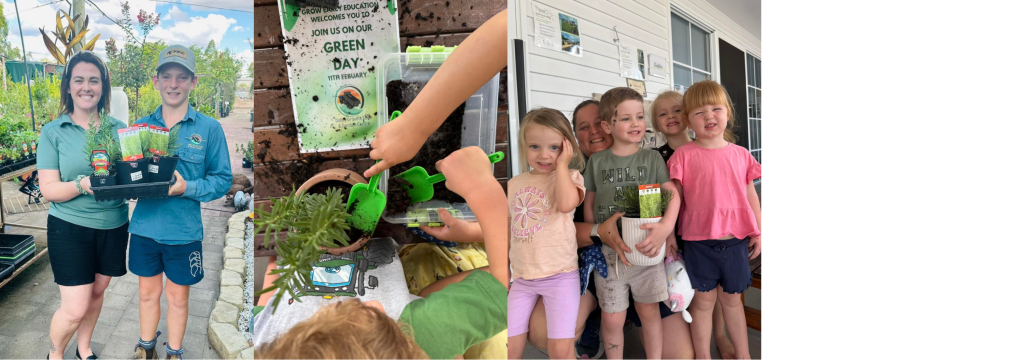
Physical Development
Digging, planting, watering, and harvesting help build fine and gross motor skills. Children develop strength, coordination, and dexterity while staying active and engaged outdoors.
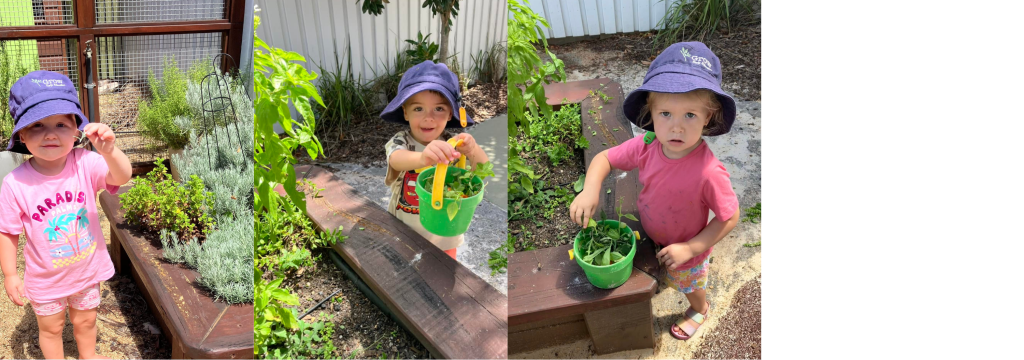
Cognitive Growth
Gardening teaches science in real-time. Children explore plant life cycles, weather patterns, and ecosystems, helping them understand the world around them. They also learn responsibility and patience as they care for their growing plants.
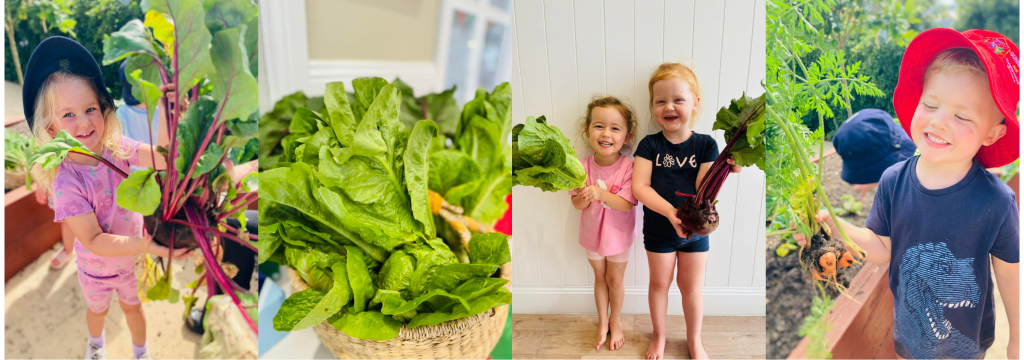
Emotional Wellbeing
Spending time in nature has been proven to reduce stress and increase calmness in children. Gardening builds self-esteem and pride, as children see the results of their efforts bloom and grow.
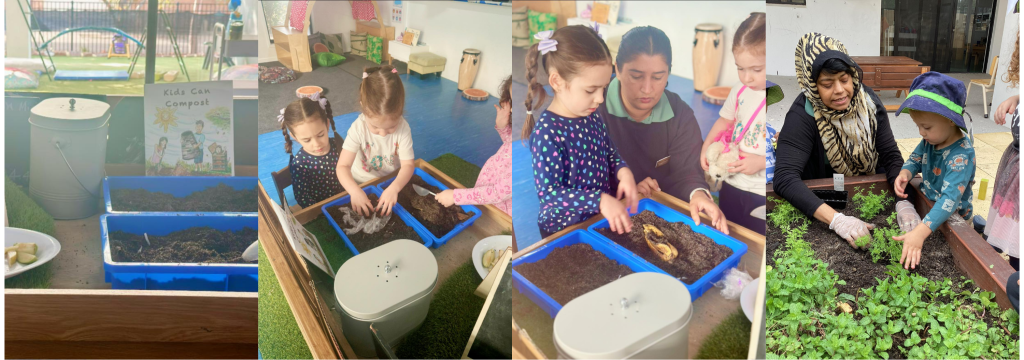
Social Skills
Whether they’re working in teams to tend to a veggie patch or taking turns with watering cans, gardening encourages cooperation, communication, and empathy.
At Grow Early Education, we’re proud to offer gardening experiences at all of our daycare centres as part of our all-inclusive fee structure. That means families can enjoy the benefits of this enriching activity at no extra cost. Our outdoor learning environments are purposefully designed to include edible gardens, flower beds, and even worm farms, giving children a deeper connection to nature and sustainable living.
Our passionate Educators integrate gardening into our daily routines and learning programs, aligning with both the Early Years Learning Framework and the Abecedarian Approach Australia to nurture a love of the environment from an early age.
Whether it’s tasting and smelling the herbs they’ve grown or spotting the first sprout from a seed they planted, children at Grow Early Education are constantly discovering, experimenting, and learning. And as any gardener knows, those early roots make all the difference.
Stay up to date with our Grow Early Education centres on Facebook to see how they use gardening in their everyday curriculums.
- Grow Early Education Bushland Beach
- Grow Early Education Bundaberg North
- Grow Early Education Darling Heights
- Grow Early Education Bridgeman Downs
- Grow Early Education Park Ridge
- Grow Early Education Toowoomba
- Grow Early Education Hervey Bay
- Grow Early Education Maroochydore
- Grow Early Education Dalby
- Grow Early Education Riverton
- Grow Early Education Gunnedah
- Grow Early Education Kelso
- Grow Early Education Nowra Central
- Grow Early Education Narre Warren North
- Grow Early Education Heathmont
- Grow Early Education Frankston
At Grow Early Education, we believe in giving every child the best start to their educational journey. One of the most powerful tools we use in our long day care and kindergarten/Preschool programs is phonics. Phonics is a foundational skill that plays a key role in developing early reading, language, and communication abilities and supports confidence in early childhood.
In this week’s blog, we’re exploring the importance of phonetic sounds and how they help shape confident, capable learners—setting children up for success not only in school but in life.
What is Phonics?
Phonics is the method of teaching children the relationship between sounds and the letters or groups of letters that represent those sounds. Rather than memorising whole words by sight, phonics helps children decode words by sounding them out.
For example:
- A makes the sound “ah” as in apple.
- B makes the sound “buh” as in ball. ⚽
- S makes the sound “sss” as in sun. ☀️
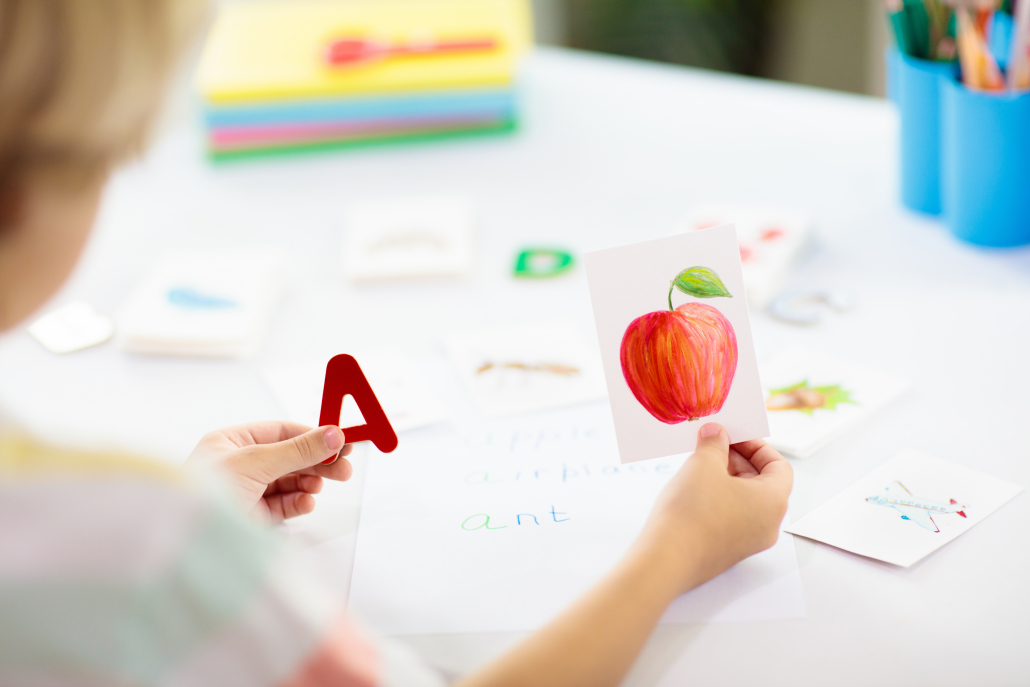
Understanding these sounds gives children the tools they need to decode unfamiliar words, improve their spelling, and become confident readers and communicators.
Research shows that phonics instruction significantly improves children’s reading and writing skills. At Grow Early Education, we understand how critical this stage is in a child’s development. That’s why our qualified Educators and Early Childhood Teachers incorporate phonics and phonemic awareness into our daily routines.
Phonics helps children:
- Recognise and produce individual letter sounds
- Blend sounds together to read new words
- Identify sounds at the beginning, middle, and end of words
- Develop strong vocabulary and comprehension skills
- Grow in confidence and enjoy the process of learning

Our curriculum is guided by the Early Years Learning Framework (EYLF), which emphasises communication, literacy, and language development as key learning outcomes. Phonetic learning aligns beautifully with the EYLF’s vision for children to become confident and effective communicators.
Through play-based learning experiences that are both meaningful and engaging, we provide opportunities for children to explore sounds, language, and storytelling in ways that feel natural and fun.
At Grow Early Education, we also follow the Abecedarian Approach – a research-based teaching method that supports language development through intentional, high-quality interactions. This includes strategies such as:
- Learning Games that promote turn-taking and communication
- Conversational Reading that fosters vocabulary and comprehension
- Language Priority in everyday routines
These strategies complement phonetic learning, helping children not only understand sounds but also use language to express ideas, ask questions, and build relationships.
Families play an important role in supporting their child’s early literacy journey. Here are a few simple ways you can reinforce phonics at home:
- Read with your child every day and talk about the sounds letters make
- Sing songs and nursery rhymes that play with rhyme and rhythm
- Play games like “I Spy” using beginning letter sounds
- Encourage your child to sound out words while reading signs, labels, and books
We are passionate about creating a love for learning that lasts a lifetime. By integrating phonics into our early education program, we empower children to build strong literacy foundations, setting them up for success as they move through kindergarten and beyond.
Discover how we bring the Early Years Learning Framework and the Abecedarian Approach Australia (3a) to life with phonics and more —follow us on Facebook to see meaningful learning in action.
- Grow Early Education Bushland Beach
- Grow Early Education Bundaberg North
- Grow Early Education Darling Heights
- Grow Early Education Bridgeman Downs
- Grow Early Education Park Ridge
- Grow Early Education Toowoomba
- Grow Early Education Hervey Bay
- Grow Early Education Maroochydore
- Grow Early Education Dalby
- Grow Early Education Riverton
- Grow Early Education Gunnedah
- Grow Early Education Kelso
- Grow Early Education Nowra Central
- Grow Early Education Narre Warren North
- Grow Early Education Heathmont
- Grow Early Education Frankston
In recent years, the educational landscape has witnessed a significant shift towards play-based learning curricula, particularly in early childhood education. This approach recognises the inherent value of play as a fundamental aspect of how children learn and develop. In this blog, we will explore play-based learning, its key principles, and its numerous benefits to young learners.
What is Play-Based Learning?
Play-based learning is an educational philosophy that emphasises the importance of play as a primary mode of learning for children. Unlike traditional, teacher-directed instruction, play-based learning encourages children to engage in hands-on, experiential activities that stimulate curiosity, creativity, and critical thinking. This curriculum is designed to be flexible, allowing children to explore their interests and learn at their own pace.

Key Principles of Play-Based Learning
- Child-Centred Approach: At the heart of play-based learning is the belief that children are active participants in their own learning. Educators serve as facilitators, providing guidance and support while allowing children to take the lead in their exploration.
- Integration of Learning Areas: Play-based curriculum often integrates various learning domains, such as social-emotional, cognitive, physical, and language development. Through play, children can engage in activities that promote multiple skills simultaneously.
- Real-Life Experiences: Play-based learning often involves real-life scenarios and experiences, allowing children to make connections between their play and the world around them. This relevance enhances their understanding and retention of information.
- Collaboration and Social Interaction: Play encourages collaboration and social interaction among children. Through group activities, children learn to communicate, negotiate, and work together, fostering essential social skills.
- Encouragement of Creativity: Play-based learning nurtures creativity by providing children with the opportunities to express themselves through imaginative play, art, music, and storytelling. This creative exploration is vital for cognitive and emotional development.
Benefits of Play-Based Learning
- Enhanced Cognitive Development: Play-based activities stimulate critical thinking and problem-solving skills. Children learn to ask questions, experiment, and find solutions, which are essential cognitive skills for lifelong learning.
- Improved Social Skills: By engaging in cooperative play, children develop social skills such as sharing, empathy, and conflict resolution. These interactions help them build friendships and navigate social dynamics effectively.
- Emotional Growth: Play allows children to express their emotions and experiences in a safe environment. Through role-playing and imaginative scenarios, they can explore feelings, learn self-regulation, and develop emotional resilience.
- Physical Development: Many play-based learning activities involve physical movement, which supports the development of gross and fine motor skills. Activities such as climbing, jumping, and manipulating objects enhance coordination and overall physical health.
- Increased Motivation and Engagement: Play-based learning fosters intrinsic motivation. Children are more likely to engage deeply with activities that they find enjoyable and interesting, leading to a positive attitude towards learning.
- Preparation for Future Learning: The skills acquired through play-based learning set a solid foundation for future academic success. Children develop a love for learning, curiosity, and the ability to think critically, which are essential for their educational journey.

How do we Implement Play-Based Learning in Early Childhood Education?
To effectively implement a play-based learning curriculum, Educators can:
- Create a stimulating environment that encourages exploration and creativity.
- Provide a variety of materials and resources that support different types of play, including sensory play, dramatic play, and construction play.
- Observe and assess children's interests and learning styles to tailor activities that resonate with them.
- Foster a positive and supportive atmosphere where children feel safe to express themselves and take risks in their learning.
- Have fun, engage and play with children. Choose your moments to sit back and observe, actively engage or wait to be invited into the play. Make play-based learning a fun and engaging time for children to have your full attention.
Play-based learning is more than just fun; it is a powerful educational approach that supports holistic development in children. By embracing play as a fundamental part of the learning process, educators can create enriching experiences that foster cognitive, social, emotional, and physical growth. As we continue to recognize the significance of play in education, we pave the way for a generation of curious, confident, and capable learners ready to thrive in an ever-changing world.
Stay up to date with our Grow Early Education centres on Facebook to see what amazing play-based activities Educators incorporate into their daily curricula.
- Grow Early Education Bushland Beach
- Grow Early Education Bundaberg North
- Grow Early Education Darling Heights
- Grow Early Education Bridgeman Downs
- Grow Early Education Park Ridge
- Grow Early Education Toowoomba
- Grow Early Education Hervey Bay
- Grow Early Education Maroochydore
- Grow Early Education Dalby
- Grow Early Education Riverton
- Grow Early Education Gunnedah
- Grow Early Education Kelso
- Grow Early Education Nowra Central
- Grow Early Education Narre Warren North
- Grow Early Education Heathmont
- Grow Early Education Frankston
Embarking on the journey of childcare can be both exciting and daunting for parents. As you prepare to transition your child into a childcare setting, it’s important to understand what to expect, how to choose the right service, and the myriad benefits that childcare offers for your child's development. This guide aims to simplify the process and provide essential insights.
What to Expect When Starting Childcare:
- Adjustment Period: The initial days of childcare can be an adjustment for both children and parents. It’s normal for children to experience separation anxiety or hesitation when entering a new environment. Expect some emotional responses, which may include tears or clinginess. With time, most children adapt well to their new routine. Bringing along a comfort item or family photo can assist with the transition. Informing the Educators about your child’s specific interests will help with this transition; this way, they can spark their interest and take this opportunity as a distraction technique.
- Daily Routine: Childcare centres typically have a structured daily schedule that includes activities such as playtime, meals, nap time, and educational sessions. Familiarising your child with this routine can help them feel more secure as they transition. For younger babies and infants, look for centres that cater to your child’s individual routine to minimise disruption between care environments.
- Communication with Caregivers: Regular communication with caregivers is essential. Most childcare centres provide daily reports or updates on your child’s activities, progress, and any concerns. This partnership between parents and caregivers helps ensure that your child's needs are met.
- Health and Safety Protocols: Quality childcare facilities prioritise health and safety. Expect thorough policies regarding hygiene, nutrition, and emergencies. Staff should be trained in first aid and child development, providing peace of mind for parents.

How to Choose the Right Childcare Service:
- Research Options: Start by researching different types of childcare services available in your area, such as daycare centres, family childcare homes, or preschools/kindergartens. Each option has its own advantages, so consider your child’s personality and your family’s needs.
- Visit Facilities: Schedule visits to potential childcare centres. Observe the environment, cleanliness, and safety measures. Pay attention to how Educators interact with the children, as this can reflect the level of care and attention your child will receive.
- Ask Questions: Prepare a list of questions to ask during your visits. Enquire about staff qualifications, child-to-caregiver ratios, daily routines, and how they handle discipline and conflict resolution. Understanding their approach to learning and development is crucial.
- Check References and Reviews: Seek recommendations from other parents and read online reviews. Feedback from other families can provide valuable insights into the quality of care and the experiences of children in that environment.
- Trust Your Instincts: Ultimately, trust your instincts when it comes to choosing a childcare service. If a place feels right for you and your child, it’s likely to be a good fit.

Benefits of Childcare for Children:
- Social Skills Development: One of the primary benefits of childcare is the opportunity for children to socialise with peers. They learn vital social skills, including sharing, cooperation, and conflict resolution, which are essential for building relationships.
- Emotional Growth: Childcare fosters emotional development by allowing children to express their feelings in a supportive environment. Caregivers help children understand and manage their emotions, promoting resilience and emotional intelligence.
- Cognitive Advancement: Engaging activities and structured learning experiences in childcare settings stimulate cognitive development. Children are introduced to concepts such as numbers, letters, and problem-solving through play, setting a strong foundation for future learning.
- Physical Development: Many childcare programs emphasise physical activity, helping children develop their motor skills. Outdoor play and structured physical activities encourage healthy habits and promote overall well-being.
- Preparation for School: Childcare serves as a crucial stepping stone to formal education. Children become accustomed to routines and expectations, helping them transition smoothly into primary school and beyond. Many states across Australia now have state-based Kindergarten/Preschool funding, so be sure to ask about this during your tour!
- Diverse Experiences: Quality childcare exposes children to diverse cultures, languages, and perspectives. This exposure fosters inclusivity and helps children appreciate differences, preparing them for a multicultural world.
Starting childcare can be a significant step for both parents and children. By understanding what to expect, carefully choosing the right service, and recognising the benefits of childcare, you can ensure a positive experience for your child. This journey not only supports their development but also enriches their lives with valuable skills and connections that will serve them well in the future. Embracing this transition with an open mind and heart can lead to a rewarding experience for your entire family.
The Australian Government is making significant changes to the Child Care Subsidy (CCS) to provide more support for families and move towards a universal early education and care system. Announced on 11 December 2024, these changes will take effect from 5 January 2026, ensuring that more families receive subsidised childcare hours.
Key Changes to the CCS in 2026
The new subsidy rules will make childcare more accessible by adjusting how subsidised hours are calculated. Here’s what will change:
Minimum of 3 Days of Subsidised Care per Week for All Families
- All CCS-eligible families will now receive three days of subsidised childcare per week for each child, regardless of their work or study commitments.
- This means that more children will have access to early education and care, supporting their learning and development.
Increased Support for First Nations Families
- Families caring for First Nations children will receive 100 hours of subsidised care per fortnight per child.
- This measure aims to provide greater access to childcare and early education for Indigenous communities, supporting cultural and educational growth.
Additional Support for Working, Training, and Volunteering Families
Families will continue to receive 100 hours of subsidised care per fortnight per child if they:
- Work, train, study, or volunteer for more than 48 hours per fortnight.
- Qualify for an exemption under the CCS rules.
How CCS Eligibility is Determined
While the changes expand access to subsidised care, the actual subsidy percentage families receive will still depend on:
- Combined family income – Higher-income families may receive a lower subsidy rate.
- Hourly rate caps – The government sets limits on the amount of subsidy per hour.
- Number of children in care – Families with multiple children in care may receive additional support.
- Age of children – Different rates apply depending on whether the child is in early learning or school-age care.
What’s Next?
The Australian Government is working with Services Australia to ensure childcare providers and families are prepared for the transition in January 2026. More details and guidance will be provided in the coming months to help families understand how these changes will affect them.
Final Thoughts
The 2026 CCS changes represent a significant step towards making early childhood education more accessible for Australian families. By ensuring that all CCS-eligible families receive at least three days of subsidised care and increasing support for First Nations children, these reforms will ease financial pressures and improve early learning opportunities.
As we approach the rollout, families are encouraged to stay informed and check their eligibility to make the most of these new benefits. Stay tuned for further updates as the government finalises the implementation process!
Stay up to date with our Grow Early Education centres on Facebook!
- Grow Early Education Bushland Beach
- Grow Early Education Bundaberg North
- Grow Early Education Darling Heights
- Grow Early Education Bridgeman Downs
- Grow Early Education Rochedale Central
- Grow Early Education Park Ridge
- Grow Early Education Toowoomba
- Grow Early Education Hervey Bay
- Grow Early Education Maroochydore
- Grow Early Education Dalby
- Grow Early Education Riverton
- Grow Early Education Gunnedah
- Grow Early Education Kelso
- Grow Early Education Nowra Central
- Grow Early Education Narre Warren North
- Grow Early Education Heathmont
- Grow Early Education Frankston
