At Grow Early Education, Reconciliation Week is a time to come together to listen, learn, and reflect. In 2025, we embraced the powerful theme, Bridging Now to Next, with meaningful learning experiences that honoured Aboriginal and Torres Strait Islander history and culture. Across our centres, Educators thoughtfully created opportunities for children to explore, connect, and celebrate through art, music, storytelling, and sensory play.
Here’s a look at how our Grow Early Education centres brought Reconciliation Week to life:
Celebrating Culture and Community at Grow Early Education Hervey Bay
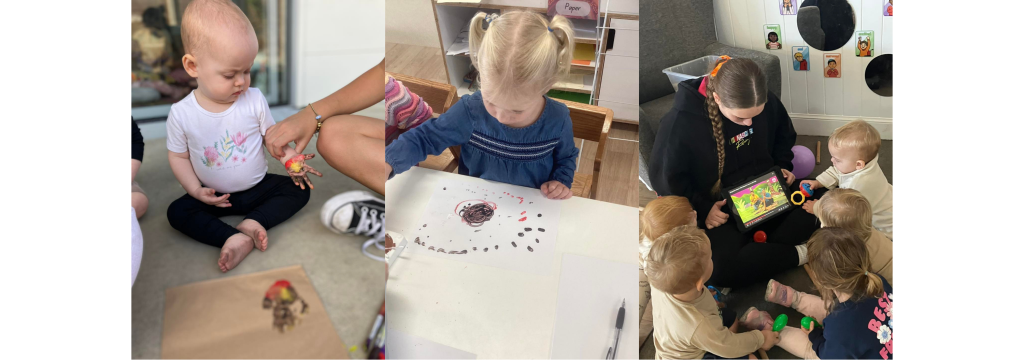
At Hervey Bay, children celebrated Reconciliation Week through a vibrant mix of storytelling, art, and music. They painted the Aboriginal and Torres Strait Islander flags on their hands, created dot paintings, and watched videos of the didgeridoo to deepen their cultural understanding. These engaging experiences fostered a sense of community and connection to Country.
Sensory Play with Purpose at Grow Early Education Dalby
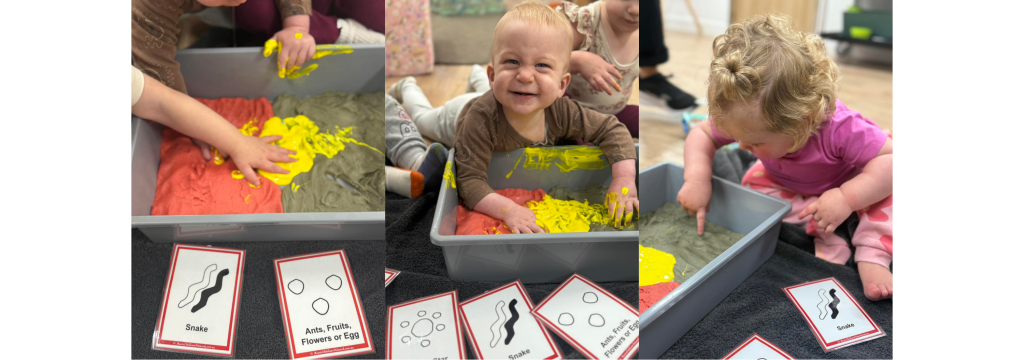
Children at Grow Early Education Dalby explored a unique sensory tray inspired by the Aboriginal flag. With colours and textures designed to spark curiosity, children squished and poked their way through the tray while being introduced to traditional Indigenous markings. Flashcards helped guide the children as they replicated the symbols, promoting conversation and cultural exploration through play.
Natural Connections with the Toddlers at Grow Early Education Toowoomba
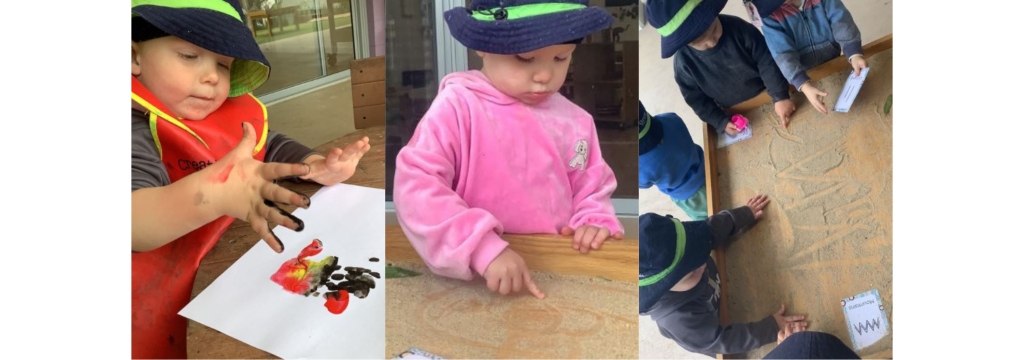
In the Toddler Classroom at Grow Early Education Toowoomba, children engaged in hands-on learning experiences that celebrated Indigenous culture. They practised stamping the Aboriginal flag using their hands and explored colour, patterns, and meaning, while drawing traditional cultural symbols in the sand. These experiences sparked rich, age-appropriate conversations about Reconciliation Week, helping children begin to understand the importance of connection to land, culture, and people.
First Steps in Learning at Grow Early Education Toowoomba's Nursery Classroom
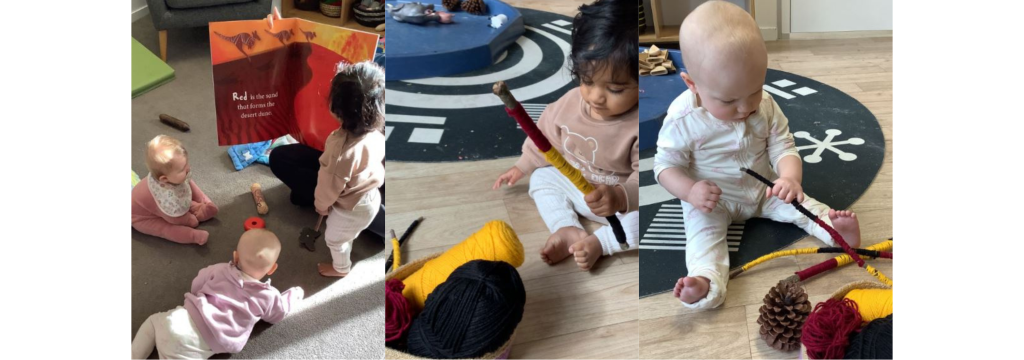
Even our littlest learners in the Nursery were invited to participate in age-appropriate ways. Educators introduced thoughtful books and resources to gently guide conversations around family, land, and connection to Country, laying the foundations for empathy and cultural awareness from the earliest years.
Reconciliation Week at Grow Early Education was a reminder that cultural understanding starts with open hearts and curious minds. Through age-appropriate and meaningful experiences, our Educators continue to embed First Nations perspectives into daily learning, ensuring every child grows up in an environment that values diversity, respect, and unity.
Together—now more than ever—we walk hand in hand toward a future built on truth, connection, and care for all cultures.
Follow us on Facebook to see how our Grow Early Education centres incorporate National Reconciliation Week into their curriculums.
- Grow Early Education Bushland Beach
- Grow Early Education Bundaberg North
- Grow Early Education Darling Heights
- Grow Early Education Bridgeman Downs
- Grow Early Education Park Ridge
- Grow Early Education Toowoomba
- Grow Early Education Hervey Bay
- Grow Early Education Maroochydore
- Grow Early Education Dalby
- Grow Early Education Riverton
- Grow Early Education Gunnedah
- Grow Early Education Kelso
- Grow Early Education Nowra Central
- Grow Early Education Narre Warren North
- Grow Early Education Heathmont
- Grow Early Education Frankston
As the cooler months approach, it’s the perfect time to focus on keeping little ones feeling their best through healthy habits and seasonal care. At our Grow Early Education centres, we prioritise winter wellness by focusing on three key areas: sleep (or rest), nutrition, and immune support. These pillars help ensure your child stays happy, healthy, and thriving throughout the season.
In today’s blog, we are digging into these three key elements to best assist you in navigating the upcoming cold and flu season.
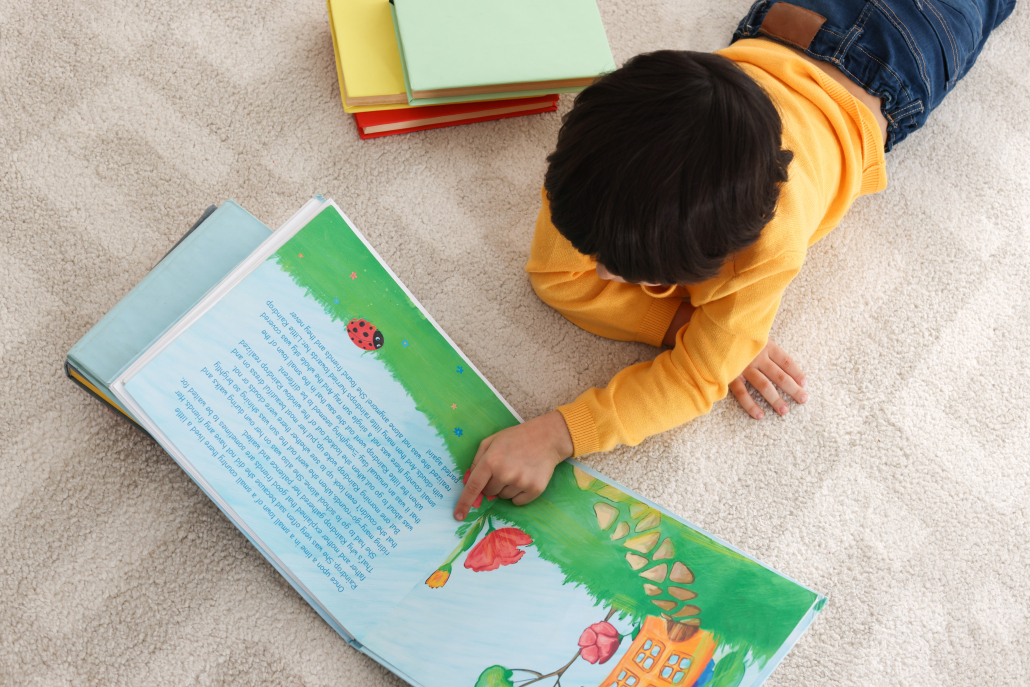
Sleep: The Foundation of Good Health
Quality sleep is essential for the development and immune function of young children. During winter, shorter days and colder mornings can disrupt sleep routines. Here’s how we help support better sleep:
- Consistent nap times: We follow a predictable daily routine, helping children feel secure and ready to rest.
- Cosy nap environments: Warm, quiet spaces with soft lighting encourage restful naps during chilly days.
- Wind-down routines: Gentle music and story time before naps help children transition calmly to sleep.
We also work closely with families to support consistent sleep patterns at home, especially during the winter when routines can shift.
Nutrition: Fuelling Little Bodies
Good nutrition plays a huge role in keeping children well during winter. At our centre, we focus on:
- Warm, nourishing meals: Think veggie-packed soups, casseroles, and pastas—perfect for chilly days.
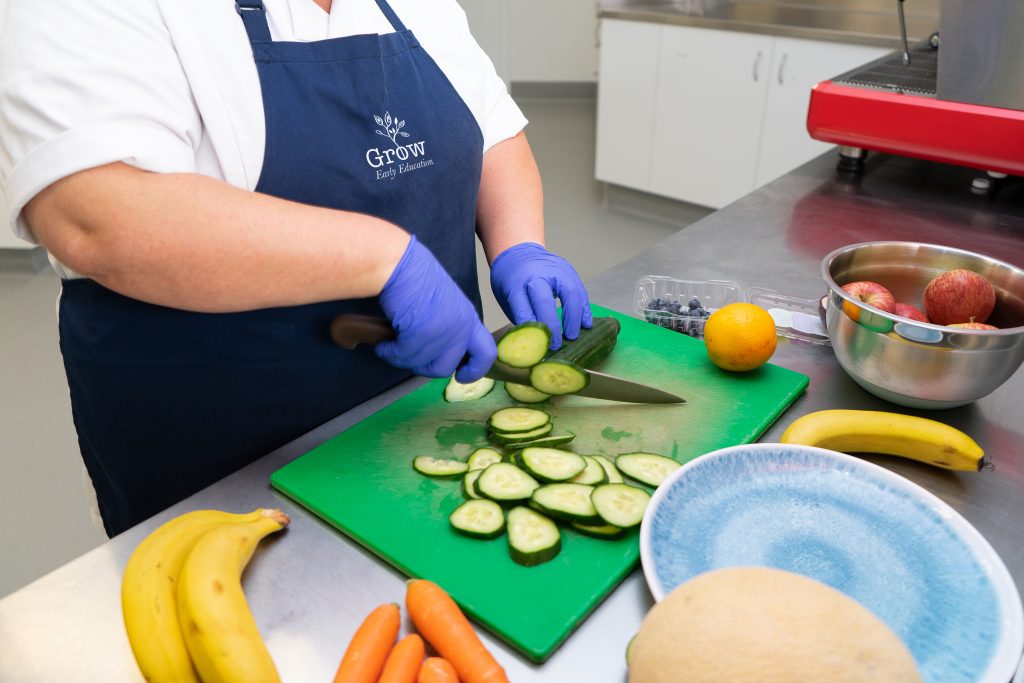
- Seasonal fruits and vegetables: We use fresh, seasonal produce such as mandarins, kiwifruit, broccoli, and sweet potatoes to boost vitamin intake.
- Hydration reminders: Even in cooler weather, we encourage regular water intake to support overall health.
We also promote hands-on experiences through cooking and food-based learning activities to help children build positive associations with healthy eating. Our centre Chefs ensure that all children are enjoying over 50% of their daily nutritional intake while at our centres, regardless of children’s dietary requirements.
Immune Support: Boosting Resilience Naturally
While winter often brings an increase in colds and sniffles, there are gentle ways to strengthen children’s immune systems:
- Outdoor play: Even in winter, fresh air and movement are essential for wellbeing, so we rug up and head outside whenever possible!
- Handwashing habits: We practice and teach proper handwashing to reduce the spread of germs.
- Rest and recovery: We work with families to encourage children to stay home when unwell, helping prevent the spread of illness and support healing.
We also stay up to date with local health advice and communicate proactively with families during peak illness periods.
Winter is a wonderful time for cosiness, connection, and growth. By focusing on sleep, nutrition, and immunity, we help your child enjoy a season of wellness and fun. If you have questions or need support with winter routines at home, our Educators are here to help.
Follow us on Facebook to see how our Grow Early Education centres incorporate and support winter wellness into their curriculums and daily routines.
- Grow Early Education Bushland Beach
- Grow Early Education Bundaberg North
- Grow Early Education Darling Heights
- Grow Early Education Bridgeman Downs
- Grow Early Education Park Ridge
- Grow Early Education Toowoomba
- Grow Early Education Hervey Bay
- Grow Early Education Maroochydore
- Grow Early Education Dalby
- Grow Early Education Riverton
- Grow Early Education Gunnedah
- Grow Early Education Kelso
- Grow Early Education Nowra Central
- Grow Early Education Narre Warren North
- Grow Early Education Heathmont
- Grow Early Education Frankston
Whether it be muddy, gloopy, or messy, we LOVE sensory play at our long daycare centres.
Sensory play is a fundamental part of early childhood development and at our childcare centres, we embrace the mess and magic of sensory trays to create hands-on, engaging experiences for children of all ages.
From the squish of jelly to the crunch of leaves, sensory trays offer children the opportunity to explore textures, sounds, smells, and even tastes in a safe and fun environment.
In this week's blog, we are showcasing how these engaging provocations can support brain development, fine motor skills, and creativity in young children while encouraging holistic development.
The Benefits of Sensory Trays:
- Brain Development: Sensory input helps build nerve connections in the brain’s pathways, enhancing memory, reasoning, and problem-solving skills.
- Fine Motor Skills: Scooping, pouring, pinching, and grasping all help children strengthen the muscles in their hands and fingers.
- Language Growth: Descriptive words fly around the room as children talk about what they feel, see, and smell.
- Emotional Regulation: Sensory play can be calming and therapeutic, helping children self-regulate and manage big emotions.
- Imaginative Play: With each new tray setup, children create stories, pretend scenarios, and explore their creativity.
At our Grow Early Education centres, our Educators use sensory trays to reflect seasonal themes, cultural learning, and educational topics. Here are just a few we’ve loved recently:
Grow Early Education Dalby:
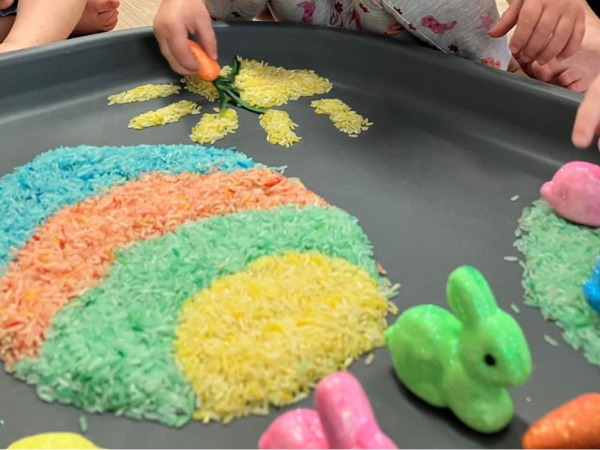
The children at Grow Early Education Dalby recently enjoyed a bright and colourful Easter-themed “scoop and pour” tray. This tray was part of the centre’s Easter celebrations and provided a fantastic opportunity for children to practice pouring, sorting, and scooping.
Grow Early Education Darling Heights:
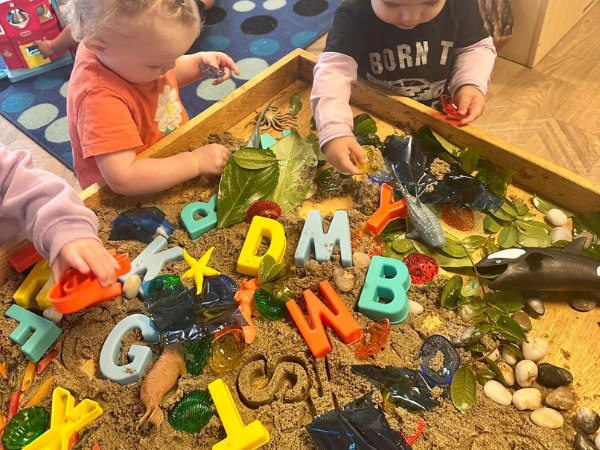
The Toddler Classroom were further introduced to literacy concepts as Educators set up an ocean-themed alphabet sensory tray. Children were able to create sandcastle letters as they explored a number of colours and textures, and ocean animals.
Grow Early Education Narre Warren North:
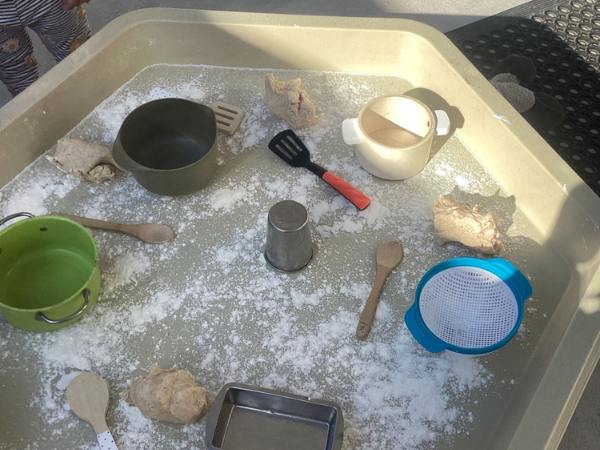
Educators were observing children's play habits within their child-initiated classroom time and discovered that the children were spending a lot of time in the home corner. To further extend on their interests, Educators set up a baking-themed sensory tray that allowed the children to experience utensils and ingredients through their senses.
Grow Early Education Bushland Beach:
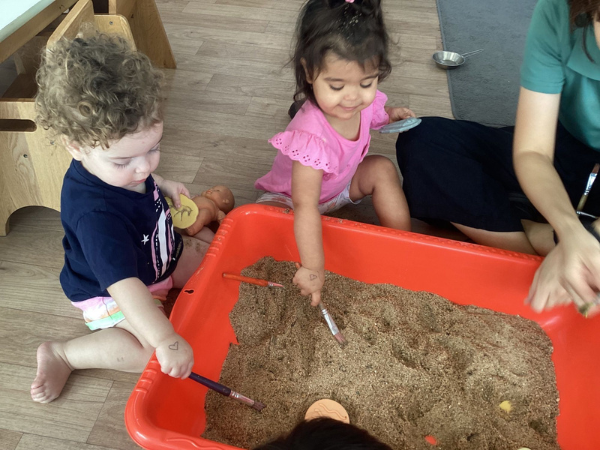
As part of the Grow Early Education curriculum exploring dinosaurs, our Educators created an exciting, age-appropriate sensory experience for the Tiny Tots Classroom. The children used paintbrushes to gently dust away sand and uncover hidden dinosaur fossils, just like real palaeontologists! This hands-on activity sparked curiosity, encouraged fine motor skills, and brought the prehistoric world to life.
Grow Early Education Gunnedah:
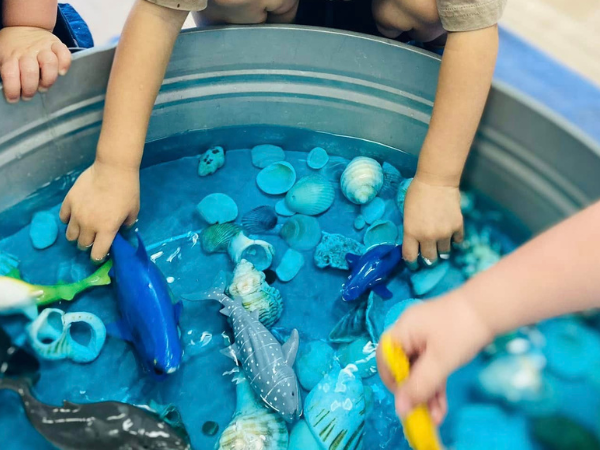
At Grow Early Education Gunnedah, our Educators thoughtfully build sensory-themed trays based on the children’s interests. Recently, they created a vibrant, ocean-themed sensory tray filled with a variety of textures and shades of blue. This immersive experience allowed the children to explore and learn about the fascinating underwater world through sensory play that stimulates curiosity and imagination.
Sensory play isn’t just fun, it’s foundational. Our Educators love designing trays that are not only exciting for children, but meaningful too. Whether it's a celebration of culture, a holiday event, or an everyday exploration of science and nature, there’s always something new to discover with a sensory tray.
Interested in trying your own tray setup at home? Here are some simple sensory tray ideas to try:
- Ocean Adventure: Blue jelly, shells, toy sea creatures, and seaweed (green spaghetti).
- Construction Site: Crushed Weet-Bix or Coco Pops as “dirt,” trucks, pebbles, and cones.
- Rainbow Rice Art: Layered colourful rice with scoops, funnels, and paintbrushes for mixing and creating.
- Fruit Exploration Tray: Citrus slices, spoons, and bowls of water for squishing and squeezing.
Stay up to date with our centres on Facebook to see what sensory play trays they create next!
- Grow Early Education Bushland Beach
- Grow Early Education Bundaberg North
- Grow Early Education Darling Heights
- Grow Early Education Bridgeman Downs
- Grow Early Education Park Ridge
- Grow Early Education Toowoomba
- Grow Early Education Hervey Bay
- Grow Early Education Maroochydore
- Grow Early Education Dalby
- Grow Early Education Riverton
- Grow Early Education Gunnedah
- Grow Early Education Kelso
- Grow Early Education Nowra Central
- Grow Early Education Narre Warren North
- Grow Early Education Heathmont
- Grow Early Education Frankston
At Grow Early Education, each day is a journey of discovery, growth, and fun. Our centres are thoughtfully designed to provide a nurturing environment where children feel safe, valued, and inspired to learn.
In today's blog, we are unpacking the routines at Grow Early Education, including child-initiated play, curriculum-led activities, and mealtimes.
Mealtime
At Grow Early Education, we offer fresh, healthy meals and snacks as part of our all-inclusive fee structure. Mealtimes are a valuable part of our educational program, and all meals are prepared fresh daily by our in-house chefs, with seasonal menus designed to provide over 50% of each child’s recommended daily intake of essential nutrients.
As children grow, they are encouraged to practice self-help skills, including serving themselves and cleaning up afterwards, building confidence, fine motor skills, and independence in a supportive environment.
For our youngest children in the nursery, we follow their home feeding routines as closely as possible. This helps create consistency between home and care, supporting both the child’s wellbeing and family routines.
Mealtimes at Grow Early Education are calm, social experiences where children learn about food, practice manners, and connect with others—all while enjoying healthy, delicious meals made with love.
Child-Initiated Play & Exploration
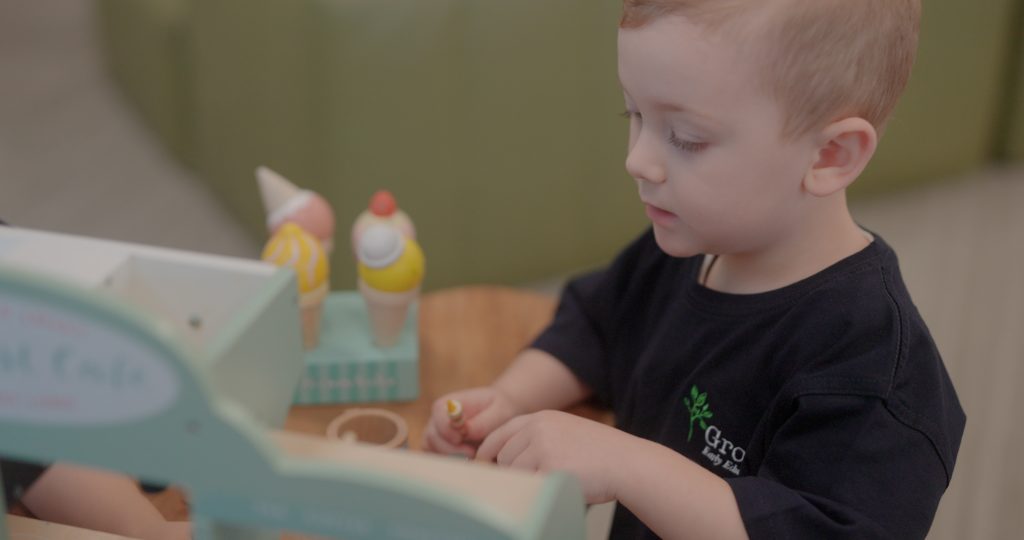
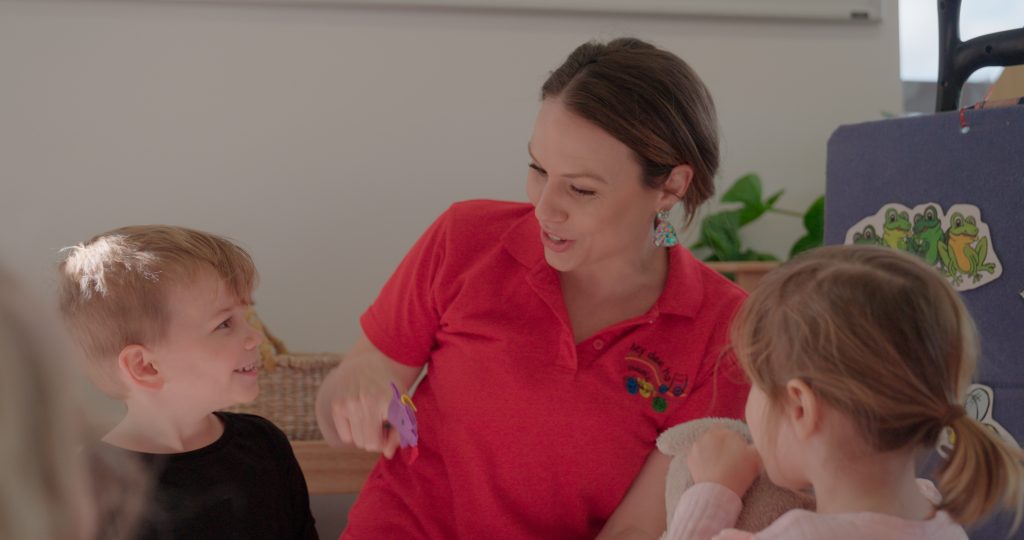
Children choose from a variety of inviting learning experiences, both indoors and outdoors. This time supports independence, creativity, and social interaction. Our environments are thoughtfully curated with open-ended materials that encourage exploration.
Group Time and Curriculum-Led Learning
Educators introduce intentional, curriculum-led experiences based on children’s interests and developmental needs. This might include:
- Language and literacy activities
- Numeracy games
- Science and nature exploration
- Group discussions or stories
Children collaborate with their peers and continue working on their learning experiences based on the Early Years Learning Framework and curriculum. Educators use a play-based approach and exploration through art and creativity, STEM provocations, and social-emotional group discussions.
Extra-curricular Programs
We offer extra-curricular activities included in our daily fee. This could include specialist sessions such as music and movement, children’s yoga, physical activity and sports, language lessons, cooking classes, or gardening lessons. Each of these lessons sparks the children’s curiosities in a new and exciting way and allows them to further explore new experiences and work to complement our curriculum and support the development of young learners, whether it be intellectually, emotionally, physically, or socially.
Outdoor Discovery & Free Play
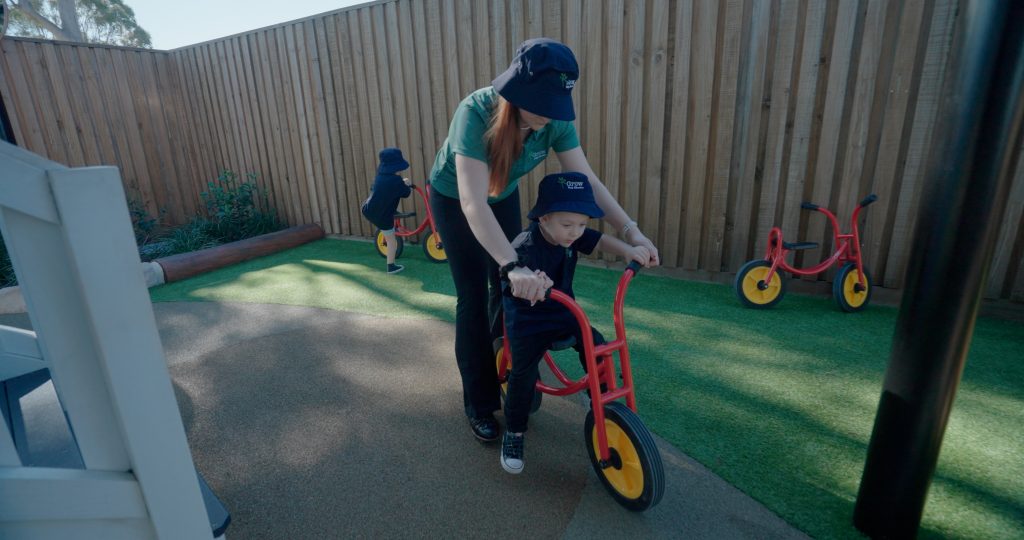
Outdoor play is a vital part of our day at Grow Early Education. Our large, spacious yards are the ideal environment for children to collaborate and explore open-ended play. Whether they are building in the sandpits, exploring the vegetable patch, playing games with peers or practising risk-play, children are constantly learning through movement and discovery.
We also embrace nature-based learning as part of our core philosophy where children engage in their natural surroundings through activities such as gardening, water play, or scavenger hunts. Some of our centres also include Bush Kindy as an extra-curricular whereby the children explore nature outside of the centre. These moments foster a deep sense of wonder and appreciation for their surroundings.
Sleep and Rest
At our centres, we recognise the importance of rest in a child’s development. While our Younger children transition into a restful nap in calm, cozy sleep spaces, the older children who don’t sleep are offered quiet activities such as puzzles, books, or mindfulness moments to relax. These experiences help children to reset, process their learning, and develop emotional regulation.
By respecting each child’s individual needs, we are ensuring that each and every child is feeling refreshed, supported, and ready for the afternoon ahead.
For our youngest children in the nursery, we follow their home sleeping routines as closely as possible. This helps create consistency between home and care, supporting both the child’s wellbeing and family routines.
Once the day begins to slow down with indoor play, quiet reading, and reflective conversations. Educators support conversations on the children’s days by encouraging reflection on what they learned or accomplished, helping to build a sense of pride and self-awareness.
At Grow Early Education, every moment is filled with purpose, whether it’s guided by our educational program or led by the child’s natural curiosity. Each moment at our centre is a chance to learn, connect, and develop.
Each of our Grow Early Education centres routines vary across age groups, locations, and days. Give our Enrolments Team a call today on 1300 934 769 to book a tour of your local Grow Early Education centre to learn more about their individual daily routines.
Find a Grow Early Education centre near you!
- Grow Early Education Bushland Beach
- Grow Early Education Bundaberg North
- Grow Early Education Darling Heights
- Grow Early Education Bridgeman Downs
- Grow Early Education Park Ridge
- Grow Early Education Toowoomba
- Grow Early Education Hervey Bay
- Grow Early Education Maroochydore
- Grow Early Education Dalby
- Grow Early Education Riverton
- Grow Early Education Gunnedah
- Grow Early Education Kelso
- Grow Early Education Nowra Central
- Grow Early Education Narre Warren North
- Grow Early Education Heathmont
- Grow Early Education Frankston
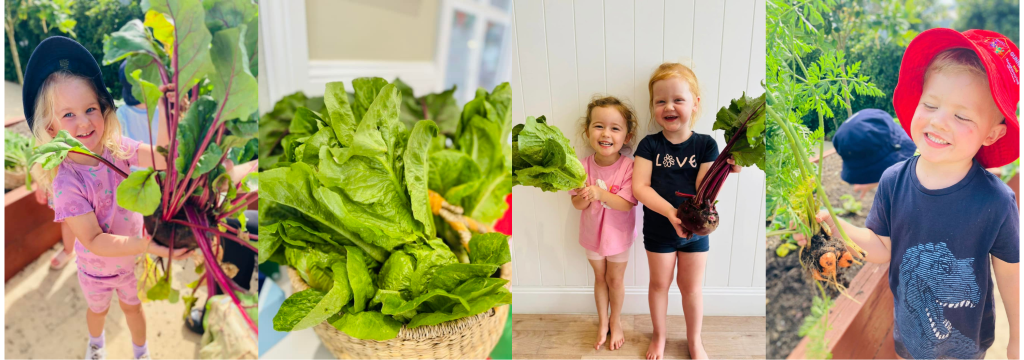
At Grow Early Education, we believe that learning goes far beyond the classroom, and one of the most powerful lessons begins right in the garden. As part of our all-inclusive childcare programs, gardening is a key component of our curriculum for children across all of our classrooms. Through our hands-on gardening lessons, children are learning valuable life lessons on curiosity, wellbeing, and healthy habits.
Gardening provides a wealth of benefits during the early learning years, from Toddlers exploring the textures in the soil to Kindergarten and Preschoolers nurturing growth from seeds through to harvest. This type of sensory-rich, outdoor activity supports holistic development across physical, cognitive, social, and emotional skillsets.
Here’s how gardening at our childcare centres helps young children thrive:
Physical Development
Digging, planting, watering, and harvesting help build fine and gross motor skills. Children develop strength, coordination, and dexterity while staying active and engaged outdoors.
Cognitive Growth
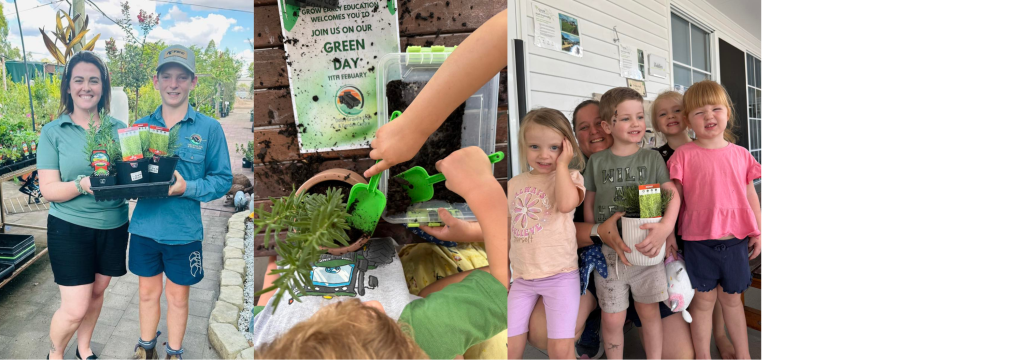
Gardening teaches science in real-time. Children explore plant life cycles, weather patterns, and ecosystems, helping them understand the world around them. They also learn responsibility and patience as they care for their growing plants.
Emotional Wellbeing
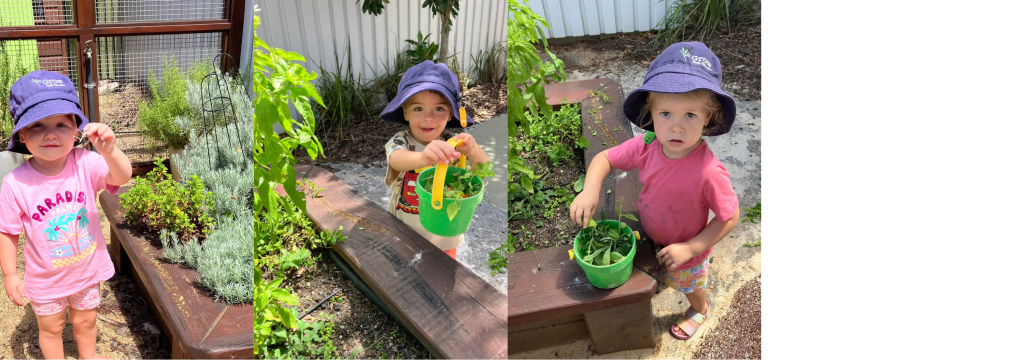
Spending time in nature has been proven to reduce stress and increase calmness in children. Gardening builds self-esteem and pride, as children see the results of their efforts bloom and grow.
Social Skills
Whether they’re working in teams to tend to a veggie patch or taking turns with watering cans, gardening encourages cooperation, communication, and empathy.
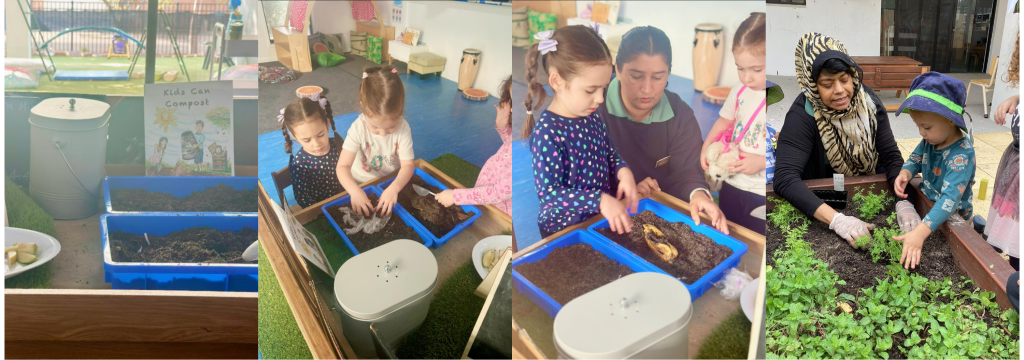
At Grow Early Education, we’re proud to offer gardening experiences at all of our daycare centres as part of our all-inclusive fee structure. That means families can enjoy the benefits of this enriching activity at no extra cost. Our outdoor learning environments are purposefully designed to include edible gardens, flower beds, and even worm farms, giving children a deeper connection to nature and sustainable living.
Our passionate Educators integrate gardening into our daily routines and learning programs, aligning with both the Early Years Learning Framework and the Abecedarian Approach Australia to nurture a love of the environment from an early age.
Whether it’s tasting and smelling the herbs they’ve grown or spotting the first sprout from a seed they planted, children at Grow Early Education are constantly discovering, experimenting, and learning. And as any gardener knows, those early roots make all the difference.
Stay up to date with our Grow Early Education centres on Facebook to see how they use gardening in their everyday curriculums.
- Grow Early Education Bushland Beach
- Grow Early Education Bundaberg North
- Grow Early Education Darling Heights
- Grow Early Education Bridgeman Downs
- Grow Early Education Park Ridge
- Grow Early Education Toowoomba
- Grow Early Education Hervey Bay
- Grow Early Education Maroochydore
- Grow Early Education Dalby
- Grow Early Education Riverton
- Grow Early Education Gunnedah
- Grow Early Education Kelso
- Grow Early Education Nowra Central
- Grow Early Education Narre Warren North
- Grow Early Education Heathmont
- Grow Early Education Frankston
Easter is the perfect time to get creative with your little ones! From bright colours and fluffy bunnies to sparkly eggs and baskets full of joy, there’s so much fun to be had with Easter crafts. Not only do these activities encourage creativity and fine motor skills, but they also help children express themselves and enjoy the season in a meaningful way.
Here are some of our favourite Easter crafts that are perfect for early learners that you can try at home this long weekend!
1. Cotton Ball Bunny Faces
What you’ll need:
-
Paper plates
-
Cotton balls
-
Googly eyes
- Coloured paper (for ears)
-
Pink pom poms (for noses)
-
Pipe cleaners (for whiskers)
- Elastic (optional)
-
Glue and child-safe scissors
How to make it:
Let the children cover their paper plate with fluffy cotton balls to create the bunny’s face. Add googly eyes, a pink pom pom nose, and whiskers using pipe cleaners. Don’t forget some big bunny ears cut from coloured paper!
❗️TIP: Add elastic to the sides and remove the googly eyes to create an Easter mask.

2. Painted Easter Eggs (No Mess Version!)
What you’ll need:
-
White paper cut into egg shapes
-
Ziplock bags
-
Non-toxic paint
How to make it:
Place a paper egg and a few drops of paint into a ziplock bag. Seal it tight and let children squish and spread the paint around with their fingers from the outside. It’s sensory, mess-free, and so much fun! This activity is perfect for Babies and Toddlers as they work on their pincer grip and fine motor skills!

3. Chick in an Egg Card
What you’ll need:
-
Yellow and white construction paper
-
Orange paper (for the beak)
-
Markers, glue, and scissors
How to make it:
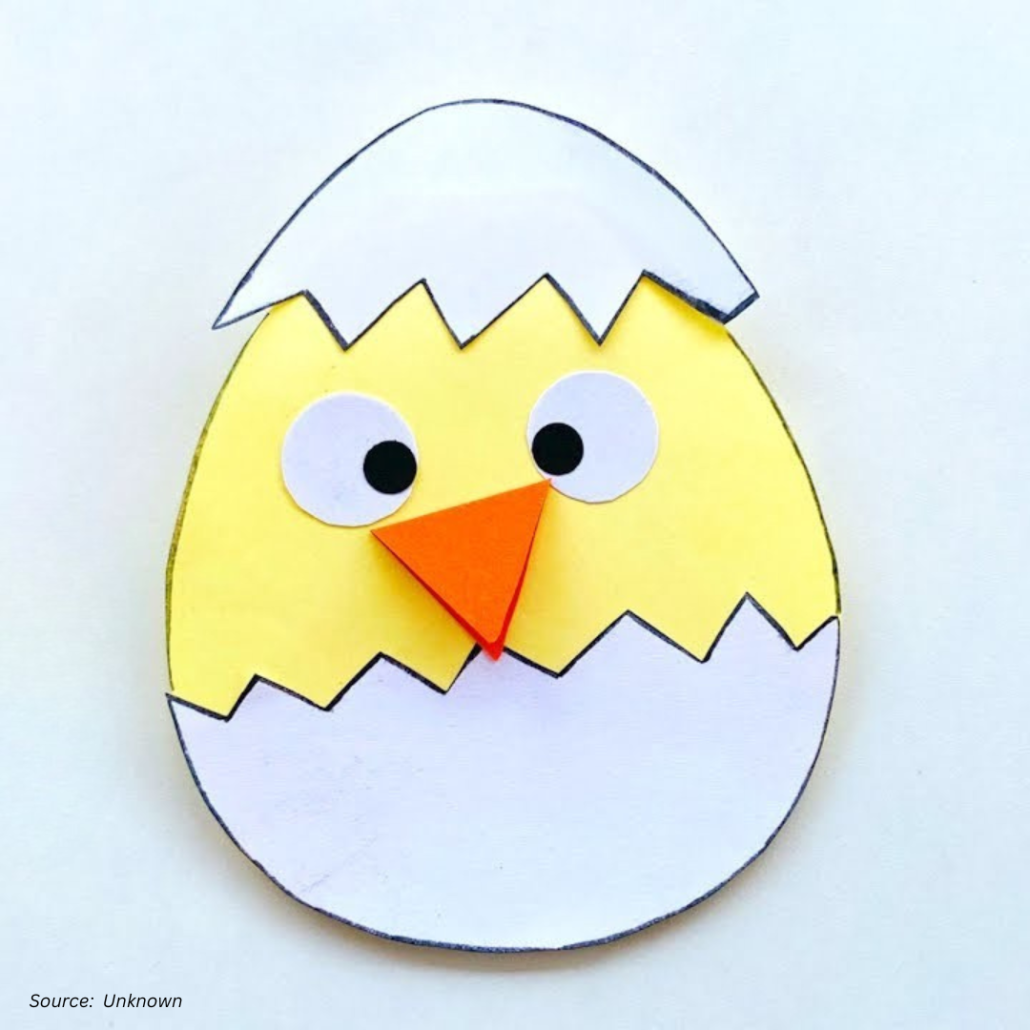
Cut a white egg shape and snip a zig-zag crack across the middle. Glue the bottom half onto yellow paper, then create a little chick by drawing or gluing on eyes and a beak. Add the top half of the egg so it looks like the chick is hatching!
4. Easter Basket Weaving
What you’ll need:
-
Construction paper in pastel colours
-
Scissors and glue
How to make it:
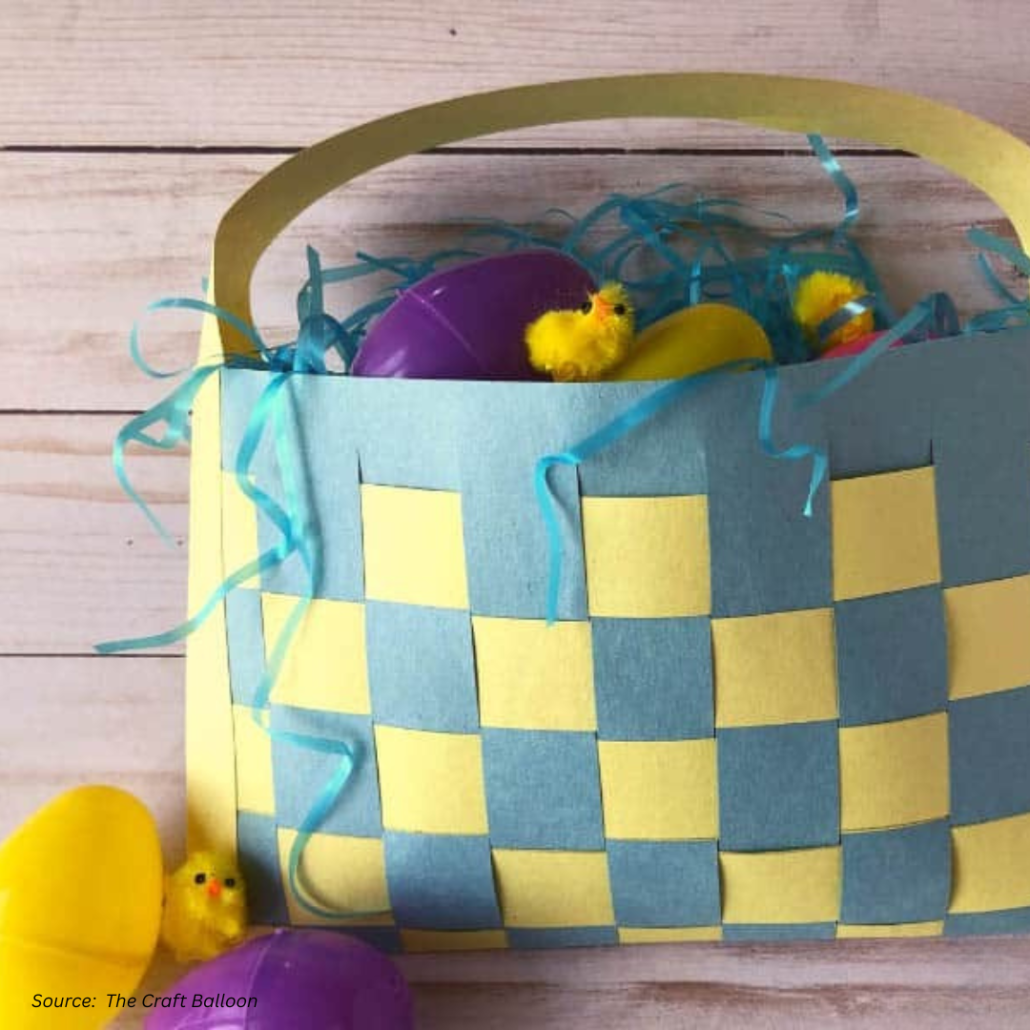
Help children cut slits in one piece of paper and weave strips of coloured paper through to create a basket look. Fold up the sides and glue a handle on top.
❗️ TIP: These make great Easter egg hunting baskets!
5. Fingerprint Bunny and Chick Art
What you’ll need:
-
Non-toxic paint
-
White paper
-
Markers
How to make it:
Let kids dip their fingers into paint and press them onto paper to create bunny and chick bodies. Once dry, add ears, beaks, eyes, and feet with markers. These make sweet keepsakes for Easter!
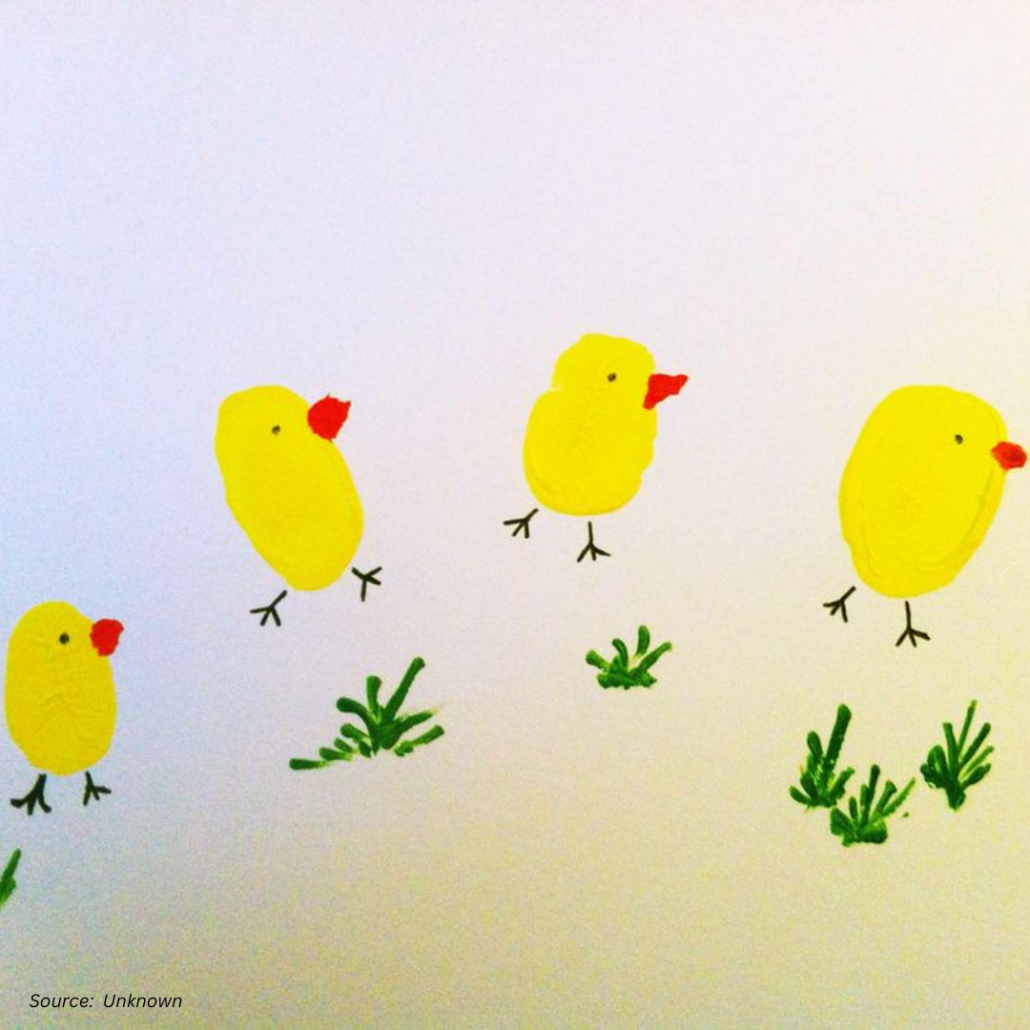
Crafts are more than just fun—they help children build hand-eye coordination, learn to follow instructions, and develop confidence in their abilities. Best of all, they get to take home something they made with love and pride!
Stay up to date with our Grow Early Education centres on Facebook to see what amazing Easter themed arts and crafts they got up to this week!
- Grow Early Education Bushland Beach
- Grow Early Education Bundaberg North
- Grow Early Education Darling Heights
- Grow Early Education Bridgeman Downs
- Grow Early Education Park Ridge
- Grow Early Education Toowoomba
- Grow Early Education Hervey Bay
- Grow Early Education Maroochydore
- Grow Early Education Dalby
- Grow Early Education Riverton
- Grow Early Education Gunnedah
- Grow Early Education Kelso
- Grow Early Education Nowra Central
- Grow Early Education Narre Warren North
- Grow Early Education Heathmont
- Grow Early Education Frankston
Don't forget! Our Grow Early Education centres are closed for the Good Friday (18th April) and Easter Monday (21st April) public holidays. Each of our centres will reopen on Tuesday, the 22nd of April as per their regular trading hours.
In recent years, the educational landscape has witnessed a significant shift towards play-based learning curricula, particularly in early childhood education. This approach recognises the inherent value of play as a fundamental aspect of how children learn and develop. In this blog, we will explore play-based learning, its key principles, and its numerous benefits to young learners.
What is Play-Based Learning?
Play-based learning is an educational philosophy that emphasises the importance of play as a primary mode of learning for children. Unlike traditional, teacher-directed instruction, play-based learning encourages children to engage in hands-on, experiential activities that stimulate curiosity, creativity, and critical thinking. This curriculum is designed to be flexible, allowing children to explore their interests and learn at their own pace.

Key Principles of Play-Based Learning
- Child-Centred Approach: At the heart of play-based learning is the belief that children are active participants in their own learning. Educators serve as facilitators, providing guidance and support while allowing children to take the lead in their exploration.
- Integration of Learning Areas: Play-based curriculum often integrates various learning domains, such as social-emotional, cognitive, physical, and language development. Through play, children can engage in activities that promote multiple skills simultaneously.
- Real-Life Experiences: Play-based learning often involves real-life scenarios and experiences, allowing children to make connections between their play and the world around them. This relevance enhances their understanding and retention of information.
- Collaboration and Social Interaction: Play encourages collaboration and social interaction among children. Through group activities, children learn to communicate, negotiate, and work together, fostering essential social skills.
- Encouragement of Creativity: Play-based learning nurtures creativity by providing children with the opportunities to express themselves through imaginative play, art, music, and storytelling. This creative exploration is vital for cognitive and emotional development.
Benefits of Play-Based Learning
- Enhanced Cognitive Development: Play-based activities stimulate critical thinking and problem-solving skills. Children learn to ask questions, experiment, and find solutions, which are essential cognitive skills for lifelong learning.
- Improved Social Skills: By engaging in cooperative play, children develop social skills such as sharing, empathy, and conflict resolution. These interactions help them build friendships and navigate social dynamics effectively.
- Emotional Growth: Play allows children to express their emotions and experiences in a safe environment. Through role-playing and imaginative scenarios, they can explore feelings, learn self-regulation, and develop emotional resilience.
- Physical Development: Many play-based learning activities involve physical movement, which supports the development of gross and fine motor skills. Activities such as climbing, jumping, and manipulating objects enhance coordination and overall physical health.
- Increased Motivation and Engagement: Play-based learning fosters intrinsic motivation. Children are more likely to engage deeply with activities that they find enjoyable and interesting, leading to a positive attitude towards learning.
- Preparation for Future Learning: The skills acquired through play-based learning set a solid foundation for future academic success. Children develop a love for learning, curiosity, and the ability to think critically, which are essential for their educational journey.

How do we Implement Play-Based Learning in Early Childhood Education?
To effectively implement a play-based learning curriculum, Educators can:
- Create a stimulating environment that encourages exploration and creativity.
- Provide a variety of materials and resources that support different types of play, including sensory play, dramatic play, and construction play.
- Observe and assess children's interests and learning styles to tailor activities that resonate with them.
- Foster a positive and supportive atmosphere where children feel safe to express themselves and take risks in their learning.
- Have fun, engage and play with children. Choose your moments to sit back and observe, actively engage or wait to be invited into the play. Make play-based learning a fun and engaging time for children to have your full attention.
Play-based learning is more than just fun; it is a powerful educational approach that supports holistic development in children. By embracing play as a fundamental part of the learning process, educators can create enriching experiences that foster cognitive, social, emotional, and physical growth. As we continue to recognize the significance of play in education, we pave the way for a generation of curious, confident, and capable learners ready to thrive in an ever-changing world.
Stay up to date with our Grow Early Education centres on Facebook to see what amazing play-based activities Educators incorporate into their daily curricula.
- Grow Early Education Bushland Beach
- Grow Early Education Bundaberg North
- Grow Early Education Darling Heights
- Grow Early Education Bridgeman Downs
- Grow Early Education Park Ridge
- Grow Early Education Toowoomba
- Grow Early Education Hervey Bay
- Grow Early Education Maroochydore
- Grow Early Education Dalby
- Grow Early Education Riverton
- Grow Early Education Gunnedah
- Grow Early Education Kelso
- Grow Early Education Nowra Central
- Grow Early Education Narre Warren North
- Grow Early Education Heathmont
- Grow Early Education Frankston
Embarking on the journey of childcare can be both exciting and daunting for parents. As you prepare to transition your child into a childcare setting, it’s important to understand what to expect, how to choose the right service, and the myriad benefits that childcare offers for your child's development. This guide aims to simplify the process and provide essential insights.
What to Expect When Starting Childcare:
- Adjustment Period: The initial days of childcare can be an adjustment for both children and parents. It’s normal for children to experience separation anxiety or hesitation when entering a new environment. Expect some emotional responses, which may include tears or clinginess. With time, most children adapt well to their new routine. Bringing along a comfort item or family photo can assist with the transition. Informing the Educators about your child’s specific interests will help with this transition; this way, they can spark their interest and take this opportunity as a distraction technique.
- Daily Routine: Childcare centres typically have a structured daily schedule that includes activities such as playtime, meals, nap time, and educational sessions. Familiarising your child with this routine can help them feel more secure as they transition. For younger babies and infants, look for centres that cater to your child’s individual routine to minimise disruption between care environments.
- Communication with Caregivers: Regular communication with caregivers is essential. Most childcare centres provide daily reports or updates on your child’s activities, progress, and any concerns. This partnership between parents and caregivers helps ensure that your child's needs are met.
- Health and Safety Protocols: Quality childcare facilities prioritise health and safety. Expect thorough policies regarding hygiene, nutrition, and emergencies. Staff should be trained in first aid and child development, providing peace of mind for parents.

How to Choose the Right Childcare Service:
- Research Options: Start by researching different types of childcare services available in your area, such as daycare centres, family childcare homes, or preschools/kindergartens. Each option has its own advantages, so consider your child’s personality and your family’s needs.
- Visit Facilities: Schedule visits to potential childcare centres. Observe the environment, cleanliness, and safety measures. Pay attention to how Educators interact with the children, as this can reflect the level of care and attention your child will receive.
- Ask Questions: Prepare a list of questions to ask during your visits. Enquire about staff qualifications, child-to-caregiver ratios, daily routines, and how they handle discipline and conflict resolution. Understanding their approach to learning and development is crucial.
- Check References and Reviews: Seek recommendations from other parents and read online reviews. Feedback from other families can provide valuable insights into the quality of care and the experiences of children in that environment.
- Trust Your Instincts: Ultimately, trust your instincts when it comes to choosing a childcare service. If a place feels right for you and your child, it’s likely to be a good fit.

Benefits of Childcare for Children:
- Social Skills Development: One of the primary benefits of childcare is the opportunity for children to socialise with peers. They learn vital social skills, including sharing, cooperation, and conflict resolution, which are essential for building relationships.
- Emotional Growth: Childcare fosters emotional development by allowing children to express their feelings in a supportive environment. Caregivers help children understand and manage their emotions, promoting resilience and emotional intelligence.
- Cognitive Advancement: Engaging activities and structured learning experiences in childcare settings stimulate cognitive development. Children are introduced to concepts such as numbers, letters, and problem-solving through play, setting a strong foundation for future learning.
- Physical Development: Many childcare programs emphasise physical activity, helping children develop their motor skills. Outdoor play and structured physical activities encourage healthy habits and promote overall well-being.
- Preparation for School: Childcare serves as a crucial stepping stone to formal education. Children become accustomed to routines and expectations, helping them transition smoothly into primary school and beyond. Many states across Australia now have state-based Kindergarten/Preschool funding, so be sure to ask about this during your tour!
- Diverse Experiences: Quality childcare exposes children to diverse cultures, languages, and perspectives. This exposure fosters inclusivity and helps children appreciate differences, preparing them for a multicultural world.
Starting childcare can be a significant step for both parents and children. By understanding what to expect, carefully choosing the right service, and recognising the benefits of childcare, you can ensure a positive experience for your child. This journey not only supports their development but also enriches their lives with valuable skills and connections that will serve them well in the future. Embracing this transition with an open mind and heart can lead to a rewarding experience for your entire family.
At Grow Early Education, we embrace Australia’s rich multicultural heritage and believe in fostering a sense of belonging, respect, and inclusivity within our long daycare centres. Harmony Week, celebrated from March 17th to 23rd, is a wonderful opportunity to teach children about acceptance, respect, and unity while celebrating the diverse backgrounds that make up our communities.
This nationwide celebration highlights the importance of inclusiveness and cultural respect for all Australians, regardless of their background. The signature orange colour of Harmony Week represents meaningful conversations, communication, and mutual understanding—values we strive to instil in the children every day.
Throughout Harmony Week, our Grow Early Education centres across Australia will engage in various fun and educational activities that celebrate diversity and inclusion. Here’s how we have been getting involved so far:
- Dress-Up Day – At Grow Early Education Gunnedah, children and Educators embraced diversity by dressing in traditional attire or wearing orange. They engaged in fun, themed activities, including arts and crafts sessions to further develop their understanding of what Harmony Week represents.

- Multicultural Experiences – Across our Grow Early Education centres, we regularly engage with and share stories from different cultures, whether it be from our local Indigenous Australians or international cultures and holidays.

- Diversity Art Projects – The children at Grow Early Education Bridgeman Downs created art pieces to showcase to their families around the centre. With the help of the Educators, children used their handprints to create personal details on their Harmony Day flowers. They also worked together to create their "Diversity Tree" using handprints as the leaves.

At Grow Early Education, we understand that early childhood is a critical time to instil values of respect, understanding, and inclusivity. By celebrating Harmony Week, we provide children with meaningful experiences that help them appreciate and embrace the differences that make each person unique. These celebrations encourage lifelong respect for diversity, fostering a future generation that values unity and kindness.
Let’s celebrate Harmony Week together and continue to nurture a world where everyone belongs!
Stay up to date with your nearest Grow Early Education centres Harmony Week celebrations on Facebook.
- Grow Early Education Bushland Beach
- Grow Early Education Bundaberg North
- Grow Early Education Darling Heights
- Grow Early Education Bridgeman Downs
- Grow Early Education Rochedale Central
- Grow Early Education Park Ridge
- Grow Early Education Toowoomba
- Grow Early Education Hervey Bay
- Grow Early Education Maroochydore
- Grow Early Education Dalby
- Grow Early Education Riverton
- Grow Early Education Gunnedah
- Grow Early Education Kelso
- Grow Early Education Nowra Central
- Grow Early Education Narre Warren North
- Grow Early Education Heathmont
- Grow Early Education Frankston
As Cyclone Alfred approaches the SE QLD and NE NSW coasts, staying indoors is the safest option for families. At Grow Early Education, we understand that keeping little ones entertained while at home can be a challenge, so we’ve put together a list of fun and educational activities for children aged 0-6 to enjoy while staying safe indoors.
Activities for Babies (0-12 Months)
- Sensory Play – Fill a ziplock bag with hair gel and small objects (such as beads or sequins) and tape it to the floor for a safe and engaging sensory experience.
- Peekaboo Fun – Use scarves or blankets to play peekaboo and encourage laughter and connection.
- Tummy Time Adventures – Place toys or mirrors in front of your baby during tummy time to strengthen their muscles and stimulate curiosity.
- Soft Music & Movement – Play gentle music and sway with your baby or let them explore sounds with simple musical toys.
Activities for Toddlers (1-3 Years)
- Indoor Obstacle Course – Use pillows, blankets, and furniture to create a safe, fun obstacle course to crawl through.
- Water Play – Fill a sink or a shallow container with water and provide cups and spoons for pouring fun. Always supervise closely.
- DIY Sensory Bins – Fill a tub with rice, pasta, or shredded paper and hide small toys inside for your Toddler to discover.
- Storytime & Puppet Shows – Read books together or create simple sock puppets to act out their favourite stories.
Activities for Preschoolers (3-6 Years)
- Baking Together – Make simple recipes such as cookies, muffins, or banana bread, letting children help by mixing and pouring ingredients. You could even try your hand at making your own play dough!
- Art & Craft Corner – Use paper, crayons, stickers, and recycled materials to create unique art projects.
- Treasure Hunts – Hide small toys around the house and give clues to help children find them.
- Yoga & Movement Games – Try simple Children's yoga poses or play “Freeze Dance” to get some energy out while indoors.
Bonus Family Activities
- Indoor Camping – Build a fort with blankets and cushions, and have a pretend indoor camping adventure with stories and snacks.
- Movie & Popcorn Night – Pick a family-friendly movie and make it a special event with homemade popcorn.
- Building Challenges – Use LEGO, blocks, or household items to build creative structures together.
While the weather may be wild outside, your home can be filled with warmth, laughter, and learning. Stay safe and have fun with your little ones during this time!
Stay safe and happy playing!
Please note, the following centres are currently closed today due to Cyclone Alfred:
