On Wednesday, 3rd September, our Grow Early Education centres proudly joined services across Australia in celebrating Early Childhood Educators’ Day — a national event dedicated to recognising the extraordinary work Educators do every single day.
At our Grow Early Education centres, we are lucky to have an incredible team of Educators who bring passion, patience, creativity, and love into every moment they share with children. Their role goes far beyond teaching—it’s about creating safe, supportive environments where children feel valued, encouraged, and inspired to grow.

Why Educators’ Day Matters
Early Childhood Educators’ Day is an initiative of the Australian Childcare Alliance, shining a spotlight on the vital contribution early learning professionals make to children, families, and communities.
This year’s theme, “Together We All Shine!”, reflects the way Educators, families, and children work hand in hand to create bright, nurturing, and connected communities. It’s a beautiful reminder that when we support and celebrate one another, children truly flourish.

Celebrating at Our Centres
Across our centres, we took time to celebrate our amazing Educators. Families and children joined in by sharing drawings, thoughtful messages, and small tokens of appreciation. Our teams enjoyed morning teas, personalised treats, and heartfelt moments that highlighted just how valued they are within our community.
It was wonderful to see the smiles, laughter, and gratitude as our Educators were recognised for the heart they bring to their roles each and every day.
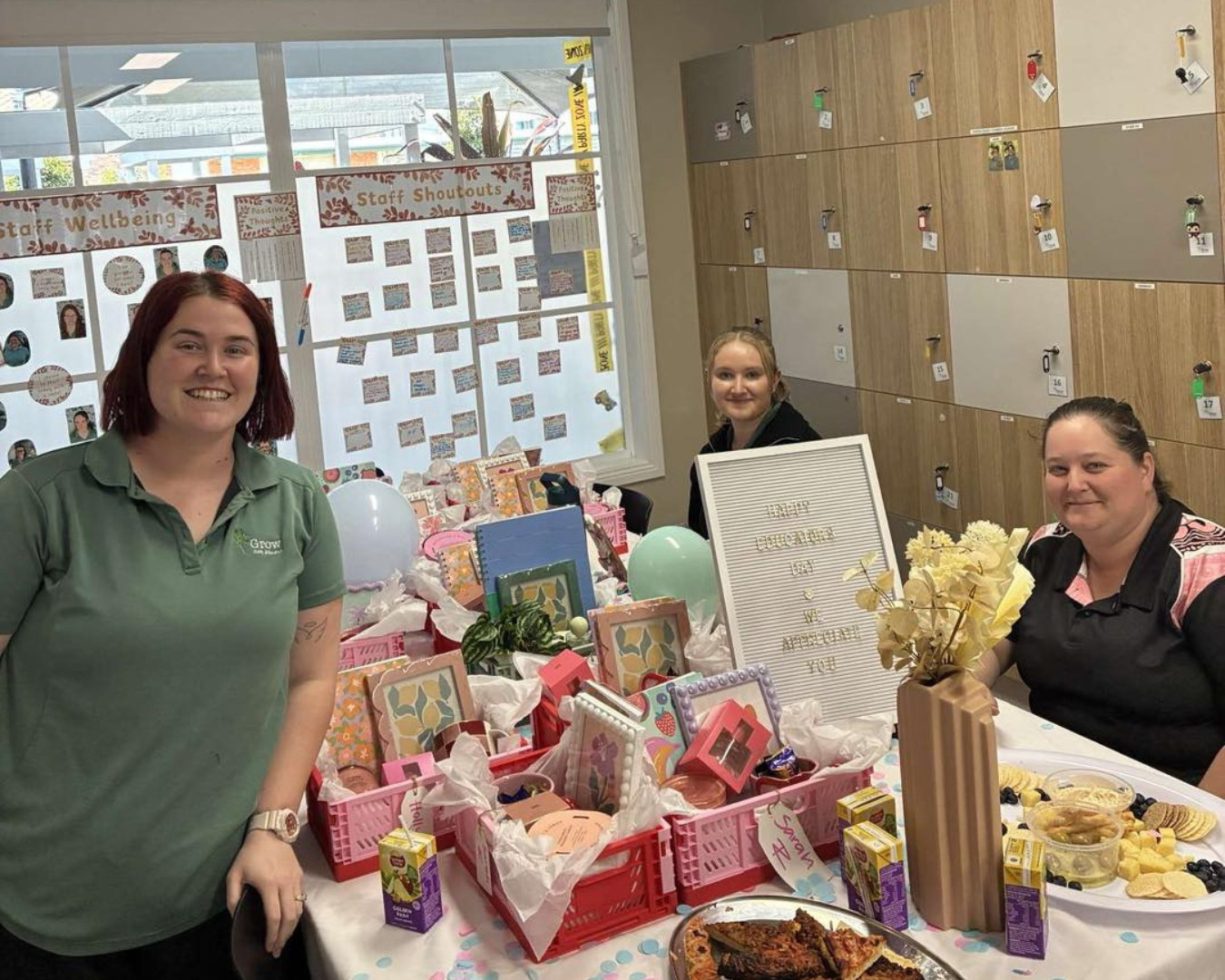
A Heartfelt Thank You
To our incredible Educators: thank you. Your commitment, creativity, and care make a lasting difference in the lives of children and families. You make our centres such special places to learn, grow, and belong—and we are proud to celebrate you not only on Educators’ Day, but every day.
Follow us on Facebook to see more photos from how our Grow Early Education centres celebrated our amazing Educators yesterday.
- Grow Early Education Bundaberg North
- Grow Early Education Darling Heights
- Grow Early Education Bridgeman Downs
- Grow Early Education Park Ridge
- Grow Early Education Toowoomba
- Grow Early Education Hervey Bay
- Grow Early Education Dalby
- Grow Early Education Riverton
- Grow Early Education Gunnedah
- Grow Early Education Kelso
- Grow Early Education Nowra Central
- Grow Early Education Narre Warren North
- Grow Early Education Heathmont
- Grow Early Education Frankston
Playtime from 0–5 is one of the most important ways children learn, grow, and make sense of the world. Through play, children develop social skills, emotional understanding, problem-solving abilities, language, and creativity.
During the early years, children naturally move through six stages of play. Knowing what to expect and how to encourage your child during each stage can help you feel more confident in supporting their development.
At Grow Early Education, we nurture and encourage these developmental play milestones every day. Our play-based environments are thoughtfully designed to support each stage, helping children explore, experiment, and engage at their own pace.
In this blog, we are unpacking the six stages and how you can guide your little one’s play journey.
- Unoccupied Play (Birth – 3 months)
At this very first stage, babies are not yet “playing” in the way we might imagine. Instead, you’ll notice them making small movements, watching the world around them, or kicking their legs. This may seem simple, but it’s how they begin to explore their environment.
How to encourage it:
- Offer safe, sensory-rich objects (rattles, textured toys).
- Give your baby tummy time to build strength.
- Talk, sing, and smile while they move, your interaction makes the experience meaningful.

- Solitary Play (Birth – 2 years)
Children play alone and focus on exploring toys or activities by themselves. They are not yet interested in interacting with other children and that’s perfectly normal and expected at this age.
How to encourage it:
- Provide age-appropriate toys such as stacking cups, blocks, and shape sorters.
- Allow your child space to play independently.
- Sit nearby to offer reassurance but let them lead.

- Onlooker Play (2 years)
At this stage, children begin watching others play without joining in. They’re learning by observing, noticing social interactions, body language, and new ways to play.
How to encourage it:
- Model play by engaging with toys yourself while your child watches.
- Provide opportunities for your child to observe siblings or peers.
- Narrate what’s happening in play (“Look, she’s rolling the ball to her friend”).

- Parallel Play (2 – 3 years)
Children now play alongside others but don’t directly interact. They may use the same toys or sit close together, but their play remains separate. This is a vital step toward social play.
How to encourage it:
- Set up playdates or small group activities.
- Offer toys that can be shared, like blocks or playdough.
- Sit with your child and mirror their play to model connection.
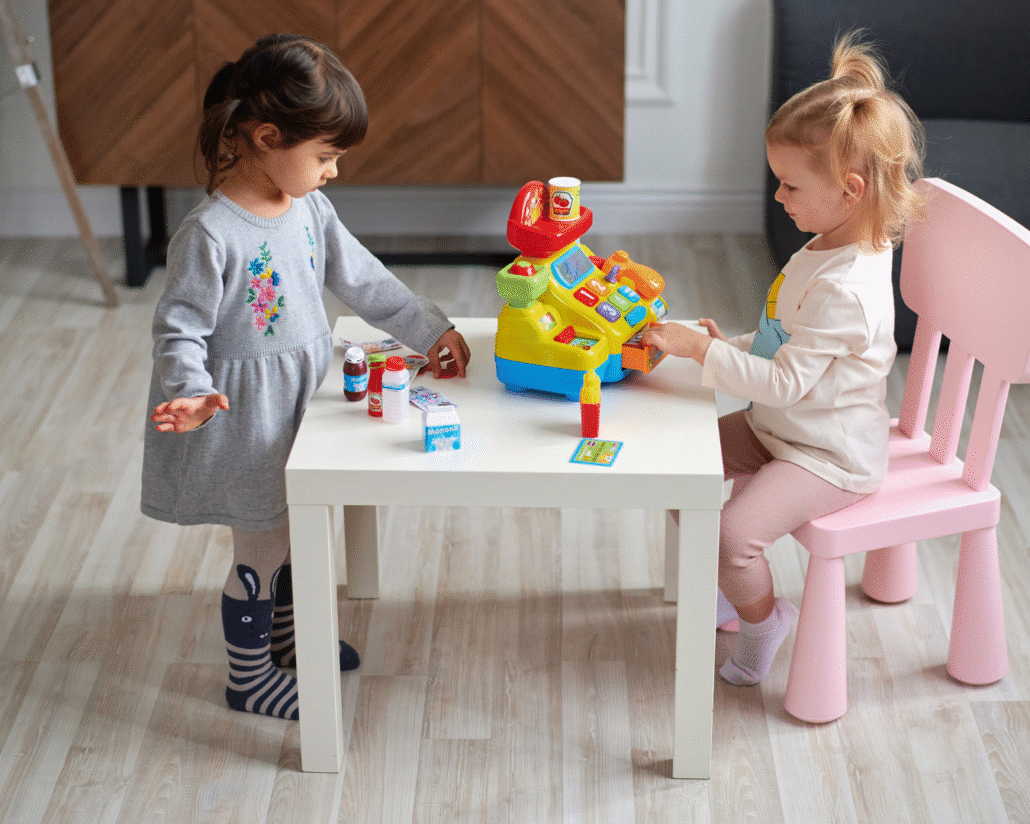
- Associative Play (3 – 4 years)
At this point, children are beginning to interact with others, sharing toys and ideas, but the play may not yet be fully organised. For example, two children may build towers side by side and occasionally exchange blocks.
How to encourage it:
- Provide open-ended toys like dress-ups, art supplies, or building materials.
- Encourage turn-taking games.
- Praise cooperative moments (“I love how you shared your truck with your friend”).
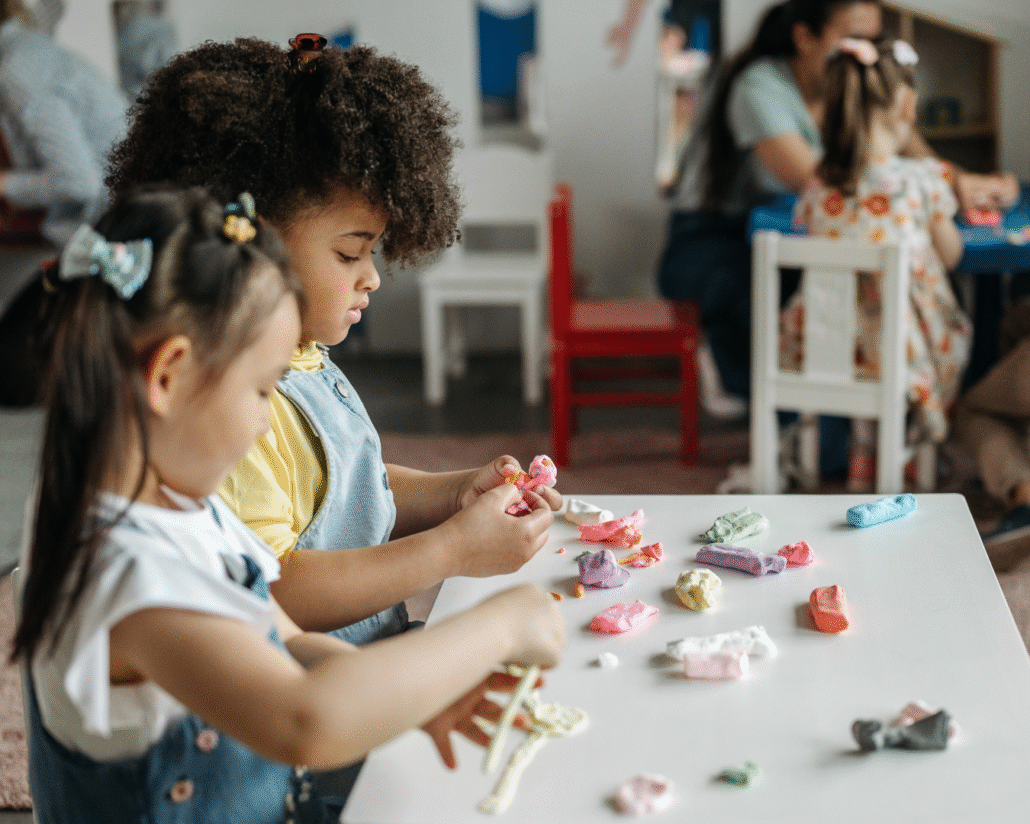
- Cooperative Play (4 – 5 years)
This is the most advanced stage of play in the early years. Children now play together with shared goals and rules whether it be building cities with blocks, playing pretend, or inventing group games. Cooperative play builds teamwork, empathy, and problem-solving.
How to encourage it:
- Suggest group activities like board games, role play, or outdoor games.
- Provide props for imaginative play (kitchen sets, costumes, dolls).
- Support children in resolving conflicts by modelling positive communication.

Each stage of play is a building block for learning. Even if your child prefers to play alone or just observe, they are still developing important skills. By recognising and supporting each stage, you’re helping your child gain confidence, independence, and social awareness.
Don’t rush your child through the stages, each one is valuable. With your support, encouragement, and the right environment, your child will naturally move forward in their play journey.
At Grow Early Education, we carefully design play-based environments and interactions to nurture every stage of development, helping children grow, explore, and thrive.
Follow us on Facebook to see how we incorporate these milestones into our everyday learning environments!
- Grow Early Education Bundaberg North
- Grow Early Education Darling Heights
- Grow Early Education Bridgeman Downs
- Grow Early Education Park Ridge
- Grow Early Education Toowoomba
- Grow Early Education Hervey Bay
- Grow Early Education Dalby
- Grow Early Education Riverton
- Grow Early Education Gunnedah
- Grow Early Education Kelso
- Grow Early Education Nowra Central
- Grow Early Education Narre Warren North
- Grow Early Education Heathmont
- Grow Early Education Frankston
At Grow Early Education, we believe science is a way for children to explore, question, and discover the world around them every day.
This National Science Week, we’re sharing a collection of simple, age-appropriate science experiments you can try at home with your little one. These activities fun and engaging, plus they also help build important skills such as problem-solving, observation, and prediction. Skills we nurture in our own science-based learning experiences across our centres.
Babies (0–1 years)
Rainbow Ice
Create colourful ice cubes using water and a few drops of food colouring. Place them in a large container or sensory tray and let your baby explore the melting ice. You can add a small container of warm water for them to experiment with melting the ice faster.
This activity encourages sensory exploration through temperature, texture, and colour while helping babies develop early observation skills. They begin to understand cause and effect as they notice the ice melting more quickly in warm water, and their language skills grow as you introduce new words like “cold,” “melting,” “blue,” and “mixing.”

Sound Bottles
Fill a clear, empty plastic bottle with items such as beads, rice, or bells. Let your baby shake the bottle to explore the different sounds each filling makes.
Shaking the bottle helps babies discover cause and effect while developing their listening skills as they hear the different sounds. It also promotes fine motor development through grasping and shaking, as well as visual tracking, as they watch the items move inside the bottle.

Toddlers (1–3 years)
Fizzing Colours
Add baking soda to a tray. Mix vinegar and food colouring in small cups, then use droppers to release the coloured vinegar onto the baking soda. Watch the fizzy reaction unfold right in front of your eyes!
This experiment introduces Toddlers to basic chemistry as they watch the acid and base reaction create fizz. They strengthen colour recognition and begin exploring colour mixing, while using droppers supports fine motor skills. Asking them to guess what will happen next also encourages curiosity and early prediction skills.

Sink or Float
Fill a large tub with water. Collect natural materials from around the home. Before dropping each item in, ask your child to guess: “Will this sink or float?”
This hands-on activity helps Toddlers begin to think like scientists by making predictions and testing their ideas. They practise categorisation skills and start to understand buoyancy, while also expanding their vocabulary with words such as “heavy,” “light,” “float,” and “sink.”

Pre-Kindy (3–4 years)
Walking Rainbow
Arrange jars of water coloured with food dye and blank water in a circle, alternating blank water with coloured water. Place a strip of paper towel between each jar, making sure the ends dip into the water. Watch the colours travel and mix over time.
Children strengthen their observation skills as they watch the colours slowly move, mix, and blend over time. This experiment introduces them to absorption and capillary action in a visual way, supports their understanding of colour mixing, and encourages them to talk through the sequence of events they see.

Shadow Tracing
Lay paper or card next to an object’s shadow and have your child trace its outline. Return throughout the day to see how the shadow has changed.
Shadow tracing helps children understand how the position of the sun changes shadows throughout the day. It also develops early measurement and comparison skills, supports fine motor control through drawing, and sparks curiosity about nature and the passing of time.

Kindergarten & Preschool (4–5 years)
Colour Changing Flowers or Celery
Place white flowers or celery stalks in a jar of coloured water. Over time, the stems will draw up the coloured water and change colour.
This activity introduces children to plant biology by showing how plants absorb water through their stems. It encourages them to observe and record changes over time, developing patience, attention to detail, and early scientific thinking.

Blowing Up a Balloon With Gas
Use a funnel to insert baking soda into a deflated balloon. Fill a bottle with vinegar, then carefully attach the balloon to the bottle’s neck without spilling the baking soda. Lift the balloon so the baking soda falls in. This will create a fizzy reaction, causing gas to inflate the balloon.
This experiment demonstrates chemical reactions and gas formation in a way children can see and enjoy. It promotes problem-solving and sequencing as they follow the steps, encourages them to make predictions, and gives them a memorable “wow” moment that builds excitement for science.

At Grow Early Education, science is a part of our everyday learning. From sensory exploration with our youngest babies to hands-on STEM projects with our older children, we create opportunities for children to investigate, experiment, and discover.
By trying these activities at home, you’re extending your child’s learning and giving them the chance to see science as something fun, exciting, and part of the world around them. Together, we can help inspire the next generation of curious thinkers and problem-solvers.
To further enrich these activities, you can use the Abecedarian Approach Australia (3a) Language Priority by talking your child through each reaction and change they observe during the experiment. This ongoing conversation helps build their communication skills and introduces them to a wider range of new words.
Follow us on Facebook to keep up to date with our Grow Early Education centres and see how we have acknowledged and celebrated National Science Week this week:
- Grow Early Education Bundaberg North
- Grow Early Education Darling Heights
- Grow Early Education Bridgeman Downs
- Grow Early Education Park Ridge
- Grow Early Education Toowoomba
- Grow Early Education Hervey Bay
- Grow Early Education Dalby
- Grow Early Education Riverton
- Grow Early Education Gunnedah
- Grow Early Education Kelso
- Grow Early Education Nowra Central
- Grow Early Education Narre Warren North
- Grow Early Education Heathmont
- Grow Early Education Frankston
Starting Kindergarten or Preschool is a big milestone not just for your child, but for your whole family. Especially if it is your first time sending your child to an early education centre. Whether you’re enrolling for the first time or just want to learn more about what to expect, we’ve answered some of the most frequently asked questions from parents to help you feel confident and prepared.
What age does my child need to be to start Kindergarten or Preschool?
In Queensland, your child must turn 4 by June 30th in the year they attend an approved Kindergarten program. Kindergarten is typically a one-year program that runs the year before Prep.
In Victoria, both 3-Year-Old and 4-Year-Old Kindergarten programs are on offer. The Victorian Government provides two years of funded Kindergarten for children to maximise the benefits of early childhood education, which has been shown to improve a child’s learning, development, health, andGrow Early Education wellbeing. This investment aims to give children a strong foundation for future learning and life success. For 3-year-old Kinder, children are eligible if they are attending the program the year they turn 3. In the 4-year-old Kinder, children must turn 4 before April 30th that year to participate in the approved Kindergarten Program.
In New South Wales, Preschool Programs are offered to children who are turning 4 years old before July 31st and attending an approved Preschool Program.
What does a typical Kindergarten or Preschool day look like at Grow Early Education?
Each day is thoughtfully structured to support your child’s development. A Kindergarten or Preschool day usually includes:
- Group time and story sessions
- Outdoor play and physical activity
- Creative play and sensory experiences
- Early literacy and numeracy games
- Mealtimes and rest
- Opportunities for children to explore their interests
These routines help children feel secure and give them a sense of belonging in the classroom.
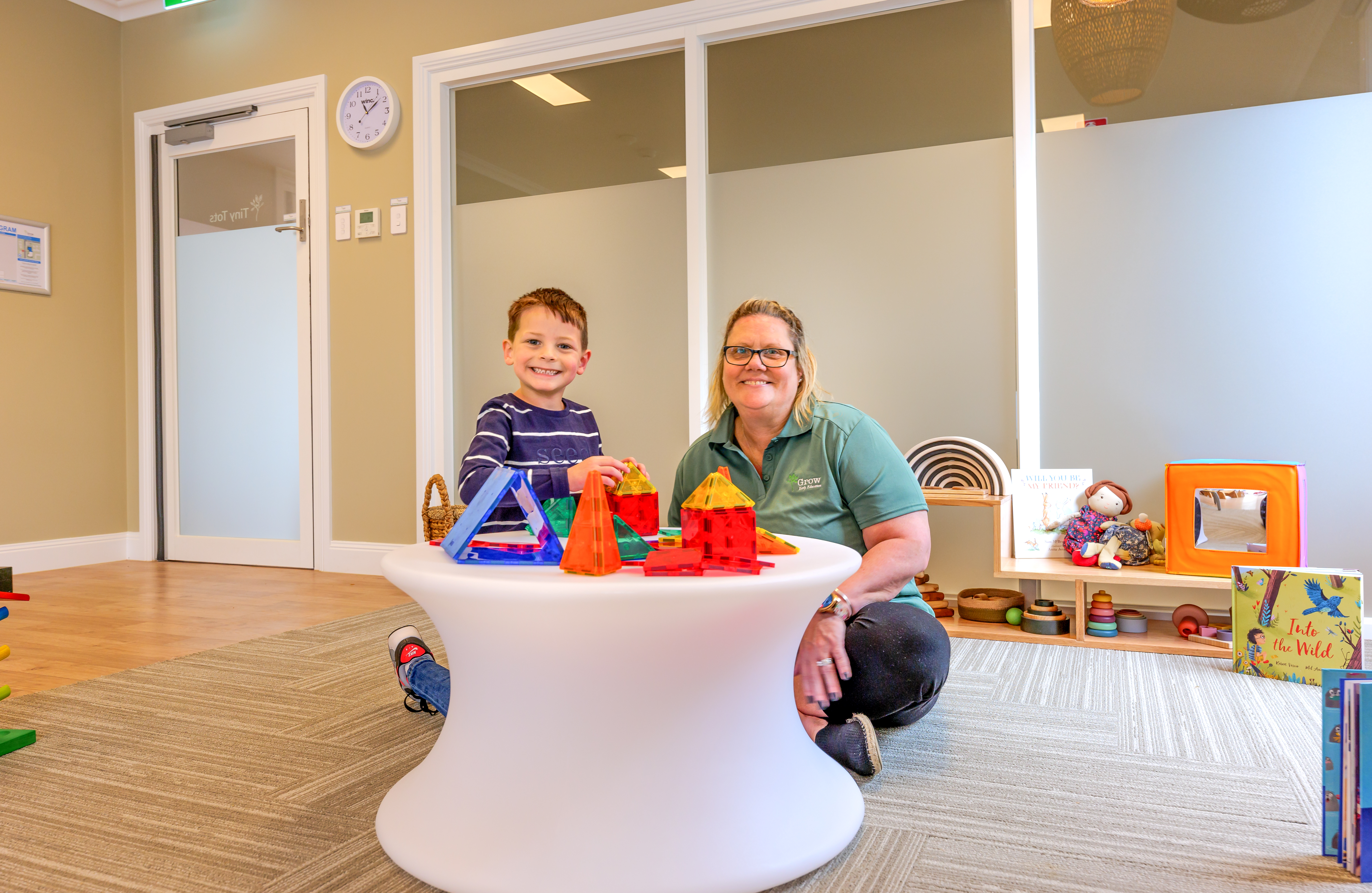
Is the Kindergarten or Preschool Program play-based at Grow Early Education?
Yes! Our Kindergarten and Preschool Programs are proudly play-based. Our Teachers adopt a stimulating play-based approach to their curriculum delivery, as well as tailoring the program to each child’s individual development needs.
Learning through play is one of the most important ways children learn and develop. You may have realised that as a parent, you don’t generally have to make children play or provide incentives to play. This is because children have a natural urge to play and playing brings a level of pleasure and interest which means it can be maintained without external rewards.
We also believe children learn best through hands-on, meaningful experiences. Through play, children build essential skills in:
- Language and early literacy
- Early maths and problem-solving
- Social interactions and emotional regulation
- Fine and gross motor development
We follow the Early Years Learning Framework and guidance from the Abecedarian Approach Australia (3a), which supports school readiness through fun, rich, and engaging learning. We also focus on providing a variety of extra-curriculars, incursions and excursions to ensure your child has a well-rounded early childhood education with us.
Will my child be ready for traditional schooling after Kindergarten or Preschool at Grow Early Education?
Yes! Our program is designed to prepare children for a smooth and confident transition to school. We focus on developing:
- Independence and self-help skills
- Confidence in learning and trying new things
- Social and emotional skills to make friends and work with others
- Foundational early literacy and numeracy skills
- Name recognition
Our Kindergarten or Preschool Teacher will also coordinate several visits to local schools across the year as part of your child’s transition to school process. By the end of their Kindergarten or Preschool year, children are well equipped to take on the routines and expectations of traditional schooling.
Do you provide a Transition Statement?
Yes! A formal discussion towards the end of the Kindergarten Year is scheduled to share information with parents and Teachers and support each child’s transition to school. This discussion provides an opportunity for parents and other partners to collaboratively create a summary of a child’s learning in the form of a Transition Statement.
This is a helpful summary of your child’s learning progress, strengths, and interests and it is shared with your child’s future school to help their new teachers support them from day one.
Do you offer Free Kindergarten or Preschool Fee Relief?
Yes, we do! Our established early education centres provide Government-approved Kindergarten or Preschool Programs, which means that families may be eligible for Free Kindergarten or Preschool Fee Relief (depending on your location and circumstances).
In Queensland, the state Government offers ‘Free Kindy’ for eligible children attending a Government-approved Kindergarten Program for up to 15 hours per week, 40 hours per year. For more information and eligibility criteria, head to the Queensland Government website.

In New South Wales, all our centres currently participate in the NSW Government’s ‘Start Strong’ program by providing a Government-approved Preschool Program. This means families may be eligible for Fee Relief, which provides up to $2,110 per year in fee subsidies for children enrolled in eligible community or long daycare settings. For more information and eligibility criteria, head to the New South Wales Government website.

In Victoria, the Victorian Government offers two years of ‘Free Kinder’ for eligible families who attend an approved 3-year-old and 4-year-old Kindergarten Programs. Funding will save Victorian families up to $2,627 per year per child. For more information and eligibility criteria, head to the Victorian Government website.
What does my child need to bring?
Our all-inclusive daily fee offers families a stress-free experience by providing children with all hats, sunscreen, meals, and snacks. This means all you need to pack is your child’s water bottle and hat (which we provide you as part of our ‘Enrolment Pack’) and a spare change of clothes!
Our Centre Chefs prepare nutritious meals and snacks fresh, daily in our in-house kitchen. Have peace of mind knowing your child is getting the nutrition they need to learn and grow with our seasonal menus providing over 50% of your child’s recommended daily nutritional intake.
Do you have qualified Teachers at your long daycare centres?
Yes! Our Teachers are University-qualified Teachers!
They have achieved a Bachelor of Early Childhood or equivalent qualification as approved by ACECQA (or are actively working towards their Bachelor qualification). In addition to being degree qualified, they must also have:
- Current approved first aid, anaphylaxis and asthma qualifications
- Current Working with Children Check
- Sound understanding of the EYLF and NQF

Why Choose Grow Early Education's Kindergarten or Preschool Program?
At Grow Early Education, our Kindergarten or Preschool Programs offer more to families than just preparation for school. It offers a nurturing, play-based environment where children feel safe, supported, and inspired to learn. With qualified Early Childhood Teachers; a variety of rich learning opportunities and experiences; nutritious chef-prepared meals; convenient long daycare hours; and our evidence-based Abecedarian Approach Australia (3a) approach to teaching, your child will thrive in every way.
How and when can we enrol for 2026?
Enrolments for our 2026 Kindergarten and Preschool Programs are opening very soon! To get a head start to securing your child’s place for next year, you can Register Your Interest now and Book a Tour of our inspiring centres today!
Follow us on Facebook to keep up to date with our Grow Early Education Kindergarten and Preschool Programs in action;
- Grow Early Education Bushland Beach
- Grow Early Education Bundaberg North
- Grow Early Education Darling Heights
- Grow Early Education Bridgeman Downs
- Grow Early Education Park Ridge
- Grow Early Education Toowoomba
- Grow Early Education Hervey Bay
- Grow Early Education Dalby
- Grow Early Education Riverton
- Grow Early Education Gunnedah
- Grow Early Education Kelso
- Grow Early Education Nowra Central
- Grow Early Education Narre Warren North
- Grow Early Education Heathmont
- Grow Early Education Frankston
At Grow Early Education, teaching hygiene and self-care skills is an essential part of our early childhood education program. These everyday routines may seem simple, but they play a big role in supporting children’s health, independence, and confidence.
Children aged 0–6 are still developing their immune systems and are more vulnerable to germs and illnesses. Teaching hygiene for children in these early years not only helps prevent the spread of disease, but also lays the foundation for lifelong habits.
In group settings such as childcare centres, hygiene practices like handwashing for children become even more important. With shared toys, meals, and learning spaces, it’s vital that children understand when and how to clean their hands and care for their bodies.
Handwashing is one of the simplest and most effective ways to prevent the spread of germs. At Grow Early Education, we make handwashing fun and easy to understand for children through songs, stories, and visual cues.

We teach children to:
- Wet their hands
- Apply soap
- Scrub for at least 15 seconds (sing a song to help!)
- Rinse thoroughly
- Dry their hands completely
Children are encouraged to wash their hands before eating, after using the toilet, after outdoor play, and any time they sneeze or cough. By turning handwashing into a routine part of their day, children quickly build healthy hygiene habits.

Download our handwashing poster to help your children nail their handwashing technique
Beyond hygiene, general self-care skills are an important part of every child’s development. These include:
- Brushing teeth
- Blowing their nose
- Putting on shoes and hats
- Using the toilet independently
- Packing away their belongings
Another important part of our daily routine is teaching children to be SunSmart. At Grow Early Education, children are encouraged to apply their own sunscreen each morning and before going outside to play. We set up Sun Safety Stations across our childcare centres to make this easy, fun, and accessible. Educators supervise and guide the process, helping children learn how to protect their skin while developing a sense of responsibility.

We also introduce the children to self-care in the form of regular check-ups for healthy teeth and eyes. That’s why we’re proud to host regular Dental and Optics visits, offering families convenient access to professional dental and eye screenings at the centres.
By introducing children to dental and vision checks in a familiar environment, we reduce anxiety and normalise these important health habits from a young age. It’s just one more way we help support every aspect of your child’s wellbeing.

These everyday moments support independence, fine motor skills, and healthy habits that will last a lifetime. At Grow Early Education, Educators support children through gentle guidance, role-modelling, and age-appropriate encouragement. We provide opportunities throughout the day for children to practise and master these self-help skills at their own pace.
Teaching children to care for themselves helps them develop independence and confidence, build fine motor and cognitive skills, understand routines and responsibility, and feel a sense of pride in their achievements.
When children are empowered to take care of themselves, they begin to feel more in control of their world, a key part of emotional development in early childhood education.
At Grow Early Education, our goal is to create a safe, nurturing environment where children thrive. By embedding hygiene routines and self-care practices into our daily program, we support children in becoming capable, confident, and healthy individuals.
We partner with families to ensure these habits are reinforced at home, creating consistency and routine between the childcare centre and home life.
Follow us on Facebook to see how our Grow Early Education centres incorporate self-care and hygiene to their daily curriculums.
- Grow Early Education Bushland Beach
- Grow Early Education Bundaberg North
- Grow Early Education Darling Heights
- Grow Early Education Bridgeman Downs
- Grow Early Education Park Ridge
- Grow Early Education Toowoomba
- Grow Early Education Hervey Bay
- Grow Early Education Dalby
- Grow Early Education Riverton
- Grow Early Education Gunnedah
- Grow Early Education Kelso
- Grow Early Education Nowra Central
- Grow Early Education Narre Warren North
- Grow Early Education Heathmont
- Grow Early Education Frankston
NAIDOC Week is a time to celebrate the history, culture, and achievements of Aboriginal and Torres Strait Islander Peoples. It’s also an opportunity to educate future generations about the importance of cultural respect and reconciliation. At Grow Early Education, NAIDOC Week holds special significance as we strive to embed cultural understanding into our programs and daily practices.
This year’s theme, “The Next Generation: Strength, Vision & Legacy", inspired meaningful experiences across our centres that honoured traditions, promoted learning, and connected children to the stories and practices of First Nations People.
Connecting to Culture and Country
At Grow Early Education Toowoomba, children participated in a range of experiences that celebrated the rich history and traditions of First Nations Peoples. Activities included collaborative art inspired by Indigenous artists, Dreamtime storytelling sessions, and music and movement with traditional instruments and songs. Educators also supported discussions about the deep connection between people and Country, helping children understand the importance of caring for the land they live on.

Traditional Face Painting
Grow Early Education Bundaberg North explored culture with the children through face painting using markings created with traditional dots and colours. This activity sparked conversations about the meaning behind these markings and their cultural significance, providing children with a hands-on learning experience.

Natural Ochre Painting
At Grow Early Education Darling Heights, children and Educators engaged in a variety of NAIDOC-themed activities such as puzzles and hand flag painting. A highlight of the week was creating natural paint using ochre, a type of rock traditionally crushed into powder and mixed with water to form a vibrant natural pigment. This hands-on process gave children a tactile understanding of traditional art-making techniques and the cultural importance of natural resources.

Exploring Indigenous Symbols
Grow Early Education Heathmont focused on teaching children about Indigenous symbols and their meanings. Using flashcards for reference, children practised replicating these symbols through mark-making activities, supporting both fine motor skill development and cultural learning.

Community Showcase and Bush Tucker
To close out NAIDOC Week, Grow Early Education Hervey Bay hosted a showcase event for families. This celebration featured a display of NAIDOC-themed artwork created throughout the week and included an array of Aboriginal-inspired food incorporating traditional flavours such as native berries and lemon myrtle. It was a wonderful way to bring families together to reflect on culture, history, and the children’s learning.

Collaborative Aboriginal Flag
At Grow Early Education Kelso, children worked together to create a large-scale Aboriginal flag using cut pieces of red, black, and yellow paper. This collaborative project not only celebrated NAIDOC Week but also promoted teamwork and pride in cultural expression.

We are proud to create an environment that encourages and nurtures the next generation to be culturally aware, respectful, and inclusive. Celebrating NAIDOC Week is one of the many ways we strengthen these values in our programs and ensure children grow up with an appreciation for the rich history and ongoing contributions of First Nations peoples.
At Grow Early Education, cultural learning is embedded into everyday practice, not just during NAIDOC Week. We believe that education plays a powerful role in reconciliation and building a brighter, more inclusive future.
Find out more about our approach to early childhood education and book a tour at your nearest centre here.

Stay up to date with our centres to see how they celebrate and acknowledge Indigenous and Torres Strait Islander cultures throughout the year.
- Grow Early Education Bushland Beach
- Grow Early Education Bundaberg North
- Grow Early Education Darling Heights
- Grow Early Education Bridgeman Downs
- Grow Early Education Park Ridge
- Grow Early Education Toowoomba
- Grow Early Education Hervey Bay
- Grow Early Education Dalby
- Grow Early Education Riverton
- Grow Early Education Gunnedah
- Grow Early Education Kelso
- Grow Early Education Nowra Central
- Grow Early Education Narre Warren North
- Grow Early Education Heathmont
- Grow Early Education Frankston
Your go to guide for making care more affordable this financial year.
Starting childcare is exciting, but navigating fees and government subsidies can feel overwhelming and confusing. To make your transition to childcare as easy and stress-free as possible, we’ve updated our popular CCS cheat sheet with all the key information that will apply from 7 July 2025 through 30 June 2026.
What is CCS?
The Child Care Subsidy is a payment the Australian Government sends straight to your childcare provider. It reduces your out of pocket fees so quality early education is within reach for every family.
Who can get it?
You or your partner must:
- Meet Australian residency requirements
- Be liable for childcare fees under a written agreement
- Meet the requirements for the CCS activity test or hold an approved exemption.
Your child must:
- Attend an approved childcare service in Australia
- Be under 13 years and not attending secondary school
- Be up to date with immunisations or have an approved exemption.
How much CCS will I receive?
The amount of CCS you are entitled to is based on a few key areas, such as your combined household income and the results of the CCS Activity Test.
- Family Income
Services Australia determines a family’s CCS percentage based on their estimated family income.
A family’s CCS subsidy rate is the percentage of the hourly rate that the government will subsidise. It will apply to the hourly fee or the relevant hourly rate cap, whichever is lower.
 Standard subsidy rates for the first child, 0-5 years of age.
Number of Children in Care
Families with more than one child aged 5 or under in care may receive a higher subsidy for their second child and younger children. Siblings do not need to attend the same service to get a higher subsidy.
The rates for each child are worked out using two separate income tests.
 Higher subsidy rates for second and younger siblings
- Activity Test
The hours of subsidised care a family can get each fortnight depends on their activity level. The higher the level of activity, the more hours of subsidised care families can get.
Services Australia looks at both parents’ activity levels. They use the parent with the lower activity level to determine a family’s hours of subsidised care.
Families need to do a recognised activity to get CCS. Exemptions apply for parents who cannot meet activity test requirements.
 Activity hours according to the Services Australia website for the 2025-2026 financial year
There are certain circumstances that you may meet, where you will be exempt from the activity test, and be eligible for 100 hours of subsidised care per fortnight. These include: if you have a disability or impairment or if you are a grandparent who is the principal carer for your grandchild, and you do not receive income support payments (see our section on Additional Child Care Subsidy if you do). There are many other reasons you may be exempt.
Visit the Services Australia website to find out if you are within the guidelines for an exemption.
What’s changes are coming in 2026?
The Government’s proposed 3 day guarantee would give every CCS eligible child 72 hours (~3 days) per fortnight, and 100 hours for First Nations children, regardless of activity.
Legislation is before parliament, watch this space for a 2026 start date.
Payments, withholding & reconciliation
Your CCS is paid directly to your childcare provider. This means you’ll only ever pay your childcare provider the difference between your subsidy amount and the full fee.
That’s why it’s essential to apply for the Child Care Subsidy well before your child begins care. We recommend submitting your application at least two months in advance to allow time for approval and ensure your subsidy is in place from day one.
While your child can start care before your CCS is approved, please note that you will be responsible for paying full fees during this time. If you’re a new applicant, CCS can only be backdated up to 28 days from the date your application is submitted, and any back payments will be reimbursed to you directly, not to the centre.
The Australian Government will withhold 5% of your CCS entitlement before it is paid to your childcare provider. This is to reduce the likelihood of you incurring a debt by being overpaid your CCS entitlement.
Absences
You can claim CCS for up to 42 paid absence days per child, per financial year (public holidays, sickness, family reasons). Additional absences may be covered in special circumstances and require further evidence. Find out more on absences here.
Additional absence days can be paid by Centrelink, provided the circumstances meet those defined by the Family Assistance Law. Some of these include if the service is closed due to an emergency.
Additional Child Care Subsidy (ACCS)
ACCS tops up CCS for families:
- Facing financial hardship
- Caring for a grandchild full time
- Transitioning to work from income support
- Where a child is vulnerable or at risk
Find the full list of circumstances for eligible ACCS here.
New to CCS? Here's a final checklist for you:
✔ Apply at least two months before the start date
✔ Update MyGov quickly if your income or activity changes
✔ Keep immunisations current and up to date
Need a hand?
Our Grow Early Education Enrolments Team is here to guide you through the CCS maze. Book a centre tour or call us anytime. Let’s make quality early education affordable for your family in 2025-2026!
Please note, this is only a simplified guide to CCS. For a more detailed overview and more information, head to the Australian Government Services Australia website at https://www.servicesaustralia.gov.au/child-care-subsidy
Find a Grow Early Education centre near you and book a tour to discover the Grow difference!
- Grow Early Education Bushland Beach
- Grow Early Education Bundaberg North
- Grow Early Education Darling Heights
- Grow Early Education Bridgeman Downs
- Grow Early Education Park Ridge
- Grow Early Education Toowoomba
- Grow Early Education Hervey Bay
- Grow Early Education Dalby
- Grow Early Education Riverton
- Grow Early Education Gunnedah
- Grow Early Education Kelso
- Grow Early Education Nowra Central
- Grow Early Education Narre Warren North
- Grow Early Education Heathmont
- Grow Early Education Frankston
- Grow Early Education Tarneit
At Grow Early Education, we love sparking creativity in every season, and winter is no exception! With the cold weather well and truly upon us, it’s the perfect excuse to rug up indoors and enjoy some cosy craft time with your little ones. Arts and crafts support fine motor development, creativity, and imagination, and best of all, they’re loads of fun!
In this week's blog, we have compiled some of our favourite winter-themed craft ideas to try at home with your child.
Winter Sensory Snowflakes
Use cotton balls, wool, or tissue paper to create soft and textured snowflakes. Cut or outline snowflake shapes using cardboard or thick paper and let your child glue soft materials onto them for a sensory experience. This activity encourages sensory development and fine motor skills.

Puffy Paint Snow Scenes
Mix equal parts shaving cream and white glue to create your very own puffy paint. Use it to design a wintery scene, think snow-covered trees, mountains, or imaginary snow creatures! This is a great activity to develop creative expression and cause-and-effect learning.

DIY Pine Cone Creatures
During your next nature walk, collect pine cones and other natural elements to turn into little creatures! You can add googly eyes, felt, or even pipe cleaners to bring imaginations to life. This activity supports nature exploration and imaginative play.

Snowy Tree Collage
Create a winter tree by gluing twigs or tree cutouts to a sheet of paper, using cotton balls, white paint, or glitter, simulate how the snow would fall. You could also use a sponge to dab on “snowflakes.” Participating in this activity can foster skills around creativity and storytelling.

Arts and crafts are so much more than just fun for little ones, they’re a vital part of early childhood development. Craft activities help children build fine motor skills, develop hand-eye coordination, and express their emotions in a creative and meaningful way. Through simple materials and open-ended exploration, children learn to problem-solve, experiment, and share their ideas with confidence. Whether at home or in our centres, craft time is a wonderful way to nurture imagination, connection, and learning!
Stay up to date with our Grow Early Education centres and see how we incorporate art into our everyday curriculum.
- Grow Early Education Bushland Beach
- Grow Early Education Bundaberg North
- Grow Early Education Darling Heights
- Grow Early Education Bridgeman Downs
- Grow Early Education Park Ridge
- Grow Early Education Toowoomba
- Grow Early Education Hervey Bay
- Grow Early Education Dalby
- Grow Early Education Riverton
- Grow Early Education Gunnedah
- Grow Early Education Kelso
- Grow Early Education Nowra Central
- Grow Early Education Narre Warren North
- Grow Early Education Heathmont
- Grow Early Education Frankston
As the school holidays roll around and the winter chill sets in, many families find themselves wondering how to keep their school-aged children happy, active, and engaged. That’s where Grow Early Education's Winter Vacation Care Program comes in!
Our Vacation Care Programs are available at select Grow Early Education centres across Australia, offering a warm and welcoming space where children can enjoy fun-filled experiences, socialise with peers, and take part in exciting, educational activities.
Whether you’re a working parent looking for full holiday care or just want your child to enjoy a few days of adventure, our long daycare centre's Vacation Care options are here to support you and your family.
Winter Vacation Care at Grow Early Education is a school holiday program designed for primary school children aged 5 to 12 years. Run by qualified and caring Educators, the program features a thoughtfully curated schedule of seasonal fun; think winter crafts, themed dress-up days, sports, science experiments, cooking, and more!
Our programs are held at our purpose-built, long daycare centres, giving families the flexibility of longer opening hours, nutritious meals provided, and a safe environment that feels like a home away from home.
Why Choose Grow Early Education's Vacation Care?
✅ Flexible hours: Our centres are open extended hours to suit working families (most centres are open 6:30am to 6:30pm)
✅ All meals included: Nutritious breakfast, lunch, and snacks prepared fresh daily by our in-house chef
✅ Engaging activities: From winter STEM experiments to games, cooking, and art
✅ Experienced Educators: Children are supported by trained and caring professionals
✅ Safe, inclusive spaces: Designed to make every child feel welcome and valued
✅ Casual bookings available: You don't need to be enrolled in our centre prior to enjoy our Vacation Care Program

Participating Centres and What’s On These Holidays
Here’s a sneak peek at some of the exciting programs on offer at our participating centres this winter:
Grow Early Education Toowoomba:
Grow Early Education Toowoomba are offering children a variety of age-appropriate adventures, including Teddy Bear Picnics, Superhero Dress-Up Days, and Scavenger Hunts. The Program is designed to spark imagination, encourage social play, and keep children active and engaged throughout the whole school holidays. Find the whole list of adventures planned here!
Grow Early Education Heathmont in Melbourne:
At Grow Early Education Heathmont, children are stepping into the world of science with a range of exciting STEM-based activities during these school holidays. From kitchen science to explosive experiments, little learners will explore messy, sensory-rich, and thought-provoking experiences that ignite curiosity and creativity. Find the full list of vacation care activities for Heathmont here!
Grow Early Education Tarneit in Melbourne:
Grow Early Education Tarneit are turning up the energy this winter with a special visit from Little Sports Heroes! The team are gearing up for fun sports and active play days designed to keep children staying warm and cozy through the chilly winter. Check out the full list of children's activities here!
Grow Early Education Narre Warren North in Melbourne:
Step into a magical Winter Wonderland at Narre Warren North as the centre celebrates Christmas in July! Children will be busy crafting festive decorations by building snowmen, creating snowflakes, and making their very own cheeky elf. It’s a joyful, creative experience that captures the magic of the season and keeps little hands busy with holiday cheer. See the full list of Winter cheer here!

Our Vacation Care Programs are built around fun, safety, and nurturing relationships between Educators and fellow peers. Whether your child loves getting messy with arts and crafts or playing together in team games, our upcoming winter vacation care program has something for every child!
Give our Enrolments Team a call today on 1300 934 769 to secure your child's place. Casual bookings and full-time bookings are now available.
Learn more about our Vacation Care Program here.
Choosing the right Kindergarten or Preschool Program for your child is an important decision, especially when balancing work; family life; and preparing your child for formalised schooling; all need to be considered. That’s why our Kindergarten and Preschool Programs are thoughtfully designed and led by Bachelor degree-qualified Teachers, to deliver educational excellence and a school readiness program - all with the convenience of long day care hours.
Led by university-qualified Early Childhood Teachers and guided by the approved Early Years Learning Framework (EYLF), our programs provide children with strong foundations for school and lifelong learning, all within a nurturing early education environment.
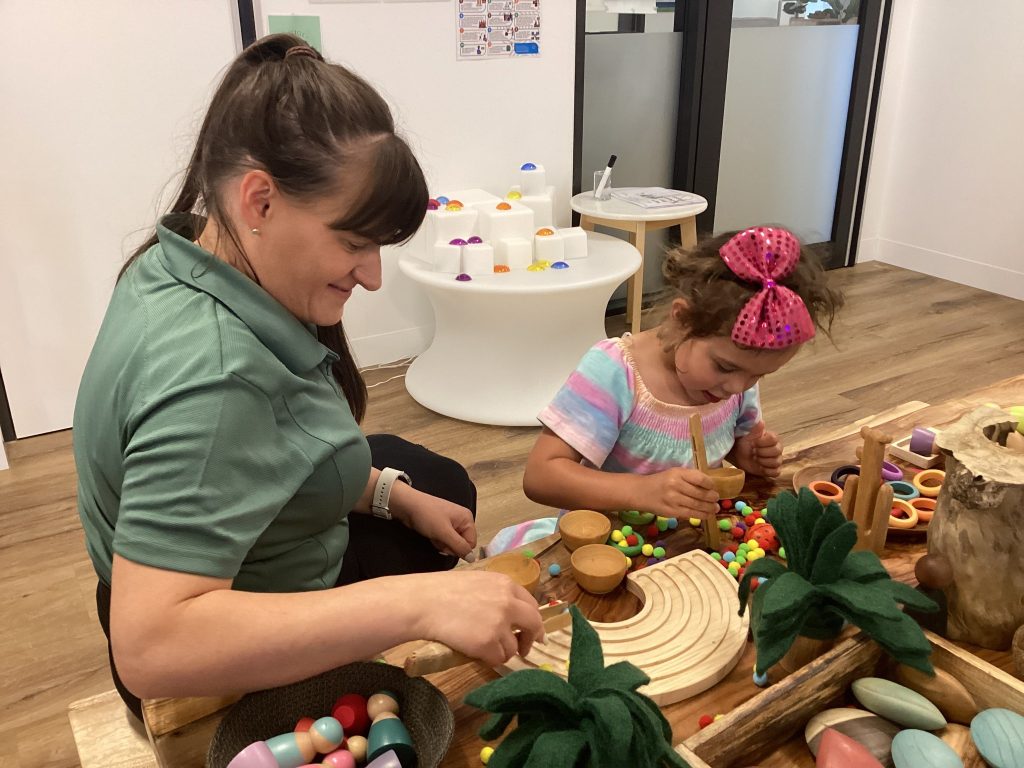
Why Choose Grow Early Education's Kindergarten or Preschool Program?
At Grow Early Education, our Kindergarten and Preschool Programs are designed to support busy families while still delivering a high-quality, government-approved early learning curriculum.
Here’s how Grow Early Education's Kindergarten or Preschool Program can be the perfect fit for your family:
- Long hours for working families: Enjoy extended care from early mornings to late afternoon, perfect for working parents or those with full schedules.
- 'Free' kindergarten or fee relief for Preschool for eligible children: Take advantage of Government funding, which means eligible children can attend 'Free' Kindergarten in Victoria and Queensland or receive fee relief for our Preschool Programs in New South Wales.

- Approved curriculum and added flexibility: Our program meets all of the educational requirements in a flexible, long day care environment. That means:
✅ flexibility for the number of hours and days you want your child to attend
✅ All-inclusive daily fees (meals, nappies, excursions, extra-curriculars, and access to our family communication app all in one fee)
✅ Year-round care, including school holidays
- A focus on key learning goals: We have been in consultation with local schools and they have guided us on the learning goals for children, that will assist them in their transition to formal school:
- Toileting – I can use the toilet and wash my hands by myself.
- Independence – I can open up my lunch box and fill up my own water bottle. I can dress and undress myself such as putting on my own shoes and hat.
- Emotional Skills – I can communicate my wants and needs.
- Name Writing & Recognition – I can recognise my name and attempt to write it.
- Cognitive Abilities – I can retell a story or event. I can solve problems on my own.
- Literacy & Numeracy Skills – I can recognise some letters and sounds. I can recognise some numbers. I can recognise some shapes.
- Social Skills Awareness – I can take turns with others. I can wait in line and follow instructions. I can ask and answer questions to take part in conversations.
- Fine Motor Skills – I can hold a pencil and crayon. I can cut and use scissors safely.
- Whole Body Listening – I can sit on the mat to participate in group time with my friends and teacher. I can actively take part in group learning.
- Formal discussions and transition statements: A formal discussion between parents and the teacher is held at the end of the year to support each child’s transition to school by collaboratively creating a transition statement. This strengths-based statement provides a snapshot of the child’s knowledge, skills, and dispositions across the five learning and development areas.
- School readiness initiatives to ease nerves: To help your child feel confident and excited about formalised school structures, we introduce regular school readiness initiatives. These could include fun and practical activities such as:
- Lunchbox days where children practice opening their own containers and eating from a packed lunch
- Uniform days where children wear their school uniforms, helping them prepare for daily routines and independence
- Visits to local schools across the year as part of your child’s transition to school process
- School-like routines such as sitting in group time, following simple instructions, and increasing independence with toileting and self-care
- Education-Focused: Children learn through play and structured learning activities in line with the Early Years Learning Framework (EYLF), led by qualified Early Childhood Teachers.
- Reduced transition stress: If your little one already attends one of our centres, our Kindergarten and Preschool Programs are delivered within the same nurturing environment your child already knows and loves. With consistent Educators, familiar routines, and strong peer relationships, children experience a smooth and secure learning journey. This continuity supports emotional well-being, builds confidence, and allows your child to fully engage in their day, without the added stress of adapting to multiple environments.
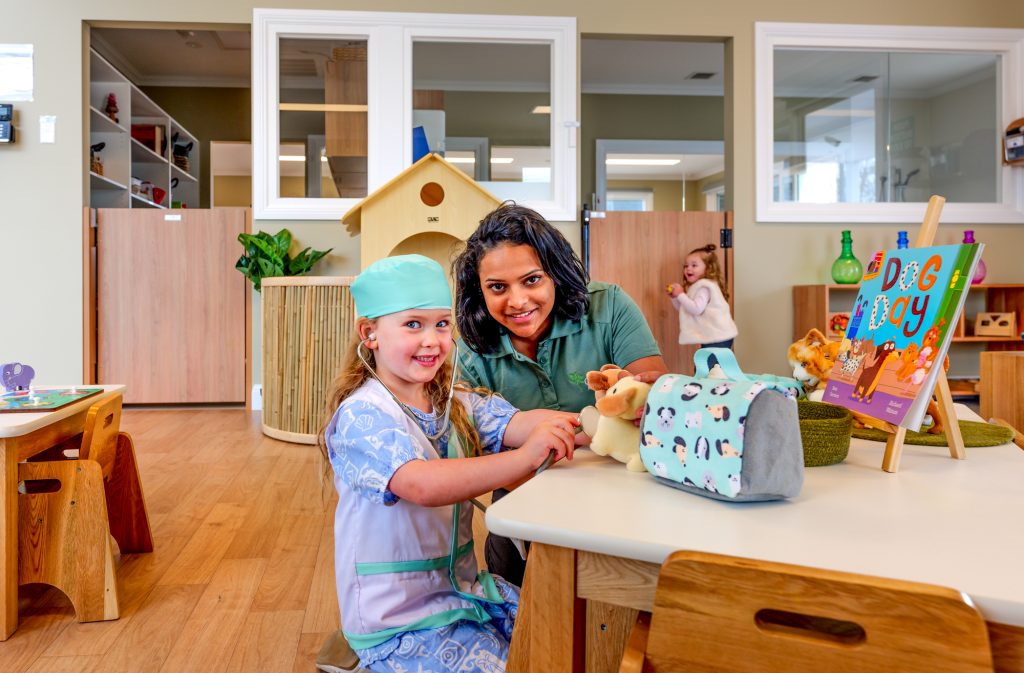
Planning ahead? We are now taking enquiries for our 2026 Kindergarten or Preschool Program. Register your interest today to secure your child’s place and give them a strong educational foundation.
Follow us on Facebook to stay up to date!
- Grow Early Education Bushland Beach
- Grow Early Education Bundaberg North
- Grow Early Education Darling Heights
- Grow Early Education Bridgeman Downs
- Grow Early Education Park Ridge
- Grow Early Education Toowoomba
- Grow Early Education Hervey Bay
- Grow Early Education Maroochydore
- Grow Early Education Dalby
- Grow Early Education Riverton
- Grow Early Education Gunnedah
- Grow Early Education Kelso
- Grow Early Education Nowra Central
- Grow Early Education Narre Warren North
- Grow Early Education Heathmont
- Grow Early Education Frankston
