At Grow Early Education, we believe in giving every child the best start to their educational journey. One of the most powerful tools we use in our long day care and kindergarten/Preschool programs is phonics. Phonics is a foundational skill that plays a key role in developing early reading, language, and communication abilities and supports confidence in early childhood.
In this week’s blog, we’re exploring the importance of phonetic sounds and how they help shape confident, capable learners—setting children up for success not only in school but in life.
What is Phonics?
Phonics is the method of teaching children the relationship between sounds and the letters or groups of letters that represent those sounds. Rather than memorising whole words by sight, phonics helps children decode words by sounding them out.
For example:
- A makes the sound “ah” as in apple.
- B makes the sound “buh” as in ball. ⚽
- S makes the sound “sss” as in sun. ☀️
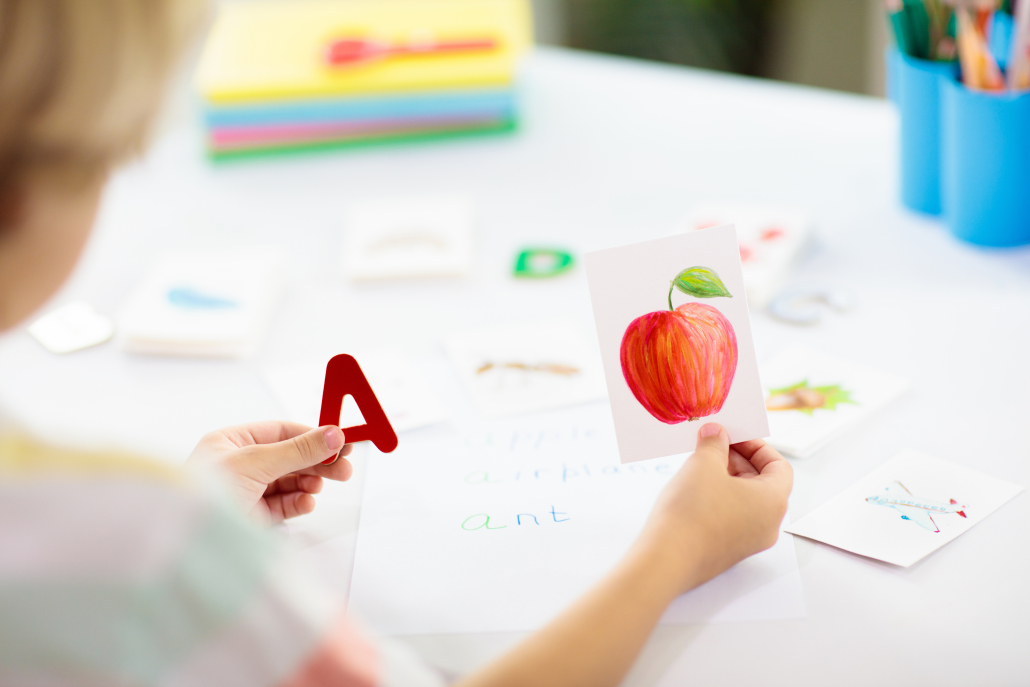
Understanding these sounds gives children the tools they need to decode unfamiliar words, improve their spelling, and become confident readers and communicators.
Research shows that phonics instruction significantly improves children’s reading and writing skills. At Grow Early Education, we understand how critical this stage is in a child’s development. That’s why our qualified Educators and Early Childhood Teachers incorporate phonics and phonemic awareness into our daily routines.
Phonics helps children:
- Recognise and produce individual letter sounds
- Blend sounds together to read new words
- Identify sounds at the beginning, middle, and end of words
- Develop strong vocabulary and comprehension skills
- Grow in confidence and enjoy the process of learning

Our curriculum is guided by the Early Years Learning Framework (EYLF), which emphasises communication, literacy, and language development as key learning outcomes. Phonetic learning aligns beautifully with the EYLF’s vision for children to become confident and effective communicators.
Through play-based learning experiences that are both meaningful and engaging, we provide opportunities for children to explore sounds, language, and storytelling in ways that feel natural and fun.
At Grow Early Education, we also follow the Abecedarian Approach – a research-based teaching method that supports language development through intentional, high-quality interactions. This includes strategies such as:
- Learning Games that promote turn-taking and communication
- Conversational Reading that fosters vocabulary and comprehension
- Language Priority in everyday routines
These strategies complement phonetic learning, helping children not only understand sounds but also use language to express ideas, ask questions, and build relationships.
Families play an important role in supporting their child’s early literacy journey. Here are a few simple ways you can reinforce phonics at home:
- Read with your child every day and talk about the sounds letters make
- Sing songs and nursery rhymes that play with rhyme and rhythm
- Play games like “I Spy” using beginning letter sounds
- Encourage your child to sound out words while reading signs, labels, and books
We are passionate about creating a love for learning that lasts a lifetime. By integrating phonics into our early education program, we empower children to build strong literacy foundations, setting them up for success as they move through kindergarten and beyond.
Discover how we bring the Early Years Learning Framework and the Abecedarian Approach Australia (3a) to life with phonics and more —follow us on Facebook to see meaningful learning in action.
- Grow Early Education Bushland Beach
- Grow Early Education Bundaberg North
- Grow Early Education Darling Heights
- Grow Early Education Bridgeman Downs
- Grow Early Education Park Ridge
- Grow Early Education Toowoomba
- Grow Early Education Hervey Bay
- Grow Early Education Maroochydore
- Grow Early Education Dalby
- Grow Early Education Riverton
- Grow Early Education Gunnedah
- Grow Early Education Kelso
- Grow Early Education Nowra Central
- Grow Early Education Narre Warren North
- Grow Early Education Heathmont
- Grow Early Education Frankston
In recent years, the educational landscape has witnessed a significant shift towards play-based learning curricula, particularly in early childhood education. This approach recognises the inherent value of play as a fundamental aspect of how children learn and develop. In this blog, we will explore play-based learning, its key principles, and its numerous benefits to young learners.
What is Play-Based Learning?
Play-based learning is an educational philosophy that emphasises the importance of play as a primary mode of learning for children. Unlike traditional, teacher-directed instruction, play-based learning encourages children to engage in hands-on, experiential activities that stimulate curiosity, creativity, and critical thinking. This curriculum is designed to be flexible, allowing children to explore their interests and learn at their own pace.

Key Principles of Play-Based Learning
- Child-Centred Approach: At the heart of play-based learning is the belief that children are active participants in their own learning. Educators serve as facilitators, providing guidance and support while allowing children to take the lead in their exploration.
- Integration of Learning Areas: Play-based curriculum often integrates various learning domains, such as social-emotional, cognitive, physical, and language development. Through play, children can engage in activities that promote multiple skills simultaneously.
- Real-Life Experiences: Play-based learning often involves real-life scenarios and experiences, allowing children to make connections between their play and the world around them. This relevance enhances their understanding and retention of information.
- Collaboration and Social Interaction: Play encourages collaboration and social interaction among children. Through group activities, children learn to communicate, negotiate, and work together, fostering essential social skills.
- Encouragement of Creativity: Play-based learning nurtures creativity by providing children with the opportunities to express themselves through imaginative play, art, music, and storytelling. This creative exploration is vital for cognitive and emotional development.
Benefits of Play-Based Learning
- Enhanced Cognitive Development: Play-based activities stimulate critical thinking and problem-solving skills. Children learn to ask questions, experiment, and find solutions, which are essential cognitive skills for lifelong learning.
- Improved Social Skills: By engaging in cooperative play, children develop social skills such as sharing, empathy, and conflict resolution. These interactions help them build friendships and navigate social dynamics effectively.
- Emotional Growth: Play allows children to express their emotions and experiences in a safe environment. Through role-playing and imaginative scenarios, they can explore feelings, learn self-regulation, and develop emotional resilience.
- Physical Development: Many play-based learning activities involve physical movement, which supports the development of gross and fine motor skills. Activities such as climbing, jumping, and manipulating objects enhance coordination and overall physical health.
- Increased Motivation and Engagement: Play-based learning fosters intrinsic motivation. Children are more likely to engage deeply with activities that they find enjoyable and interesting, leading to a positive attitude towards learning.
- Preparation for Future Learning: The skills acquired through play-based learning set a solid foundation for future academic success. Children develop a love for learning, curiosity, and the ability to think critically, which are essential for their educational journey.

How do we Implement Play-Based Learning in Early Childhood Education?
To effectively implement a play-based learning curriculum, Educators can:
- Create a stimulating environment that encourages exploration and creativity.
- Provide a variety of materials and resources that support different types of play, including sensory play, dramatic play, and construction play.
- Observe and assess children's interests and learning styles to tailor activities that resonate with them.
- Foster a positive and supportive atmosphere where children feel safe to express themselves and take risks in their learning.
- Have fun, engage and play with children. Choose your moments to sit back and observe, actively engage or wait to be invited into the play. Make play-based learning a fun and engaging time for children to have your full attention.
Play-based learning is more than just fun; it is a powerful educational approach that supports holistic development in children. By embracing play as a fundamental part of the learning process, educators can create enriching experiences that foster cognitive, social, emotional, and physical growth. As we continue to recognize the significance of play in education, we pave the way for a generation of curious, confident, and capable learners ready to thrive in an ever-changing world.
Stay up to date with our Grow Early Education centres on Facebook to see what amazing play-based activities Educators incorporate into their daily curricula.
- Grow Early Education Bushland Beach
- Grow Early Education Bundaberg North
- Grow Early Education Darling Heights
- Grow Early Education Bridgeman Downs
- Grow Early Education Park Ridge
- Grow Early Education Toowoomba
- Grow Early Education Hervey Bay
- Grow Early Education Maroochydore
- Grow Early Education Dalby
- Grow Early Education Riverton
- Grow Early Education Gunnedah
- Grow Early Education Kelso
- Grow Early Education Nowra Central
- Grow Early Education Narre Warren North
- Grow Early Education Heathmont
- Grow Early Education Frankston
Embarking on the journey of childcare can be both exciting and daunting for parents. As you prepare to transition your child into a childcare setting, it’s important to understand what to expect, how to choose the right service, and the myriad benefits that childcare offers for your child's development. This guide aims to simplify the process and provide essential insights.
What to Expect When Starting Childcare:
- Adjustment Period: The initial days of childcare can be an adjustment for both children and parents. It’s normal for children to experience separation anxiety or hesitation when entering a new environment. Expect some emotional responses, which may include tears or clinginess. With time, most children adapt well to their new routine. Bringing along a comfort item or family photo can assist with the transition. Informing the Educators about your child’s specific interests will help with this transition; this way, they can spark their interest and take this opportunity as a distraction technique.
- Daily Routine: Childcare centres typically have a structured daily schedule that includes activities such as playtime, meals, nap time, and educational sessions. Familiarising your child with this routine can help them feel more secure as they transition. For younger babies and infants, look for centres that cater to your child’s individual routine to minimise disruption between care environments.
- Communication with Caregivers: Regular communication with caregivers is essential. Most childcare centres provide daily reports or updates on your child’s activities, progress, and any concerns. This partnership between parents and caregivers helps ensure that your child's needs are met.
- Health and Safety Protocols: Quality childcare facilities prioritise health and safety. Expect thorough policies regarding hygiene, nutrition, and emergencies. Staff should be trained in first aid and child development, providing peace of mind for parents.

How to Choose the Right Childcare Service:
- Research Options: Start by researching different types of childcare services available in your area, such as daycare centres, family childcare homes, or preschools/kindergartens. Each option has its own advantages, so consider your child’s personality and your family’s needs.
- Visit Facilities: Schedule visits to potential childcare centres. Observe the environment, cleanliness, and safety measures. Pay attention to how Educators interact with the children, as this can reflect the level of care and attention your child will receive.
- Ask Questions: Prepare a list of questions to ask during your visits. Enquire about staff qualifications, child-to-caregiver ratios, daily routines, and how they handle discipline and conflict resolution. Understanding their approach to learning and development is crucial.
- Check References and Reviews: Seek recommendations from other parents and read online reviews. Feedback from other families can provide valuable insights into the quality of care and the experiences of children in that environment.
- Trust Your Instincts: Ultimately, trust your instincts when it comes to choosing a childcare service. If a place feels right for you and your child, it’s likely to be a good fit.

Benefits of Childcare for Children:
- Social Skills Development: One of the primary benefits of childcare is the opportunity for children to socialise with peers. They learn vital social skills, including sharing, cooperation, and conflict resolution, which are essential for building relationships.
- Emotional Growth: Childcare fosters emotional development by allowing children to express their feelings in a supportive environment. Caregivers help children understand and manage their emotions, promoting resilience and emotional intelligence.
- Cognitive Advancement: Engaging activities and structured learning experiences in childcare settings stimulate cognitive development. Children are introduced to concepts such as numbers, letters, and problem-solving through play, setting a strong foundation for future learning.
- Physical Development: Many childcare programs emphasise physical activity, helping children develop their motor skills. Outdoor play and structured physical activities encourage healthy habits and promote overall well-being.
- Preparation for School: Childcare serves as a crucial stepping stone to formal education. Children become accustomed to routines and expectations, helping them transition smoothly into primary school and beyond. Many states across Australia now have state-based Kindergarten/Preschool funding, so be sure to ask about this during your tour!
- Diverse Experiences: Quality childcare exposes children to diverse cultures, languages, and perspectives. This exposure fosters inclusivity and helps children appreciate differences, preparing them for a multicultural world.
Starting childcare can be a significant step for both parents and children. By understanding what to expect, carefully choosing the right service, and recognising the benefits of childcare, you can ensure a positive experience for your child. This journey not only supports their development but also enriches their lives with valuable skills and connections that will serve them well in the future. Embracing this transition with an open mind and heart can lead to a rewarding experience for your entire family.
At Grow Early Education, we embrace Australia’s rich multicultural heritage and believe in fostering a sense of belonging, respect, and inclusivity within our long daycare centres. Harmony Week, celebrated from March 17th to 23rd, is a wonderful opportunity to teach children about acceptance, respect, and unity while celebrating the diverse backgrounds that make up our communities.
This nationwide celebration highlights the importance of inclusiveness and cultural respect for all Australians, regardless of their background. The signature orange colour of Harmony Week represents meaningful conversations, communication, and mutual understanding—values we strive to instil in the children every day.
Throughout Harmony Week, our Grow Early Education centres across Australia will engage in various fun and educational activities that celebrate diversity and inclusion. Here’s how we have been getting involved so far:
- Dress-Up Day – At Grow Early Education Gunnedah, children and Educators embraced diversity by dressing in traditional attire or wearing orange. They engaged in fun, themed activities, including arts and crafts sessions to further develop their understanding of what Harmony Week represents.

- Multicultural Experiences – Across our Grow Early Education centres, we regularly engage with and share stories from different cultures, whether it be from our local Indigenous Australians or international cultures and holidays.

- Diversity Art Projects – The children at Grow Early Education Bridgeman Downs created art pieces to showcase to their families around the centre. With the help of the Educators, children used their handprints to create personal details on their Harmony Day flowers. They also worked together to create their "Diversity Tree" using handprints as the leaves.

At Grow Early Education, we understand that early childhood is a critical time to instil values of respect, understanding, and inclusivity. By celebrating Harmony Week, we provide children with meaningful experiences that help them appreciate and embrace the differences that make each person unique. These celebrations encourage lifelong respect for diversity, fostering a future generation that values unity and kindness.
Let’s celebrate Harmony Week together and continue to nurture a world where everyone belongs!
Stay up to date with your nearest Grow Early Education centres Harmony Week celebrations on Facebook.
- Grow Early Education Bushland Beach
- Grow Early Education Bundaberg North
- Grow Early Education Darling Heights
- Grow Early Education Bridgeman Downs
- Grow Early Education Rochedale Central
- Grow Early Education Park Ridge
- Grow Early Education Toowoomba
- Grow Early Education Hervey Bay
- Grow Early Education Maroochydore
- Grow Early Education Dalby
- Grow Early Education Riverton
- Grow Early Education Gunnedah
- Grow Early Education Kelso
- Grow Early Education Nowra Central
- Grow Early Education Narre Warren North
- Grow Early Education Heathmont
- Grow Early Education Frankston
As Cyclone Alfred approaches the SE QLD and NE NSW coasts, staying indoors is the safest option for families. At Grow Early Education, we understand that keeping little ones entertained while at home can be a challenge, so we’ve put together a list of fun and educational activities for children aged 0-6 to enjoy while staying safe indoors.
Activities for Babies (0-12 Months)
- Sensory Play – Fill a ziplock bag with hair gel and small objects (such as beads or sequins) and tape it to the floor for a safe and engaging sensory experience.
- Peekaboo Fun – Use scarves or blankets to play peekaboo and encourage laughter and connection.
- Tummy Time Adventures – Place toys or mirrors in front of your baby during tummy time to strengthen their muscles and stimulate curiosity.
- Soft Music & Movement – Play gentle music and sway with your baby or let them explore sounds with simple musical toys.
Activities for Toddlers (1-3 Years)
- Indoor Obstacle Course – Use pillows, blankets, and furniture to create a safe, fun obstacle course to crawl through.
- Water Play – Fill a sink or a shallow container with water and provide cups and spoons for pouring fun. Always supervise closely.
- DIY Sensory Bins – Fill a tub with rice, pasta, or shredded paper and hide small toys inside for your Toddler to discover.
- Storytime & Puppet Shows – Read books together or create simple sock puppets to act out their favourite stories.
Activities for Preschoolers (3-6 Years)
- Baking Together – Make simple recipes such as cookies, muffins, or banana bread, letting children help by mixing and pouring ingredients. You could even try your hand at making your own play dough!
- Art & Craft Corner – Use paper, crayons, stickers, and recycled materials to create unique art projects.
- Treasure Hunts – Hide small toys around the house and give clues to help children find them.
- Yoga & Movement Games – Try simple Children's yoga poses or play “Freeze Dance” to get some energy out while indoors.
Bonus Family Activities
- Indoor Camping – Build a fort with blankets and cushions, and have a pretend indoor camping adventure with stories and snacks.
- Movie & Popcorn Night – Pick a family-friendly movie and make it a special event with homemade popcorn.
- Building Challenges – Use LEGO, blocks, or household items to build creative structures together.
While the weather may be wild outside, your home can be filled with warmth, laughter, and learning. Stay safe and have fun with your little ones during this time!
Stay safe and happy playing!
Please note, the following centres are currently closed today due to Cyclone Alfred:
- Grow Early Education Bridgeman Downs
- Grow Early Education Rochedale Central
- Grow Early Education Riverton
- Grow Early Education Park Ridge
- Grow Early Education Darling Heights
- Grow Early Education Toowoomba
- Grow Early Education Maroochydore
The Australian Government is making significant changes to the Child Care Subsidy (CCS) to provide more support for families and move towards a universal early education and care system. Announced on 11 December 2024, these changes will take effect from 5 January 2026, ensuring that more families receive subsidised childcare hours.
Key Changes to the CCS in 2026
The new subsidy rules will make childcare more accessible by adjusting how subsidised hours are calculated. Here’s what will change:
Minimum of 3 Days of Subsidised Care per Week for All Families
- All CCS-eligible families will now receive three days of subsidised childcare per week for each child, regardless of their work or study commitments.
- This means that more children will have access to early education and care, supporting their learning and development.
Increased Support for First Nations Families
- Families caring for First Nations children will receive 100 hours of subsidised care per fortnight per child.
- This measure aims to provide greater access to childcare and early education for Indigenous communities, supporting cultural and educational growth.
Additional Support for Working, Training, and Volunteering Families
Families will continue to receive 100 hours of subsidised care per fortnight per child if they:
- Work, train, study, or volunteer for more than 48 hours per fortnight.
- Qualify for an exemption under the CCS rules.
How CCS Eligibility is Determined
While the changes expand access to subsidised care, the actual subsidy percentage families receive will still depend on:
- Combined family income – Higher-income families may receive a lower subsidy rate.
- Hourly rate caps – The government sets limits on the amount of subsidy per hour.
- Number of children in care – Families with multiple children in care may receive additional support.
- Age of children – Different rates apply depending on whether the child is in early learning or school-age care.
What’s Next?
The Australian Government is working with Services Australia to ensure childcare providers and families are prepared for the transition in January 2026. More details and guidance will be provided in the coming months to help families understand how these changes will affect them.
Final Thoughts
The 2026 CCS changes represent a significant step towards making early childhood education more accessible for Australian families. By ensuring that all CCS-eligible families receive at least three days of subsidised care and increasing support for First Nations children, these reforms will ease financial pressures and improve early learning opportunities.
As we approach the rollout, families are encouraged to stay informed and check their eligibility to make the most of these new benefits. Stay tuned for further updates as the government finalises the implementation process!
Stay up to date with our Grow Early Education centres on Facebook!
- Grow Early Education Bushland Beach
- Grow Early Education Bundaberg North
- Grow Early Education Darling Heights
- Grow Early Education Bridgeman Downs
- Grow Early Education Rochedale Central
- Grow Early Education Park Ridge
- Grow Early Education Toowoomba
- Grow Early Education Hervey Bay
- Grow Early Education Maroochydore
- Grow Early Education Dalby
- Grow Early Education Riverton
- Grow Early Education Gunnedah
- Grow Early Education Kelso
- Grow Early Education Nowra Central
- Grow Early Education Narre Warren North
- Grow Early Education Heathmont
- Grow Early Education Frankston
In an exciting initiative aimed at supporting families, Grow Early Education has partnered with ‘Brisbane Paediatric Nurse’ to offer free expert advice to parents and caregivers.
This collaboration reflects a shared commitment to ensuring the health and wellbeing of children, providing families with the resources they need to navigate the often-overwhelming world of parenting.

About Brisbane Paediatric Nurse
Both Rebekah and Jodie are registered nurses and worked with Queensland Health before setting up their own practice to concentrate on supporting new parents. Their journey started 5 years ago when they began helping parents with newborns across the many areas to navigate as a new parent. Now they provide much needed support around sleeping, nursing, toilet training and child health to parents. Together they bring over 35 years of paediatric nursing experience to the partnership with Grow Early Education centres.
What is the Difference Between a Midwife & Paediatric Nurse?
Many people wonder what the difference between a Midwife and a Paediatric Nurse is? Midwives focus on providing healthcare services to mothers, babies and families throughout pregnancy, labour and the initial postnatal period. Paediatric Nurses are licensed registered nurses with a focus on treating children from infancy to puberty.
The Need for Expert Advice
Parenting can be both rewarding and challenging, with many questions arising about child development, health, and safety. From sleep patterns and nutrition to managing common illnesses, families often seek guidance to ensure they are making informed decisions. Recognising this need, Grow Early Education and Brisbane Paediatric Nurse have come together to provide a valuable and free resource for families.

What the Partnership Offers
The collaboration will include a series of free informational sessions and workshops led by qualified Paediatric Nurses, which will concentrate on key areas to help parents with infants.
Online Information Sessions
The first two dates for these free information sessions have just been released!
Baby Sleep Information Session
Wednesday 6th November, 9:30am
Google Meeting Link: https://meet.google.com/xsx-zbki-tdf
Covering the following topics:
- Why Sleep is Critical for Infants
- Normal Infant Sleep Patterns
- Safe Sleep Practices (Reducing SIDS Risk)
- Creating Healthy Sleep Routines
- Addressing Common Sleep Issues
- When to Seek Professional Help
Baby Feeding & Nutrition Information Session
Wednesday 20th November, 9:30am
Google Meeting Link: https://meet.google.com/ajc-wepa-fmn
Covering the following topics:
- Breastfeeding
- Formula Feeding
- Introducing Solid Foods
- Responsive Feeding
- Special Considerations – premature infants and allergies
Workshops & Private Consultations
This initiative not only provides practical information but also fosters a sense of community among parents. It encourages open conversations about parenting challenges and helps reduce the stigma around seeking help. By bringing together experienced professionals and local families, and Brisbane Paediatric Nurse are creating a supportive environment where parents can feel empowered and informed.
Grow Early Education is dedicated to not just caring for children but also supporting the entire family unit. By collaborating with Brisbane Paediatric Nurse, they are reinforcing their mission to create a holistic approach to child development and wellbeing. This partnership also highlights the importance of community involvement in childcare, where parents, caregivers, and professionals can work together for the benefit of children.
Join Us
Families are encouraged to take advantage of this unique opportunity. Whether you’re a new parent seeking advice or a seasoned caregiver looking for tips on specific issues, the free online information sessions will provide invaluable insights.
Stay tuned for upcoming dates and details about the sessions, and don’t miss the chance to connect with experts who are dedicated to making a positive impact on your family’s life.
The partnership between Grow Early Education and Brisbane Paediatric Nurse is a remarkable step toward empowering families with knowledge and resources. By offering free expert advice, they are not only addressing immediate concerns but also laying the foundation for healthier, happier futures for children in the community. Embrace this opportunity to learn, connect, and grow together—because every family deserves the best support on their parenting journey.
If you are looking for quality early education and childcare in 2025, our long daycare centres are currently accepting enrolments. Secure your child's place now for 2025!
We have childcare centres in Bridgeman Downs, Bundaberg, Bushland Beach, Dalby, Darling Heights, Hervey Bay, Maroochydore, Park Ridge, Riverton, Toowoomba, Rochedale Central (Rochedale South), Gunnedah, Kelso, Nowra, Frankston, Heathmont, Narre Warren North and Tarneit.

In the ever-evolving landscape of education, early childhood Educators are tasked with shaping the minds of the future generation.
This responsibility goes far beyond imparting knowledge; it involves fostering critical thinking, empathy, and adaptability. One powerful tool that aids in this process is critical reflection.
At Grow Early Education, we believe that it is vital for all staff to continuously and critically reflect on our practices and our curriculum to benefit the children’s interests and needs. The voice of the child and the voice of the parent are main components that influence our critical reflections and promotes ongoing learning.
In this blog, we will explore the significance of critical reflection in early education and understand why at Grow Early Education, we believe it is indispensable in nurturing young minds for a brighter future.

Promoting Deep Learning
Critical reflection encourages deep learning by prompting Educators to delve into the ‘hows’ and ‘whys’ of their teaching methods. By questioning their approaches, Educators can identify what works best for the children and adapt their strategies accordingly.
This reflective practice goes beyond the surface, allowing Educators to understand the underlying principles of early education and tailor their methods to meet the diverse needs of the children in their care.
Enhancing Self-Awareness
Critical reflection enhances self-awareness among Educators. It encourages them to examine their beliefs, biases, and values, which can significantly impact their teaching styles. By recognising their own predispositions, Educators can create a more inclusive and supportive learning environment. Self-aware teachers are better equipped to identify areas of improvement and continuously work on refining their teaching techniques.
Fostering Problem-Solving Skills
Incorporating critical reflection in early education nurtures problem-solving skills among both Educators and children. When Educators critically reflect on their teaching practices, they can identify challenges faced by their children.
By encouraging children to reflect critically on their own learning experiences, Educators empower them to become active problem solvers. This skill is invaluable for real-life situations.
Encouraging Lifelong Learning
Early education is the foundation upon which a child's lifelong learning journey is built. At Grow Early Education, we understand that children learn in different ways, and therefore we support each individual child’s learning needs, ensuring that every child feels and experiences success and accomplishment. Through this process, we aim to inspire all children and instil a love for learning that they will take with them through life.
Critical reflection instils a sense of curiosity and a love for learning. Educators who engage in reflective practices are more likely to seek out new teaching methodologies, educational theories, and research findings.
This continuous pursuit of knowledge creates a dynamic learning environment that stimulates young minds and prepares them for a future where adaptability and continuous learning are key.
Promoting Empathy and Understanding
Critical reflection encourages empathy and understanding among Educators. By reflecting on their teaching methods and the outcomes, Educators develop a deeper understanding of the children's perspectives, needs, and challenges.
This understanding allows them to tailor their teaching approaches, ensuring that every child receives the support they require. In turn, children learn empathy by reflecting on different viewpoints and experiences, fostering a compassionate and inclusive learning community.

In the realm of early education, critical reflection serves as a guiding light, illuminating the path towards a more effective, empathetic, and inclusive teaching practice.
By promoting deep learning, enhancing self-awareness, fostering problem-solving skills, encouraging lifelong learning, and nurturing empathy, critical reflection paves the way for a generation of young minds that are not just academically proficient but also compassionate, adaptable, and open-minded.
Grow Early Education will continue to champion critical reflection in early education, investing in a future where every child has the opportunity to thrive and contribute meaningfully to the world.
Say hello to carrots, capsicum and cauliflower! From October 15th to 21st 2023, it’s time to pay tribute to vegetables and the important role they can play in our health and wellbeing.
Nutrition Week is all about encouraging Australians to learn about making healthy food and lifestyle choices to improve their overall health.
As an early education and childcare provider, we play a big part in shaping many children's eating and drinking habits. At Grow Early Education, we take this responsibility seriously as developing healthy habits in childhood also leads to healthier decisions, actions and habits throughout life!
A child’s physical and mental development depends largely on the nutrition they receive during their formative years. Proper nutrition is essential for children’s health, development, and wellbeing. It helps them grow, learn, and build strong immune systems. A balanced diet that includes a variety of nutrient-rich foods is the key to optimal health for children.
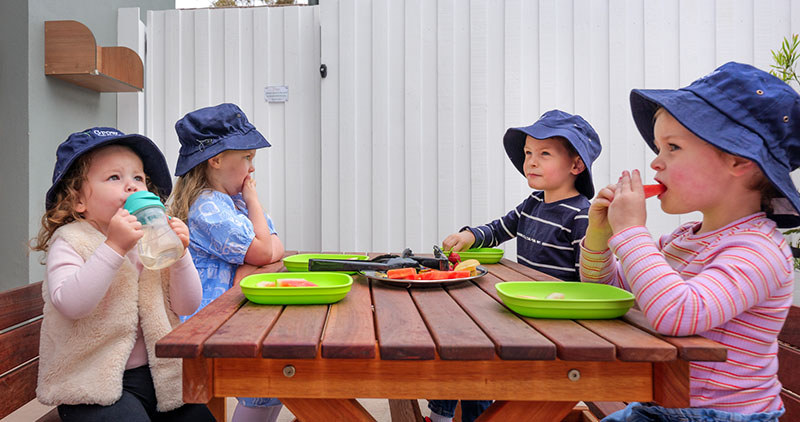
At Grow Early Education it is our priority to work with families to support and encourage healthy eating for children in our care. We provide nutritious and super delicious meals every day for your little one to enjoy and this is included in our daily fee.
Our centre menus, prepared by professionally qualified Chefs are age and development appropriate and include a wide variety of nutritious food of different tastes and textures consistent with the Australian Dietary Guidelines.
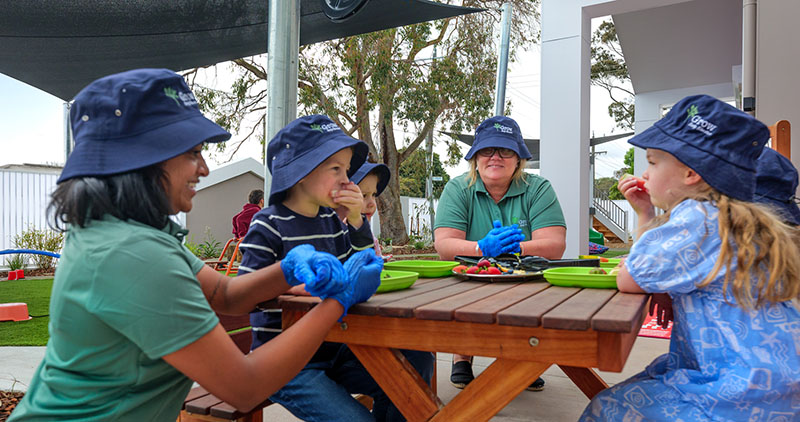
We also use seasonal and local produce and ensure that our menus provide more than half a child’s daily nutrition requirements!
At Grow Early Education, we recognise the important role we have in promoting healthy eating and good food choices to the children in our care. We proactively do this by using the following strategies:
- Engaging children in activities based around creating healthy menus and cooking experiences with our Chefs. This includes providing cooking classes as an extra-curricular activity, which is included as part of our daily fee.
- Promoting mealtime routines and foods from different cultures, to expand children’s experience with different foods.
- Engaging in conversations about nutritious food and making healthy food choices with children during mealtimes.
- Modelling healthy eating practices and leading by example during mealtimes.
- Making mealtimes happy, social and pleasant occasions, where conversations around healthy food choices and nutrition are encouraged.
- Promoting ‘Paddock to Plate’ by growing a range of delicious vegetables, herbs and fruits in our gardens, which the children help to grow and harvest to use in our centre meals. This is part of our gardening lessons as an extra-curricular activity included in our daily fee.

Wondering how you can get involved?
Check out Nutrition Australia’s ‘Try for 5’ website at www.tryfor5.org.au.
‘Try for 5’ is an annual awareness campaign by Nutrition Australia during National Nutrition Week in October that celebrates vegetables and the important role they can play in our health and wellbeing.
If you find it hard to get your little one to eat their vegetables, our hot tip is to head to the ‘Recipes’ section of this website. You are guaranteed to find one that suits your family’s tastebuds!
If you would like to know more about our approach to health and nutrition at our Grow centres, visit the Health & Wellbeing page of our website or call our team on 1300 934 769.
‘Good nutrition is necessary for the active growth and development that takes place in early childhood. Good eating habits and a well-balanced diet support children’s health and wellbeing, and minimise the risk of illness. Eating habits developed in the early years are likely to have a lifelong influence.’
(Get up and Grow: Healthy Eating and Physical activity for Early childhood p 20. 2013 Dept. of Health. Aust. Government)
